Five things to know about the first G20 held in Africa / Photo: © AFP

 Mets President David Stearns Expresses Confidence in Marcus Semien's Motivation

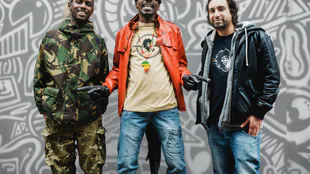 UK’s Longest-Running Reggae Night Jam Jah Celebrates 25 Years

 Olivier Martinez Seeks Increased Child Support from Halle Berry Following Custody Change
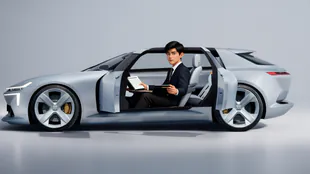 Polestar Unveils Formula 2030 Concept Car to Signal Future Design Direction

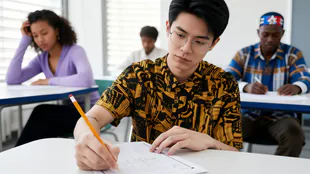 Pennsylvania Measles Cases Reach 1,505 as Bucks County Reports New Infection
Leaders of the world's largest economies meet in Johannesburg on November 22 and 23 for the G20 summit, being held for the first time in Africa.
Here are five things to know about the annual meeting, which is taking place at a time of heightened global instability and tensions between Pretoria and Washington.
- First in Africa -
Founded in 1999, the Group of 20 (G20) leading economies comprises 19 countries and two regional bodies -- the European Union and the African Union (AU).
With its rotating presidency held by South Africa this year, the summit will be in Africa for the first time.
G20 members represent 85 percent of the world's GDP and about two-thirds of its population.
South Africa is the only member state from the continent, although the AU was admitted as a group in 2023.
- 'Solidarity, Equality, Sustainability' -
Pretoria lists its priorities for its G20 presidency as strengthening disaster resilience, debt sustainability for low-income countries, financing a "just energy transition", and harnessing "critical minerals for inclusive growth and sustainable development".
Its theme is "Solidarity, Equality, Sustainability".
South Africa, ranked by the World Bank as the world's most unequal country, commissioned an expert team to analyse global wealth inequality and offer solutions to the summit.
The team, led by Nobel Prize-winning economist Joseph Stiglitz, called for the creation of an intergovernmental panel to tackle the "inequality emergency" that leaves 2.3 billion people hungry worldwide.
- US boycott -
US President Donald Trump said this month no US officials would attend the summit, and called South Africa's presidency a "total disgrace".
Trump has singled out South Africa for harsh treatment on a number of issues since he returned to the White House in January, notably making false claims of a "white genocide", and slapped it with 30 percent tariffs, the highest in sub-Saharan Africa.
A US boycott could undermine South Africa's agenda -- but Pretoria said it was still looking forward to a "successful" summit.
- Johannesburg in the spotlight -
The G20 leaders' meeting will be hosted at the Nasrec Expo Centre, South Africa's largest purpose-built conference venue.
Situated on the edge of the iconic Soweto township and chosen as a symbol of post-apartheid "spatial integration", the venue hosts large-scale events such as the ruling African National Congress annual congress.
The event has brought attention to the plight of the city that was formed in a gold rush in the late 1880s and is now home to around six million people, according to official July estimates.
Home to Africa's richest square mile, Johannesburg is also scarred by crumbling infrastructure, lack of services and chronic mismanagement.
President Cyril Ramaphosa lashed out at the disrepair in March and demanded improvements. The African Development Bank in July approved a $139 million loan for upgrades.
- End of a 'Global South' run -
South Africa will hand the G20 to the United States, marking the end of a cycle of "Global South" presidencies following those of Brazil, India and Indonesia.
Trump has said he planned to radically reduce the platform, which has over the years expanded to include multiple working groups and social issues beyond its original financial scope.
The US president has also questioned whether South Africa should "even be in the Gs any more", raising questions about the G20's future.
J.Sauter--VB