US Supreme Court declines to hear case challenging same-sex marriage / Photo: © AFP/File

 Mets President David Stearns Expresses Confidence in Marcus Semien's Motivation
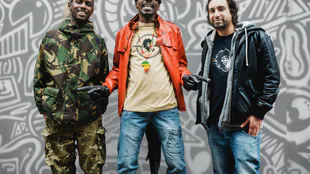 UK’s Longest-Running Reggae Night Jam Jah Celebrates 25 Years

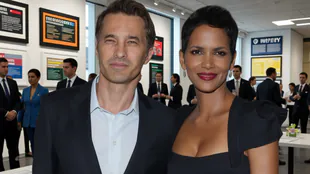 Olivier Martinez Seeks Increased Child Support from Halle Berry Following Custody Change

 Polestar Unveils Formula 2030 Concept Car to Signal Future Design Direction
 Pennsylvania Measles Cases Reach 1,505 as Bucks County Reports New Infection
The US Supreme Court declined on Monday to hear a case challenging the constitutional right to same-sex marriage.
The conservative-dominated court, as is customary, did not provide any explanation for its decision to reject the case.
Kim Davis, a former county clerk in Kentucky who refused to issue marriage licenses to same-sex couples, had asked the top court to overturn its landmark 2015 ruling legalizing gay marriage.
Davis was ordered to pay hundreds of thousands of dollars to a gay couple who were among those she refused a marriage license.
Conservatives have a 6-3 majority on the Supreme Court and Davis's appeal of the award had raised concerns among the LGBTQ community that the court -- which struck down the constitutional right to abortion three years ago -- may agree to revisit the decision legalizing same-sex marriage.
At least four votes would have been needed for the top court to accept the case.
Human Rights Campaign, an LGBTQ advocacy group, welcomed the court's decision not to hear the case brought by Davis, who had cited her Christian religious beliefs for her refusal to issue the marriage licenses.
"Today, love won again," Human Rights Campaign president Kelley Robinson said in a statement.
"When public officials take an oath to serve their communities, that promise extends to everyone —- including LGBTQ+ people," Robinson said.
"The Supreme Court made clear today that refusing to respect the constitutional rights of others does not come without consequences."
L.Maurer--VB