Croatian town pays grandparents for childcare / Photo: © AFP

 'American Doctor' shows brutality of conflict in Gaza

 New Zealand blocks lawsuits against firms over climate harm

 Aussie Rules club suspends five players amid police probe

 No.1 Sabalenka slams Wang to power ahead in Cincinnati
 Israel blames Turkey after strike on Syria air base

 Trump, Carney talk as Canada seeks to hold off new US tariffs

 NASA images reveal crater left by SpaceX rocket's Moon crash

 UN atomic watchdog says found tons of nuclear material at Syria site

 Ecuadoran diplomat enters race to be next UN chief

 US sanctions ICC chief Tomoko Akane of Japan

 US moves to open vast tracts of pristine forests to logging

 US sanctions International Criminal Court chief Tomoko Akane of Japan

 Meta hooked children and misled public: prosecutors

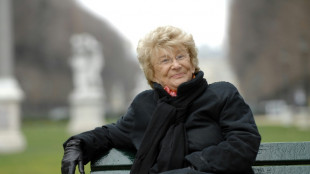 France's first women's rights minister Yvette Roudy dies, aged 97

 French producer Nicolas Altmayer, Dior PR chief Favier die in car crash

 Bezos consortium bought nearly 40 percent of Liverpool: report

 Trump says no Iran talks planned, claims Hormuz 'new US territory'

 Canada seeks to avert new US tariffs as deadline looms

 US primaries test Democrat comeback hopes in Trump stronghold
 Scientists discover how narwhals grow nature's only straight tusk

 DR Congo Ebola outbreak 'far from being under control': WHO chief

 Firefighters in 'decisive' push to encircle Belgian wildfire

 Tribal Partners with ServiceNow to Empower Enterprise Teams to Build and Deploy Apps & Agents

 Fusion Markets Extends Negative Balance Protection to Clients Globally

 India close on victory in first Test against Sri Lanka

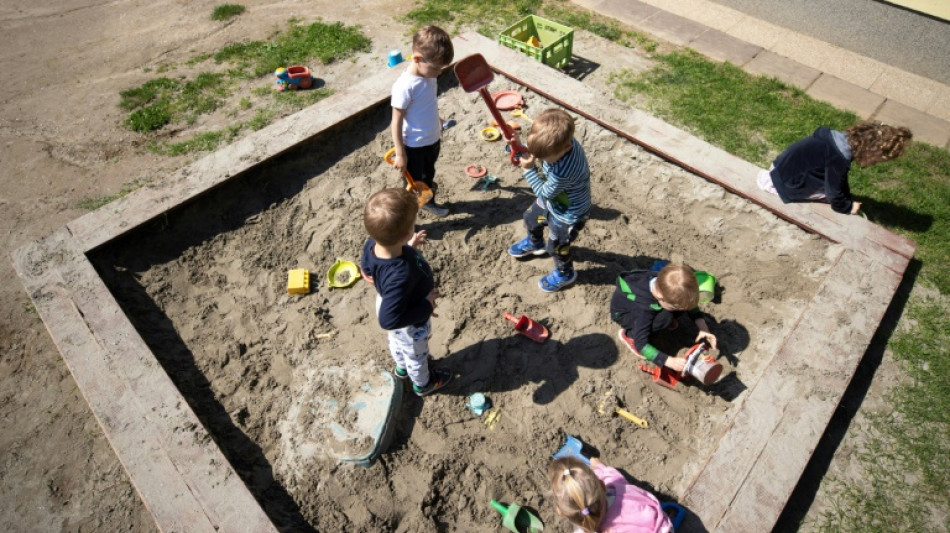
A Croatian town has come up with a novel solution to solve the dilemma of working parents when there are no public childcare spaces available: pay grandparents to do it.
Samobor, near the capital Zagreb, has become the first in the country to run a "Grandmother-Grandfather Service", which pays 360 euros ($400) a month per child.
The scheme allows grandparents to top up their pension, but the authorities also hope it will boost family ties and tackle social isolation as the population ages.
"The benefits are multiple," Samobor's mayor, Petra Skrobot, told AFP.
"Pensions are rather low and for parents it is sometimes difficult to find adequate care for children.
"We wanted to give the parents the possibility to choose the type of care for their children."
In Croatia, most women use 12 months of maternity leave, though state-funded childcare is available from the age of six months until the child enrols at primary school at age six.
But there are not enough places in public kindergartens, which are run by the authorities at the local level, meaning several thousand children miss out every year.
The problem is most acute in major cities, particularly Zagreb, and many working parents face a choice between paying for a private kindergarten or a nanny out of their own pocket -- or asking their own parents to help.
The "Grandmother-Grandfather Service", based on a similar model in Sweden, is open to children aged four and under.
Grandparents apply for the measure, which was introduced in late March, every month. Twenty-eight people have so far applied.
- 'Deepening bonds' -
Dubravka Koletic, 60, was one of them. She praised the move as "very positive for both grandparents and grandchildren".
"We get some additional euros which is good since our pensions are low, and spend a lot of time with our grandchildren," she told AFP as she played with her 18-month-old grandson Viktor in a park.
In Croatia, the average pension amounts to about 550 euros a month.
"Also, we are becoming even closer," Koletic added.
Her daughter, Danijela Koletic, is also happy even though Viktor did not get a place in a public creche.
"This is really great, it's easier to leave such a small child to someone you trust, while Viktor and his grandmother will further deepen their bonds," said the 41-year-old economist, who has two other children.
Samobor, which is home to around 37,000 people, has two kindergartens with several smaller sites, providing care for more than 1,300 children.
But last year, more than 100 children missed out, especially those aged 18 months or younger.
Josipa Milakovic, who runs the Grigor Vitez kindergarten, called the initiative "a helping hand for parents, providing help in care for the youngest ones in a family surrounding".
Skrobot said counterparts from across the country had contacted her to express an interest in the scheme.
European Union member Croatia, which has a population of 3.8 million people, is facing a demographic crisis, with low birth rates, an ageing population, and emigration.
UN projections estimate that by the end of the century, the population will have fallen to just 2.5 million.
Samobor, however, has bucked the trend and its population has increased, notably with young families seeking a more tranquil setting close to Zagreb.
Primary school class numbers were exceptionally filled last year while numbers of students enrolled dropped elsewhere.
F.Stadler--VB