
Fiat 500 electric production pauses for one month / Photo: © AFP/File

 Arizona Superintendent Tom Horne to Leave Office, Plans Law Practice and Charter School

 Japan and Peru Mark 150 Years of Diplomatic Ties Amidst Trade and Investment Talks

 Ian Jackson Scores Game-High 22 Points After Rick Pitino's Prank Suspension

 Khan Welcomes Milburn’s Youth Employment Reforms Amid High NEET Rates

 Shinde Clarifies Torn Photo Controversy Amid Sonia Gandhi Book Protest

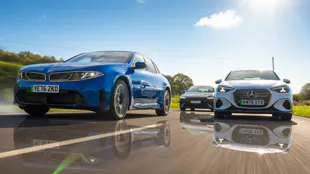 BMW i3 vs Mercedes C-Class Electric vs Hyundai Ioniq 6: The Ultimate Premium EV Showdown

 BING X: 22,624.66 SNC have disappeared at BingX – how safe are tokens on BingX? Will BingX’s MiCAR licence be suspended?

 Urban Company Raises Rs 2,500 Crore via QIP to Expand InstaHelp
Carmaker Stellantis said Thursday it would halt production of the electric version of its emblematic Fiat 500 in Italy due to weak demand, a move that comes as EV sales have slowed in Europe.
Growth in electric vehicles has stalled in many European countries, in part due to expiration of government incentives.
"This measure is necessary to a current lack of orders," said Stellantis in a statement.
The carmaker added it was investing 100 million euros ($110 million) to give the compact model a stronger battery and boost production capacity at the Fiat Mirafiori factory outside Turin.
The current Fiat 500e offers a range of up to 320 kilometres (199 miles).
Europe intends to end sales of new fossil fuel-powered cars in 2035 but uptake of battery-electric vehicles has been hobbled by their high prices and limited range.
Government incentives have helped temporarily boost sales while in the longer term new cheaper and more powerful batteries could expand uptake.
Plans for Europe to manufacture more of its own batteries took a hit earlier this week when Swedish electric car battery manufacturer said it would cut its workforce and scale back operations.
L.Meier--VB
