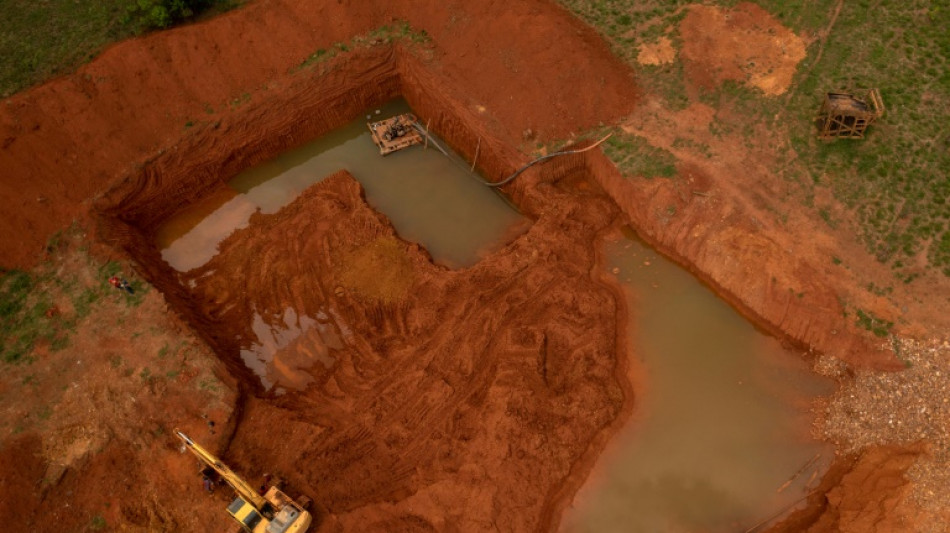
Illegal mining, abuses surge on Brazil indigenous land: report / Photo: ©

 Arizona Superintendent Tom Horne to Leave Office, Plans Law Practice and Charter School

 Japan and Peru Mark 150 Years of Diplomatic Ties Amidst Trade and Investment Talks

 Ian Jackson Scores Game-High 22 Points After Rick Pitino's Prank Suspension

 Khan Welcomes Milburn’s Youth Employment Reforms Amid High NEET Rates

 Shinde Clarifies Torn Photo Controversy Amid Sonia Gandhi Book Protest

 BMW i3 vs Mercedes C-Class Electric vs Hyundai Ioniq 6: The Ultimate Premium EV Showdown

Illegal gold mining surged by a record amount last year on Brazil's biggest indigenous reservation, said a report published Monday, which carried chilling accounts of abuses by miners, including extorting sex from women and girls.
The area scarred by "garimpo," or wildcat gold mining, on the Yanomami reservation in the Amazon rainforest increased by 46 percent in 2021, to 3,272 hectares (8,085 acres), the biggest annual increase since monitoring began in 2018, said the report by the Hutukara Yanomami Association (HAY).
"This is the worst moment of invasion since the reservation was established 30 years ago," said the indigenous-rights group, in a report based on satellite images and interviews with inhabitants.
"In addition to deforesting our lands and destroying our waters, illegal mining for gold and cassiterite (a key tin ingredient) on Yanomami territory has brought an explosion of malaria and other infectious diseases... and a frightening surge of violence against indigenous people."
Illegal mining has soared in the Amazon as gold prices have surged in recent years.
Mining destroyed a record 125 square kilometers (nearly 50 square miles) of the Brazilian Amazon last year, according to official figures.
Illegal miners with links to organized crime are accused of numerous abuses in indigenous communities, including poisoning rivers with the mercury used to separate gold from sediment and sometimes deadly attacks on residents.
The report comes as far-right President Jair Bolsonaro pushes legislation to legalize mining on native lands, drawing protests from indigenous groups and environmentalists.
The Yanomami, one of the Amazon's most iconic indigenous groups, related a harrowing series of abuses.
They included miners giving Yanomami alcohol and drugs, then sexually abusing and raping women and girls.
The Yanomami said miners often demanded sex in exchange for food. One miner reportedly demanded an arranged "marriage" with an adolescent girl in exchange for "merchandise" he never delivered.
"Indigenous women see the miners as a terrible threat," said HAY, condemning "a climate of terror and permanent fear."
The Yanomami reservation spans 9.7 million hectares in northern Brazil, with around 29,000 inhabitants, including the Yanomami, the Ye'kwana and six isolated groups who have almost no contact with the outside world.
Brazilian environmental and indigenous authorities did not immediately respond to requests for comment.
H.Seidel--BTB


