-
 IR-MED and Dice Technologies Announce collaboration to Evaluate and Advance Pressure-Injury Prevention Platform in Japan
-
British PM says to make 'difficult decisions' as inflation rises

-
 Watts, Pitt, Cruz to light up Spain's top film festival
-
TotalEnergies pumps up controversy in France with cut-price gas

-
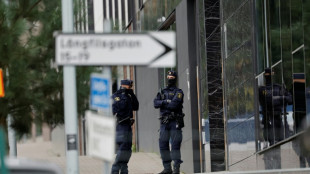 Sweden expels Iran embassy employee over anti-Jewish threats
-
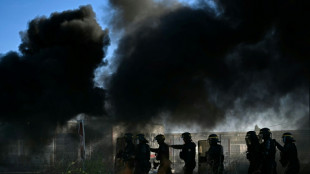
Global fuel price demos: a round-up
-
 Toogood Gold's Table Mountain Sits in the Shadow of a Nevada Gold Rush
-
Leverate Launches MCP for Traders to Connect AI Assistants With Trading Platforms

-
 MEXC July–August Security Report: 38.66M USDT in Risk Funds Intercepted, Futures Insurance Fund Hits 792M USDT
-
MEXC Launches $1M "Discover Your Wall Street DNA" Campaign to Help Traders Find Their Market Fit

-
 'Breathing toxin every day': Indonesians choked by haze feel helpless
-
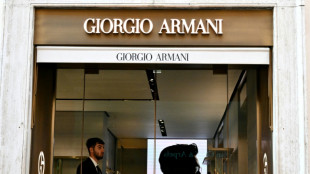
Emporio Armani names Dario Vitale new creative director
-
 Stocks edge higher ahead of US Fed rate call
-
Maresca defends VAR officials after Man City benefit from error

-
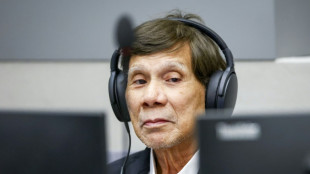 Philippines ex-leader Duterte makes first in-person ICC appearance
-
Courts jails LGBTQ activists as Turkey crackdown widens

-
 2027 Formula One calendar includes Monaco sprint race
-
French court to hear Depardieu's appeal against rape trial order: sources

-
 Palestinians are the real victims, Thunberg tells Ed Sheeran
-
The German state premier hoping to halt far-right surge

-
 Hashim Thaci: From 'George Washington of Kosovo' to Hague convict
-
Lebanon wants Israel security deal as prelude to peace: president to AFP
-
 Amnesty says Iran committed 'crimes against humanity' in crackdown on 2022 protests
-
England's Brook keen to learn from 'hero' Pietersen after stunning ton

-
 EU to ban social media for under 13s, curb access until 15
-
Saudi says Houthis target Mecca, warns of 'red line'

-
 Philippines ex-leader Duterte makes first appearance at ICC
-
Phillippines ex-leader Duterte makes first appearance at ICC
-
 EU chief pitches 'associate member' status for Canada
-
Lebanon wants Israel security deal, Hezbollah disarmament without confrontation: president to AFP
-
 English village votes to 'secede' from UK over asylum centre plan
-
BASIS.pro Expands On-Chain Infrastructure with XDC Network Partnership and Zypher DAO as Auto Earn Goes Live

-
 Wildfires push endangered Sumatran elephants to brink: Indonesian NGO
-
Samson relishing battle with teen star Sooryavanshi for India spot

-
 Stocks head higher as traders prepare for Fed decision
-
Pickle-flavoured tart? AI inspires Japan's convenience stores

-
 English village votes to 'secede' from UK over asylum centre
-
Macau holds first closed-door national security trial

-
 Hong Kong unveils plan to align economy with China's goals
-
Bank of Japan set to raise rates under pressure from inflation, US

-
 Brazilian voters the latest to eye Bukele security model with envy
-
Zverev, Shelton back on court for Davis Cup qualifiers

-
 EU chief hosts Canada's Carney in push to 'deepen' alliance
-
Peace is a 'dangerous' word in Russian city heading to polls
-
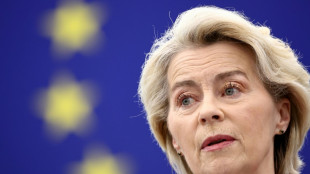 EU chief to unveil social media, gaming curbs for under-15s
-
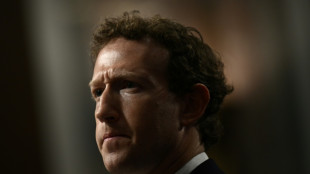
Meta chief pushes back on AI slowdown calls
-
 Saudi says Houthis target Mecca, warn of 'red line'
-
'Resident Evil' film brings video game's ethos to the big screen

-
 Asian stocks stutter as traders prepare for Fed decision
-
Court orders N. Korea pay Seoul $32.5 mn for blowing up office

Centre-left candidate Seguro beats far-right to Portugal's presidency
Centre-left candidate Antonio Jose Seguro scored a convincing win over far-right rival Andre Ventura in Sunday's Portuguese presidential election, in a run-off vote held after days of devastating storms.
With 95 percent of the votes counted, Seguro had won 66 percent of the vote to Ventura's 34 percent. That means the 63-year-old Socialist candidate will, as expected, succeed the conservative Marcelo Rebelo de Sousa as president.
The election campaign had been upended by two weeks of storms and fierce gales that killed at least seven people and caused an estimated four billion euros ($4.7 billion) in damage.
The storm disruption forced around 20 of the worst-hit constituencies to postpone the vote by a week, but it went ahead for nearly all the 11 million eligible voters in Portugal and abroad.
The 43-year-old Ventura had criticised the government's response to fierce weather and sought in vain to have the entire election postponed.
- Storm-hit campaign -
Seguro is a veteran political operator and former Socialist party leader, having begun his career in the party's youth wing.
In 2014 he lost an internal power struggle, and was pushed out as secretary general of the party by future prime minister Antonio Costa, who is now president of the European Council.
Despite being out of the public eye for the past decade, he never renounced his belief in a "modern and moderate left".
He began his presidential campaign without the backing of the Socialist Party's leadership, though most of them came around to support him.
He slowly climbed in the polls, with one on Wednesday crediting him with 67 percent of voting intentions in the run-off election -- a figure reflected in Sunday's exit polls.
His camp had nevertheless been concerned that the recent foul weather and complacency among his supporters might hurt them.
Earlier Sunday, casting his vote in Caldas de Rainha, where he lives, Seguro said: "Come and vote. Make the most of this window of good weather."
Casting her ballot in Lisbon, retired teacher Celeste Caldeira told AFP she thought the authorities had "made the right choice to go ahead with the election".
"We have two candidates. Either we vote for the one who has everyone's interests at heart or I don't know where we're going," the 87-year-old said.
Ventura campaigned on a promise to break with the parties that have governed Portugal for the past 50 years.
Seguro positioned himself as a unifying candidate and warned of the "nightmare" the country could face if his opponent won.
- Far right rising -
Seguro took the most votes in the first round of the election in January, in which 11 candidates stood, with 31.1 percent, ahead of Ventura on 23.5 percent. Since no one won a majority, the top two went through to a second round.
Seguro secured the support of many political figures from the far left, centre and the right.
But Prime Minister Luis Montenegro declined to endorse either candidate in the second round. His minority centre-right government has to rely on support from either the Socialists or the far right to get legislation through parliament.
Ventura is the first extreme-right candidate to make it through to a run-off vote in Portugal.
His Chega (Enough) party, created as recently as 2019, became the leading opposition force at the May 2025 general election.
In Portugal, the head of state has the power to dissolve parliament and call early elections but otherwise has a largely symbolic role.
The new president will take office in early March.
F.Fehr--VB