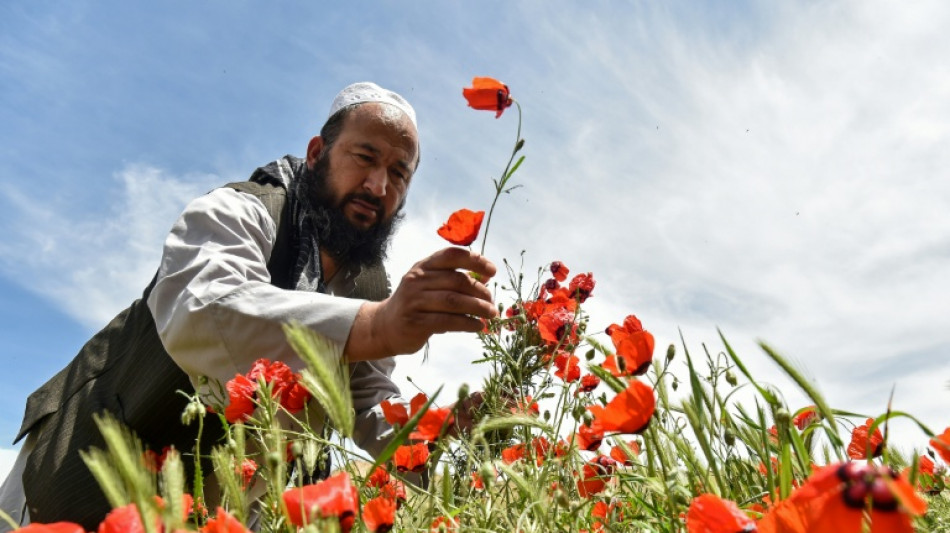
Afghans celebrate spring in bright red poppy fields / Photo: © AFP

 Most Asian stocks track Wall St rally, yen drops after BoJ rate hike
 Russians begin voting in controlled election as war drags on
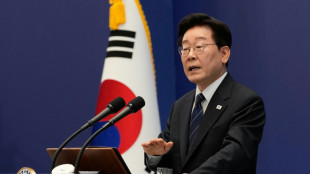 Trump 'clearly' wants dialogue with Pyongyang: South Korean President

 Bank of Japan hikes rates to 31-year high to battle inflation
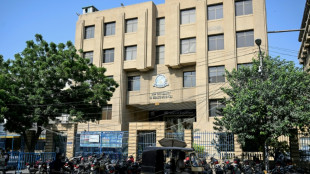
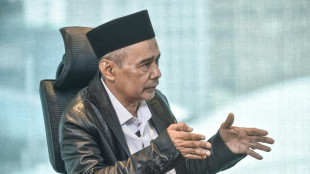 Thailand's Muslim separatists vow to fight to the end

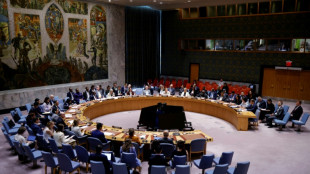 Mideast turmoil, AI set to dominate UN gathering of world leaders
 Australia to detain tourists who overstay visa, minister says

 Championship rivals brace for renewal of bitter feuds
 In Brazil's Amazon, the hunt for oil fuels hopes and fears
 Australian athlete who soiled herself apologises for continuing Hyrox race

 Baby orangutans in India expose 'frightening' scale of trafficking
 Doom Loop? Ed Sheeran struggles against Gaza tide
 Sudanese women hold fast to threatened henna body art

 Man Utd misery puts Carrick under pressure, Spurs feeling the heat
 Prized Mexican relic returns on loan, two centuries on

 Venezuela unblocks some censored news sites

 Samba stars on debut in Man City rout of Norwich
 Oversight Board blasts 'inadequate' Meta safeguards for AI deepfakes

 The Easter Island origins of buzzy Malkovich drama 'Wild Horse Nine'

 Third body recovered after Grand Canyon flash flood

 Harry makes first public appearance since return to UK
 Abhishek hits record T20 ton as India sweep series 3-0
 Abhishek hits record T20 ton as India sweep T20 series 3-0

 English FA calls for Infantino to release World Cup sell-off documents

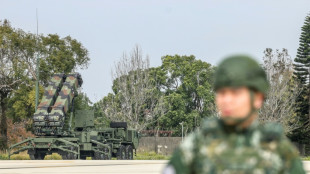 GM delivers first components for US interceptor missiles

In the middle of a field filled with bright red poppies, Afghans frolic among the spring flowers in a tradition deeply rooted in the country's north.
Families flocked to the valleys of Shirin Tagab district, near the border with Turkmenistan, to be among thousands of flowers that appeared after abundant rain.
"There has been a drought for almost 10 years. No flowers or greenery grew," said Ghawsudin, who only uses one name.
"This year has been very good, and God is merciful," said the 79-year-old, who drove for three hours just to see the flowers.
Mohammad Ashraf, a 35-year-old visitor, said he hadn't seen so many poppies for more than a decade.
"Now there are so many red flowers, and you see people come here for picnics," he told AFP.
The landscape in Shirin Tagab is brightened by the common poppy, not the opium poppy that authorities have banned.
- 'Vitality and freshness' -
Many Afghans living in the north used to travel to see the poppies after celebrating Persian New Year, Nowruz, in the city of Mazar-i-Sharif.
The Taliban government, which applies a strict interpretation of Islamic law, has stopped such celebrations each spring.
But the tradition of visiting the poppies, which are widely revered in poems and songs, has endured.
Oriane Zerah, a photographer who published a book about Afghans and flowers, said they are an integral part of daily life.
"As soon as an Afghan has a little space in their garden, they plant a flower. Even in displacement camps, there'll be a flower somewhere. They put them on their pakol, one of their traditional hats, and there are desserts made with flowers," she told AFP.
The poppy has also been associated with wartime in the country, with the flower often placed on the coffins of fighters, according to Afghan writer Taqi Wahidi.
"Dying in the path of the homeland, or in the path of religion and faith, was considered a kind of new resurrection and entry into a new life," he told AFP.
The same flower is widely used in countries, such as Britain, Australia and New Zealand, where people wear artificial poppies to remember those killed in past conflicts.
Nowadays in Afghanistan, however, the poppy "symbolises vitality and freshness", according to Wahidi.
"At the same time that nature is renewed, human beings also want to bring new colours into their lives," he said.
strs-qb-iw/rsc/lga
P.Vogel--VB