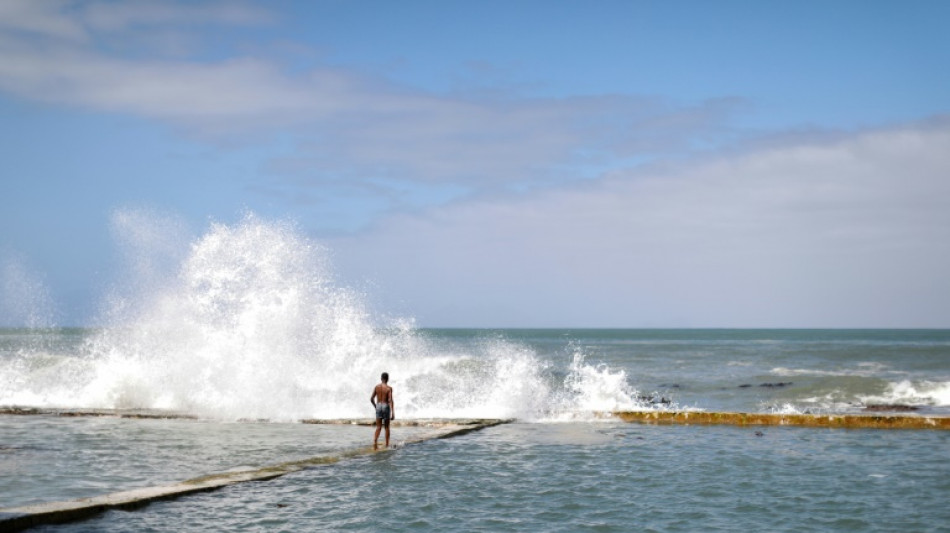
High seas treaty moves closer to reality with first signatures / Photo: © AFP

 Mahomes makes triumphant return as Chiefs rout Broncos 31-10

 Belgium completes outer structure of offshore energy island

 Video documents rescue of injured US airman from Iran

 Asian Games: Bigger than Olympics, young stars and a cruise ship

 Asian Games set for liftoff but will have everyone have a bed?

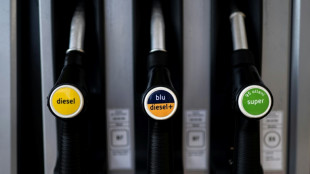 Most markets drop as oil extends gains ahead of expected US rate hike

 Kate Beckinsale challenges assumptions about her beauty routine

 Sri Lanka's famed beach shack battles demolition

 Drone shot down by NATO over Lithuania

 Vserv targets ₹1,000 crore revenue by 2030 through AI expansion

 India prohibits bank fees on UPI payments up to ₹2,000
 Air India CEO summoned over alleged departure immigration lapse

 New Zealand agencies missed red flags in child kidnapping case: inquiry

 Brazil's Amazon defender Raoni has cancer

 HFCL expands planned fibre investment to ₹1,800 crore

 Emmy Awards begin as 'Widow's Bay' and 'The Pitt' vie for top prizes

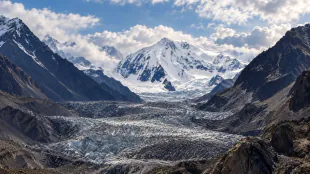 Himalayan glacier study warns of flood and water-supply risks

 Kuwait schools restore classroom routines after remote learning
 US designer Bob Mackie, known for Hollywood glamour, dies at 87

 BIS flags debt and profitability risks in AI-driven market rally

 Qatar Chamber and Maltese envoy consider business forum
 Spanish PM denies being blackmailed by Morocco

 Doha Islamic finance forum names AlRayan firms as co-lead partners

 Leeds thrash Newcastle to go third in the Premier League

 Zelensky says Ukraine ready for 'de-escalatory steps'

Dozens of nations on Wednesday began signing a first-ever treaty on protecting the international high seas, raising hopes that it will come into force soon and protect threatened ecosystems vital to the planet.
"It's an amazing moment to be here and see such multilateral cooperation and so much hope," said actor Sigourney Weaver said in New York as the signatures opened.
The treaty marks change in "the way we view the ocean, from a big garbage dump and a place where we can take stuff, to a place that we take care of, that we steward, we respect," she told AFP.
Around 70 countries are set to sign the treaty on Wednesday on the sidelines of the annual UN General Assembly, including the United States, Chile, Fiji, Norway, and the European Union as a whole.
But each country must still ratify the treaty under its own domestic process. The treaty will come into force 120 days after 60 countries ratify it.
"It is clear that the ocean is in urgent need of protection," said Belgium's deputy prime minister, Vincent van Quickenborne.
Without action, "it's game over," he said.
After 15 years of discussion, the United Nations sealed the first treaty on the high seas in June by consensus, although Russia said it had reservations.
The start of signatures marks "a new chapter" of "establishing meaningful protections" for the oceans, said Nichola Clark of the Ocean Governance Project at The Pew Charitable Trusts.
The high seas are defined as the ocean starting beyond countries' exclusive economic zones, or 200 nautical miles (370 kilometers) off coastlines -- covering nearly half the planet.
Nonetheless, they have long been ignored in discussions on the environment.
A key tool in the treaty will be the ability to create protected marine areas in international waters -- only around one percent of which are now protected by any sort of conservation measures.
The treaty is seen as crucial to an agreement to protect 30 percent of the world's oceans and lands by 2030, as agreed by governments in a separate historic accord on biodiversity reached in Montreal in December.
- 'Race to ratification' -
Mads Christensen, interim executive director of Greenpeace International, voiced hope that the treaty would come into force in 2025, when the next UN oceans conference takes place in France.
"We have less than seven years to protect 30 percent of the oceans. There is no time to waste," he said.
"The race to ratification has begun and we urge countries to be ambitious, ratify the treaty and make sure it enters into force in 2025."
But even if the treaty draws the 60 ratifications needed to come into force, it would still be well below the universal support for action sought by environmental defenders.
Oceans are critical for the health of the whole planet, protecting often microscopic biodiversity that supports half of the oxygen breathed by land life. The oceans are also critical to limiting climate change by helping absorb greenhouse gas emissions.
The treaty, officially known as the treaty on "Biodiversity Beyond National Jurisdiction" or BBNJ, also introduces requirements to carry out environmental impact studies for proposed activities on the high seas.
Such activities, while not listed in the text, would include anything from fishing and maritime transport to more controversial pursuits such as deep-sea mining or even geo-engineering programs aimed at fighting global warming.
L.Stucki--VB