-
 Campaigners urge G7 chiefs to protect children from AI risks
-
McIlroy says PGA Tour's response to LIV will hurt some events

-
 Brazil can't expect easy win over Haiti, says Douglas Santos
-
Like father, like son: Prince George to attend Eton College

-
 US-Iran deal to be signed in Switzerland on Friday: Bern
-
UN chief on visit to gang-plagued Haiti says 'glimmers of hope'

-
 Paris store to part ways with Shein after ownership change
-
Scott to make 100th consecutive major start at US Open

-
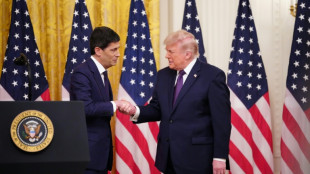 US Federal Reserve kicks off first meeting with Warsh as chair
-
Oil drops below $80 on US-Iran deal
-
 New Zealand pick Nicholls to replace Williamson in second Test
-
Chalobah replaces injured England defender Livramento at World Cup

-
 How can France-UK mission help reopen Strait of Hormuz?
-
India braces for El Nino-linked dry conditions

-
 Root taking England captaincy on 'game by game' basis in Stokes' absence
-
No.1 Scheffler joins Spaun, Howell to start US Open quest
-
 DR Congo Ebola outbreak yet to peak, could last a year: Red Cross
-
Nigeria clamps down on misinformation after school kidnapping

-
 EU to ban plant-based 'steaks' but veggie 'burgers' sizzle on
-
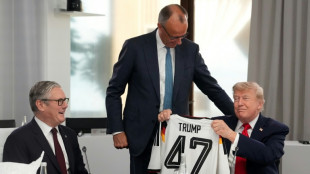
'On same team': Merz gifts Trump German football jersey
-
 Heavyweights Argentina and France start World Cup quests
-
Restoring Kyiv cathedral hit by Russia could take two years: director

-
 Energy firms brace for 'new era' despite Hormuz deal
-
Why is Pakistan involved in a US-Iran peace deal?

-
 European stocks extend gains, oil falls on US-Iran deal
-
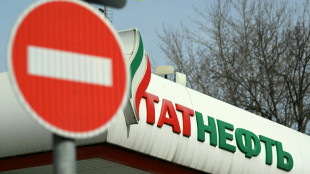
Russian oil producer rations fuel as Ukraine attacks bite
-
 US military to build war-ready stockpile in Australia: documents
-
Trump says Russia 'should make a deal' with Ukraine
-
 Serena Williams to play doubles with sister Venus at Wimbledon
-
Mideast war peace deal boosts German investor morale

-
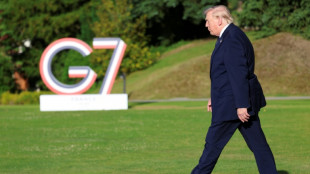 Iran says talks on final US deal to begin this week
-
'Jurgen should know better': Klopp criticised for Nagelsmann jibe

-
 Gaza tailor turns waste fabrics into dresses for girls
-
With feasts and music, Kashmiri weddings keep traditions alive

-
 Ex-Eintracht coach Toppmoeller appointed Lens boss
-
French spies drop AI giant Palantir over US overreliance fears

-
 India blocks Telegram before retest exam to curb cheating
-
Stocks extend rally, oil falls further as peace optimism builds
-
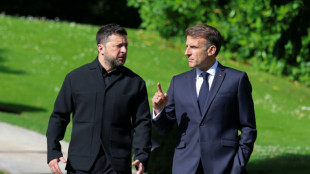 G7 powers in push with Zelensky to end war against Ukraine
-
Tunisia sack coach Lamouchi after one World Cup game

-
 Chess legend Carlsen backs Norway to go far at World Cup
-
Singer Bonnie Tyler out of coma

-
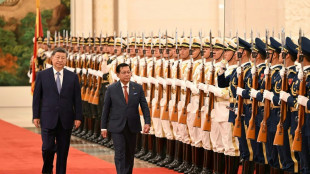 China's Xi says 'firmly supports' Myanmar in safeguarding sovereignty
-
Vast areas of coral reef could resist climate change: study

-
 Iranians up at dawn to cheer their team at World Cup
-
Deadline looms for UniCredit's hostile bid for Commerzbank

-
 Prayer, psalms -- and rap: Kinshasa priest engages youth
-
Iran 'most oppressed team in whole World Cup' - coach

-
 'All the way': Egypt dare to dream after gritty Belgium draw
-
Bank of Japan hikes rate to 31-year high

DOGE Fails to Slash U.S. Spending
The Department of Government Efficiency (DOGE), launched with bold promises to revolutionize federal spending, has fallen dramatically short of its ambitious goals, raising questions about its effectiveness and impact on the U.S. budget. Tasked with streamlining government operations and slashing what its proponents called wasteful expenditure, DOGE was heralded as a transformative force. Yet, recent developments reveal a stark reality: the initiative has failed to deliver meaningful spending cuts, leaving its lofty objectives unfulfilled and critics pointing to mismanagement and inflated claims.
Initially, DOGE set out with a headline-grabbing target of reducing federal spending by $2 trillion, a figure that captured public attention and underscored the initiative’s audacious vision. This goal was later halved to $1 trillion, signaling early challenges in identifying viable cuts without disrupting essential services. More recently, reports indicate that the projected savings have dwindled to a fraction of the original promise, with estimates suggesting only $150 billion in reductions—a mere 7.5% of the initial target. Even this figure has faced scrutiny, with analysts arguing that the actual savings may be significantly lower due to questionable accounting methods and speculative projections.
One of the core issues plaguing DOGE has been its approach to identifying efficiencies. The initiative aimed to eliminate redundant contracts, streamline federal agencies, and reduce bureaucratic overhead. However, the execution has been chaotic, with cuts often appearing indiscriminate rather than strategic. For instance, reductions in consulting contracts, particularly in defense and IT services, were touted as major wins, yet many of these contracts supported critical government functions. The abrupt termination of such agreements has led to operational disruptions, forcing agencies to scramble for alternatives or reinstate services at additional cost.
Moreover, DOGE’s efforts have sparked unintended consequences across federal agencies. Staff reductions, intended to shrink the workforce, have instead triggered inefficiencies, with remaining employees struggling to handle increased workloads. This has been particularly evident in agencies responsible for public services, where understaffing has led to delays and diminished service quality. The ripple effects extend beyond government operations, impacting private-sector contractors who relied on federal partnerships. Layoffs in consulting firms and other industries tied to government contracts have further eroded confidence in DOGE’s strategy.
Critics argue that DOGE’s aggressive push for cuts overlooked the complexity of federal budgeting. Many targeted programs, such as grants for cultural institutions or international development, represent a tiny fraction of the budget but deliver outsized benefits in terms of public goodwill and long-term economic gains. Eliminating these programs has yielded negligible savings while generating significant backlash. Similarly, attempts to overhaul agencies like the Social Security Administration have raised alarms about potential disruptions to benefits, undermining public trust in the initiative’s priorities.
The leadership behind DOGE has also come under fire. High-profile figures driving the initiative were expected to bring private-sector ingenuity to government reform. Instead, their lack of experience in public administration has led to missteps, including overestimating the ease of implementing cuts and underestimating the resistance from entrenched bureaucratic systems. Public perception has soured as well, with polls indicating growing skepticism about DOGE’s ability to deliver on its promises without harming essential services.
Financially, the broader context paints a grim picture. While DOGE aimed to curb deficits, the federal debt continues to climb, projected to exceed $36 trillion in the coming years. Tax cuts passed concurrently with DOGE’s efforts are expected to add trillions more to the deficit, offsetting any savings the initiative might achieve. This contradiction has fueled accusations that DOGE was more about political optics than genuine fiscal responsibility.
Looking ahead, DOGE’s future remains uncertain. With its initial timeline nearing its end, pressure is mounting to demonstrate tangible results. Supporters argue that the initiative has at least sparked a conversation about government waste, laying the groundwork for future reforms. However, without a clear pivot to more targeted, evidence-based strategies, DOGE risks being remembered as a cautionary tale of overambition and underdelivery.
In the end, the Department of Government Efficiency has not lived up to its billing as a budget-cutting juggernaut. Its inability to achieve meaningful spending reductions, coupled with operational missteps and public skepticism, underscores the challenges of reforming a sprawling federal system. As the U.S. grapples with fiscal challenges, the DOGE experiment serves as a reminder that bold promises must be matched by careful execution.

Europe and its "big" goals for clean hydrogen

Putin and the murder of Alexei Navalny (47†)

Measles: UK authorities call for vaccinate children
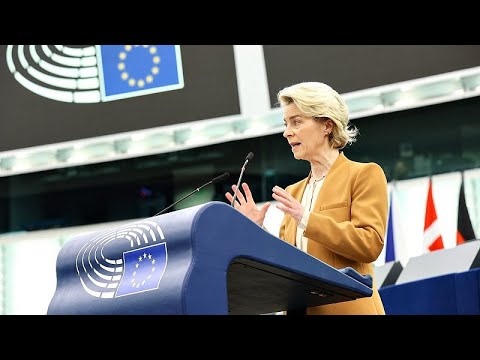
EU: Von der Leyen withdraws controversial pesticide law

EU: Prison for "paedophilia manuals" and child abuse forgeries

EU: 90% cut of all greenhouse gas emissions by 2040?

How is climate change spreading disease?

Business: Is it important to speak multiple languages?

Trump's return could leave Europe 'on its own'

NASA and Lockheed partner present X-59 Quesst

China: Gigantic LED in a shopping centre