-
 Latest 'Scary Movie' aims to cancel 'cancel culture,' creators say
-
Selfie-seeking fan banned for life by NBA after crashing Finals game

-
 Lyles reigns in Rome 100m, Pathirage stuns with javelin
-
German serial killer found guilty of murder of French schoolboy
-
 Trump announces $700 mn support for US coal projects
-
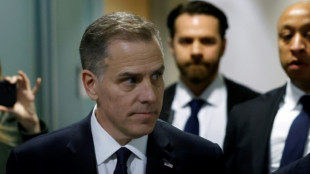
Dissing critics with humor, Hunter Biden finds social media stardom
-
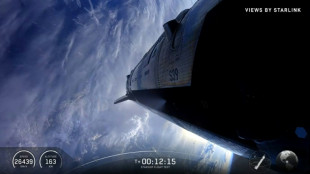 SpaceX IPO: rockets, AI losses and Musk in control
-
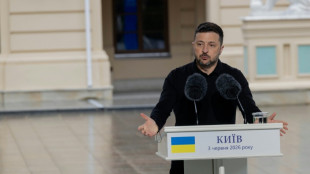
In open letter to Putin, Zelensky calls for meeting and ceasefire
-
 Four-wicket Robinson sparks New Zealand collapse in 1st Test after England slump
-
Pakistan upstage Australia for 2-1 ODI series win

-
 Four-wicket Robinson rocks New Zealand in 1st Test after England collapse
-
Liverpool appoint Spaniard Iraola as new boss

-
 Qualifier Chwalinska sets up Andreeva French Open final clash
-
Colombia court bans pro-Trump candidate from using jersey as symbol

-
 Unfazed Antonelli plans to race with freedom
-
Four-wicket Robinson rocks New Zealand after England collapse in 1st Test

-
 Designer Gabriela Hearst still believes in 'brilliance of humanity' despite AI
-
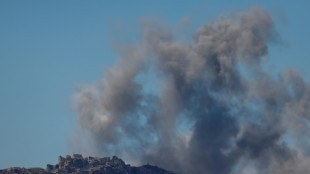
North Israel residents hold little hope for Lebanon truce deal
-
 Qualifier Chwalinska downs Shnaider to reach French Open final
-
Robinson rocks New Zealand after England collapse in first Test

-
 UN nuclear watchdog raises 'proliferation' fears over Iran sites
-
German prosecutors demand life term over Christmas market attack

-
 Hamilton coy on Monaco chances
-
IMF boosting financial support for four African nations over war impact

-
 'In the queue': Busy with Iran, US has little energy for Kyiv
-
Richard Gere says 'ashamed' of US migration policy
-
 Romanian president nominates EU deputy Tomac as PM to end deadlock
-
Leclerc rejected rival offers to stick with Ferrari

-
 What we know about Trump relatives' project in Albania
-
German prosecutors demand life term for Christmas market attack

-
 Oil drops, stocks mostly higher despite AI concerns
-
Shaheen-led Pakistan dismisses Australia for 157 in third ODI

-
 Iran leader says dealt enemies 'decisive blow' in Middle East war
-
'Blood gold': how gangs took control of Venezuela's mines

-
 Andreeva races past Kostyuk to reach French Open final
-
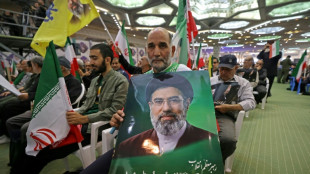
Is Iran's new supreme leader taking up the reins of power?
-
 Hungary drops charges against organisers of banned Pride marches
-
Hezbollah chief rejects truce, demands Israeli withdrawal from Lebanon

-
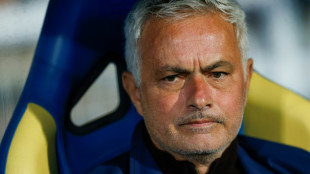 Mourinho takes Turkey to top Europe rights court over sanctions
-
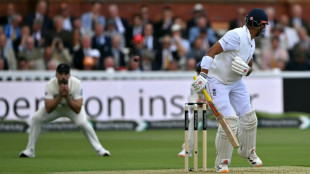
England collapse against New Zealand in first Test
-
 Mboko hails 'Queen' Serena ahead of tennis legend's return
-
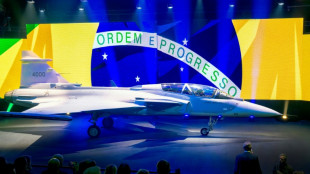
Brazil may purchase 20 more fighter jets from Sweden
-
 UK PM says Elon Musk 'trying to whip up division' over student's murder
-
Iraola jets in to Liverpool to finalise Anfield deal

-
 Guardiola quit '100 times' before leaving, says Man City chairman
-
Martinez Novell replaces Hjulmand as Leverkusen coach

-
 Napoli confirm Conte exit with Allegri tipped as new coach
-
MEXC Tops New Contract Listings in CoinGecko's 2026 State of Crypto Perpetuals Report

-
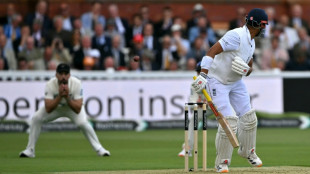 New Zealand dismiss England debutant Gay before rain halts 150th Lord's Test
-
Vast astronaut mission kicks off commercial race to replace ISS
Ishiba's Plan to Change Power in Asia
Is Japan Preparing for War? Ishiba's Vision to Redefine Power in Asia
In a world where geopolitical tensions are intensifying, Japan finds itself at a crossroads. At the centre of this discussion is Shigeru Ishiba, a prominent Japanese politician and former defence minister, whose bold proposals to reshape Japan's security policies are sparking widespread debate. Is Japan merely safeguarding its sovereignty, or is it actively preparing for conflict?
A Paradigm Shift in Japanese Defence
Since the end of World War II, Japan has adhered strictly to its pacifist constitution, particularly Article 9, which renounces the use of war as a means of settling international disputes. However, as global power dynamics evolve and regional threats grow, Ishiba and other leaders argue that Japan must modernise its approach to defence.
Ishiba has proposed a significant expansion of Japan’s military capabilities, including increased defence spending, the development of advanced technologies such as missile defence systems, and a shift towards a proactive deterrence strategy. These measures, he asserts, are necessary to counter the rising influence of China and North Korea's nuclear threat.
The Strategic Context: Asia in Flux
Japan’s strategic positioning in Asia has long been a delicate balancing act. With China's growing assertiveness in the South China Sea, Taiwan Strait, and East China Sea, Ishiba’s call for a stronger Japanese military aims to counterbalance Beijing’s influence. North Korea’s missile tests and unpredictable behaviour further exacerbate the urgency for a robust Japanese defence policy.
Ishiba’s proposals align with the broader trend of Indo-Pacific nations strengthening security alliances, including Japan's growing collaboration with the United States, Australia, and India under the Quadrilateral Security Dialogue (Quad). These partnerships are seen as essential to maintaining regional stability and ensuring a free and open Indo-Pacific.
Domestic and International Reactions
Domestically, Ishiba’s vision has faced both support and opposition. Proponents argue that his policies are pragmatic and essential for Japan’s survival in an increasingly volatile region. Critics, however, worry that such moves could escalate tensions and provoke adversaries. The debate also revives questions about the reinterpretation of Japan’s pacifist constitution and its implications for national identity.
On the international stage, Ishiba’s stance has drawn mixed reactions. Allies like the United States welcome Japan’s increased commitment to regional security, while China and North Korea view these developments as provocative and destabilising.
Preparing for Conflict or Preserving Peace?
Ishiba has repeatedly emphasised that his aim is not to prepare for war but to prevent it. He argues that a strong deterrent capability is the best way to avoid conflict and maintain peace in the region. However, critics contend that expanding Japan's military footprint could trigger an arms race and inadvertently increase the likelihood of confrontation.
The Road Ahead
As Japan navigates these turbulent waters, Ishiba’s vision represents a pivotal moment in the country’s post-war history. Whether his proposals will redefine Japan’s role in Asia or exacerbate regional tensions remains to be seen. What is certain, however, is that Japan’s future decisions will have profound implications not only for its own security but for the broader balance of power in Asia.
As the world watches, the question remains: Is Japan preparing for war, or is it merely adapting to a new era of uncertainty? In answering this question, the nation must grapple with the delicate balance between safeguarding its future and upholding the ideals that have defined its modern identity.

Next Chancellor of Germany and Trump

Russia and the terrorism against Ukraine

US: Trump begins mass deportations!

Truth: The end of the ‘Roman Empire’

Stargate project, Trump and the AI war...

Europe, Germany and the end of the euro?
Germany: Migration reform package

Trump needs to avoid debt Collapse
The Roman Empire and its downfall?

Argentina, Milei and the US dollar?
Is this Europe's plan for China?