-
 Campaigners urge G7 chiefs to protect children from AI risks
-
McIlroy says PGA Tour's response to LIV will hurt some events

-
 Brazil can't expect easy win over Haiti, says Douglas Santos
-
Like father, like son: Prince George to attend Eton College

-
 US-Iran deal to be signed in Switzerland on Friday: Bern
-
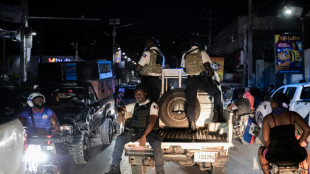
UN chief on visit to gang-plagued Haiti says 'glimmers of hope'
-
 Paris store to part ways with Shein after ownership change
-
Scott to make 100th consecutive major start at US Open

-
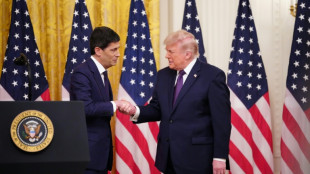 US Federal Reserve kicks off first meeting with Warsh as chair
-
Oil drops below $80 on US-Iran deal
-
 New Zealand pick Nicholls to replace Williamson in second Test
-
Chalobah replaces injured England defender Livramento at World Cup

-
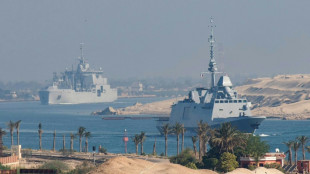 How can France-UK mission help reopen Strait of Hormuz?
-
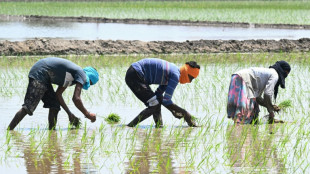
India braces for El Nino-linked dry conditions
-
 Root taking England captaincy on 'game by game' basis in Stokes' absence
-
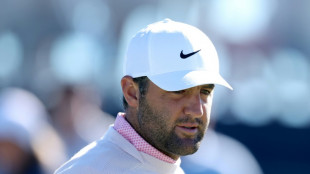
No.1 Scheffler joins Spaun, Howell to start US Open quest
-
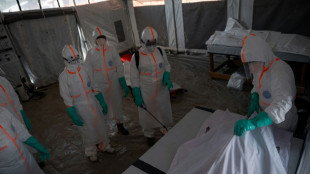 DR Congo Ebola outbreak yet to peak, could last a year: Red Cross
-
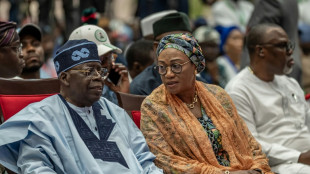
Nigeria clamps down on misinformation after school kidnapping
-
 EU to ban plant-based 'steaks' but veggie 'burgers' sizzle on
-
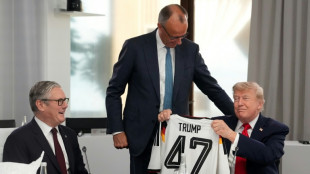
'On same team': Merz gifts Trump German football jersey
-
 Heavyweights Argentina and France start World Cup quests
-
Restoring Kyiv cathedral hit by Russia could take two years: director

-
 Energy firms brace for 'new era' despite Hormuz deal
-
Why is Pakistan involved in a US-Iran peace deal?

-
 European stocks extend gains, oil falls on US-Iran deal
-
Russian oil producer rations fuel as Ukraine attacks bite

-
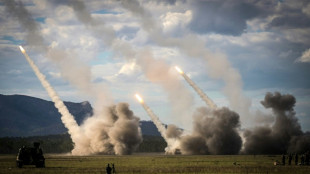 US military to build war-ready stockpile in Australia: documents
-
Trump says Russia 'should make a deal' with Ukraine
-
 Serena Williams to play doubles with sister Venus at Wimbledon
-
Mideast war peace deal boosts German investor morale
-
 Iran says talks on final US deal to begin this week
-
'Jurgen should know better': Klopp criticised for Nagelsmann jibe

-
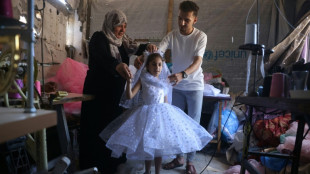 Gaza tailor turns waste fabrics into dresses for girls
-
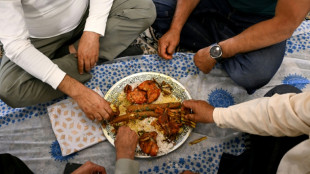
With feasts and music, Kashmiri weddings keep traditions alive
-
 Ex-Eintracht coach Toppmoeller appointed Lens boss
-
French spies drop AI giant Palantir over US overreliance fears

-
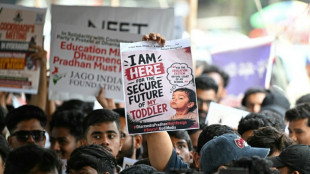 India blocks Telegram before retest exam to curb cheating
-
Stocks extend rally, oil falls further as peace optimism builds
-
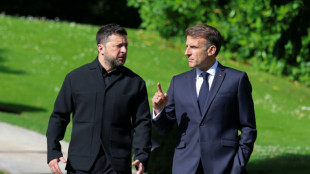 G7 powers in push with Zelensky to end war against Ukraine
-
Tunisia sack coach Lamouchi after one World Cup game
-
 Chess legend Carlsen backs Norway to go far at World Cup
-
Singer Bonnie Tyler out of coma

-
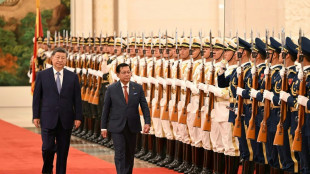 China's Xi says 'firmly supports' Myanmar in safeguarding sovereignty
-
Vast areas of coral reef could resist climate change: study

-
 Iranians up at dawn to cheer their team at World Cup
-
Deadline looms for UniCredit's hostile bid for Commerzbank

-
 Prayer, psalms -- and rap: Kinshasa priest engages youth
-
Iran 'most oppressed team in whole World Cup' - coach

-
 'All the way': Egypt dare to dream after gritty Belgium draw
-
Bank of Japan hikes rate to 31-year high
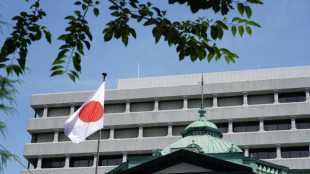
Ishiba's Plan to Change Power in Asia
Is Japan Preparing for War? Ishiba's Vision to Redefine Power in Asia
In a world where geopolitical tensions are intensifying, Japan finds itself at a crossroads. At the centre of this discussion is Shigeru Ishiba, a prominent Japanese politician and former defence minister, whose bold proposals to reshape Japan's security policies are sparking widespread debate. Is Japan merely safeguarding its sovereignty, or is it actively preparing for conflict?
A Paradigm Shift in Japanese Defence
Since the end of World War II, Japan has adhered strictly to its pacifist constitution, particularly Article 9, which renounces the use of war as a means of settling international disputes. However, as global power dynamics evolve and regional threats grow, Ishiba and other leaders argue that Japan must modernise its approach to defence.
Ishiba has proposed a significant expansion of Japan’s military capabilities, including increased defence spending, the development of advanced technologies such as missile defence systems, and a shift towards a proactive deterrence strategy. These measures, he asserts, are necessary to counter the rising influence of China and North Korea's nuclear threat.
The Strategic Context: Asia in Flux
Japan’s strategic positioning in Asia has long been a delicate balancing act. With China's growing assertiveness in the South China Sea, Taiwan Strait, and East China Sea, Ishiba’s call for a stronger Japanese military aims to counterbalance Beijing’s influence. North Korea’s missile tests and unpredictable behaviour further exacerbate the urgency for a robust Japanese defence policy.
Ishiba’s proposals align with the broader trend of Indo-Pacific nations strengthening security alliances, including Japan's growing collaboration with the United States, Australia, and India under the Quadrilateral Security Dialogue (Quad). These partnerships are seen as essential to maintaining regional stability and ensuring a free and open Indo-Pacific.
Domestic and International Reactions
Domestically, Ishiba’s vision has faced both support and opposition. Proponents argue that his policies are pragmatic and essential for Japan’s survival in an increasingly volatile region. Critics, however, worry that such moves could escalate tensions and provoke adversaries. The debate also revives questions about the reinterpretation of Japan’s pacifist constitution and its implications for national identity.
On the international stage, Ishiba’s stance has drawn mixed reactions. Allies like the United States welcome Japan’s increased commitment to regional security, while China and North Korea view these developments as provocative and destabilising.
Preparing for Conflict or Preserving Peace?
Ishiba has repeatedly emphasised that his aim is not to prepare for war but to prevent it. He argues that a strong deterrent capability is the best way to avoid conflict and maintain peace in the region. However, critics contend that expanding Japan's military footprint could trigger an arms race and inadvertently increase the likelihood of confrontation.
The Road Ahead
As Japan navigates these turbulent waters, Ishiba’s vision represents a pivotal moment in the country’s post-war history. Whether his proposals will redefine Japan’s role in Asia or exacerbate regional tensions remains to be seen. What is certain, however, is that Japan’s future decisions will have profound implications not only for its own security but for the broader balance of power in Asia.
As the world watches, the question remains: Is Japan preparing for war, or is it merely adapting to a new era of uncertainty? In answering this question, the nation must grapple with the delicate balance between safeguarding its future and upholding the ideals that have defined its modern identity.
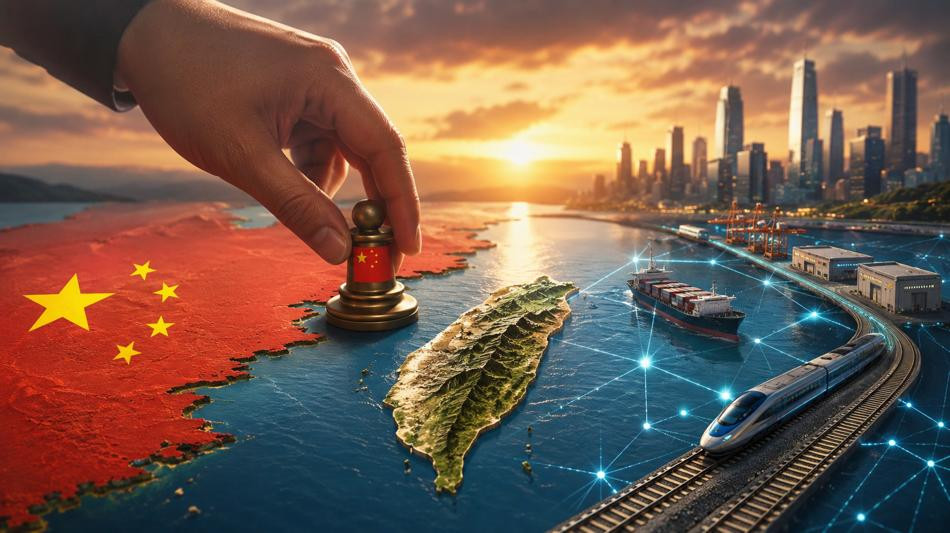
Beijing's new Taiwan playbook

Unexpected economic twist

AI and the Future of Wealth

Fentanyl trade unravels
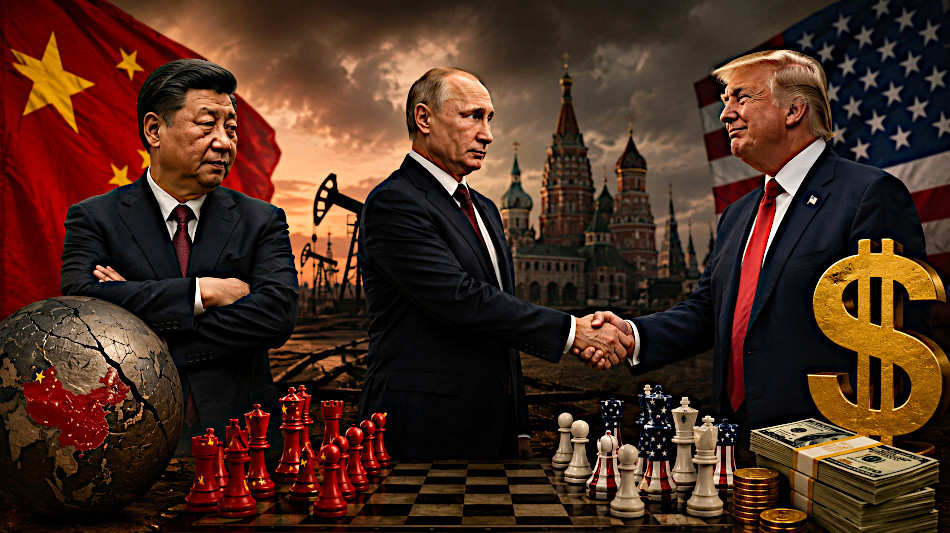
Russia’s dollar pivot
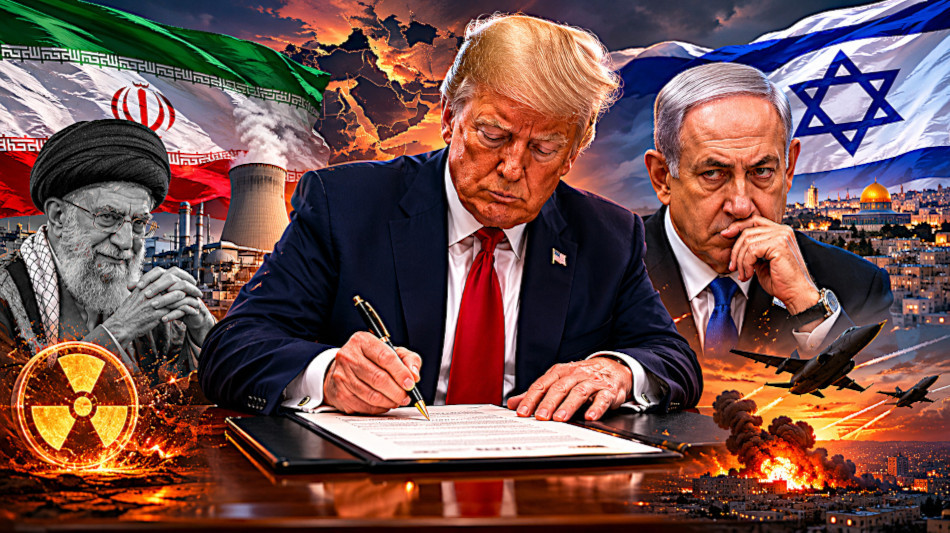
Israel riled by US-Iran pact
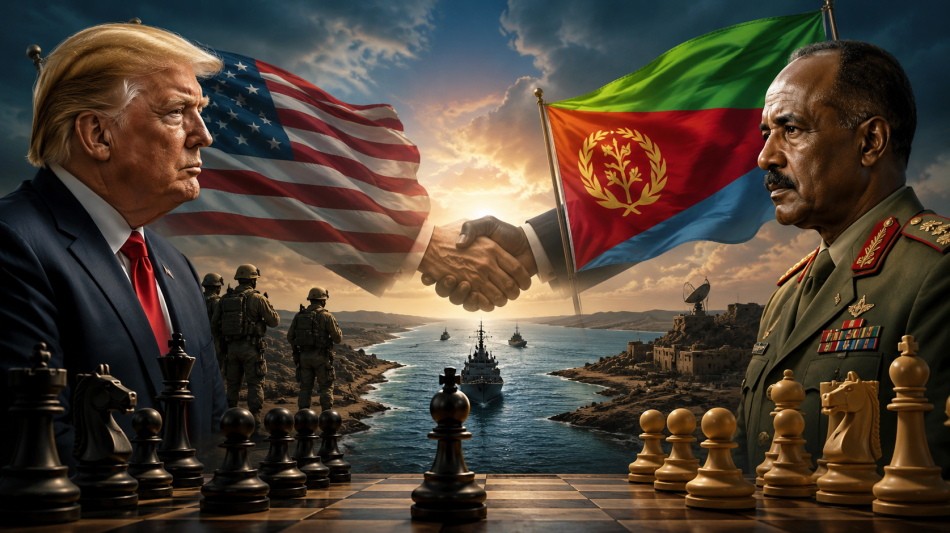
Red sea gambit with Eritrea

US China race hits 2027

Brussels misreads Magyar

Scandic Coin, (SNC) and Trust

Global finance in few hands