
-
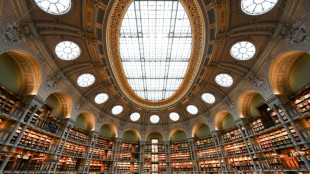 Six Georgians jailed for theft of rare Russian books in France
-
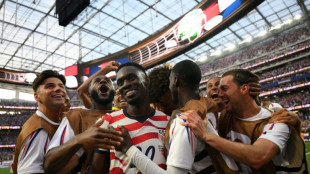
Net twice and chill: US star Balogun relaxed after brace
-
 US police probe theft of England training equipment
-
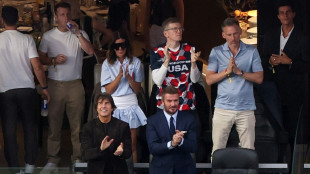
An Astronaut, movie stars and a knight: US brings glitz for WC opener
-
 World Cup underway in United States and the winner is Freddy
-
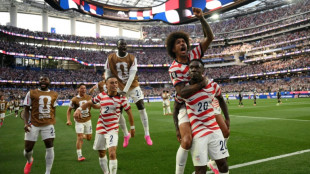
US beat Paraguay 4-1 in dream start for World Cup co-hosts
-
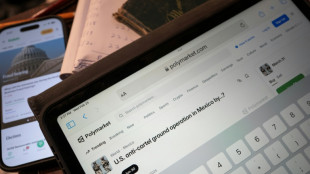 US betting firm sponsorships spark election integrity fears
-
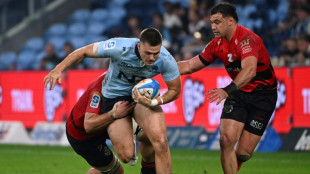
NSW Waratahs centre O'Donnell suspended for doping violation
-
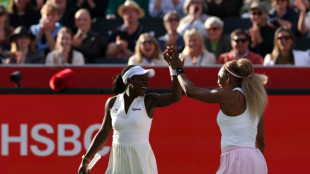 Mboko to miss Wimbledon, hopes to play doubles with Serena again
-
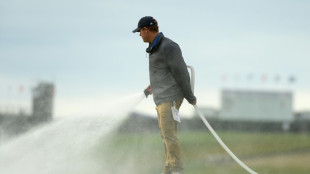
USGA aims to keep control as US Open returns to Shinnecock
-
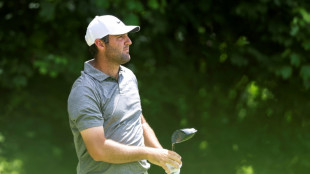 Scheffler seeks career Slam with US Open win at Shinnecock
-
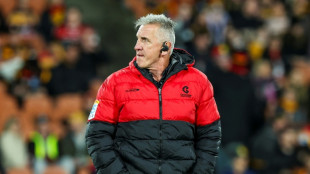
Crusaders coach Penney admits 'magnificent' Chiefs too good
-
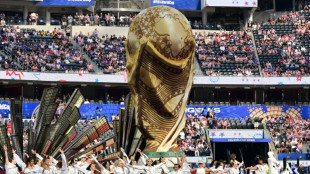 World Cup begins in USA with Hollywood-style opening ceremony
-
'Narco-terrorist' the new 'communist,' says Guatemalan Nobel laureate

-
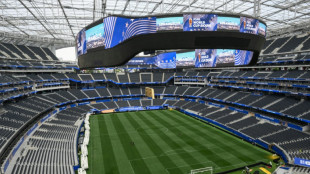 World Cup venues scrub branding, get new names for tournament
-
Newly minted trillionaire Musk under fire over Belfast riots
-
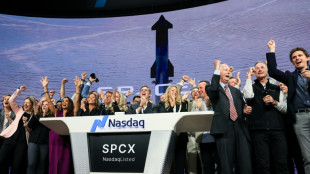 SpaceX: Five key moments, from first launch to Starship megarocket
-
US clears Paramount's $111 bn Warner Bros. takeover

-
 US deportation flight carrying Iranians lands in C.African Republic
-
Ohtani held out of Dodgers lineup with sore knee
-
 Ancelotti warns Brazil can compete with anyone at World Cup
-
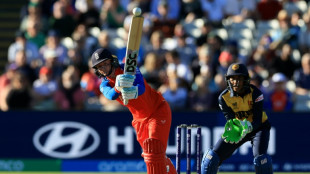
Wyatt-Hodge inspires England rout of Sri Lanka in Women's T20 World Cup opener
-
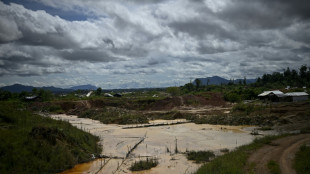 Venezuelan mining towns devoid of life after army operation
-
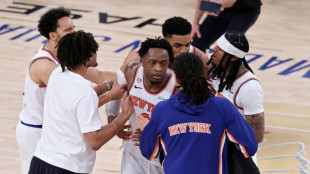
'Really cool' - Anunoby's low-key response to tip-in frenzy
-
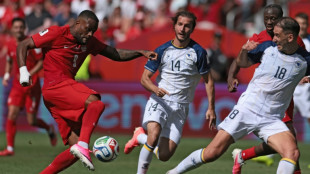 Canada draw with Bosnia-Herzegovina to earn first ever World Cup point
-
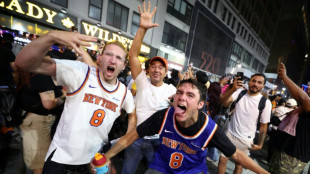
What World Cup? New York gripped by Knicks frenzy
-
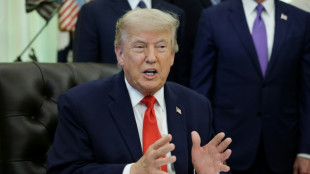 Iran and US say deal closer than ever
-
David Beckham gets Hollywood star as World Cup begins in US

-
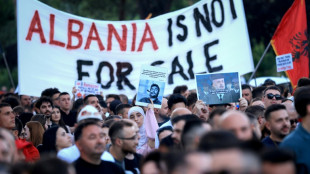 Albanian PM rallies support as Trump-linked resort row festers
-
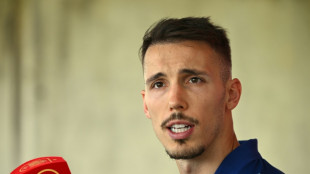
Spain are World Cup 'favourites' despite knockout woes, says Grimaldo
-
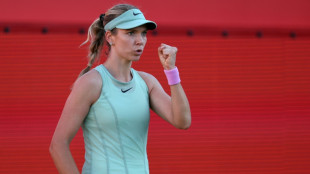 Boulter stuns Rybakina to reach Queen's Club semi-finals
-
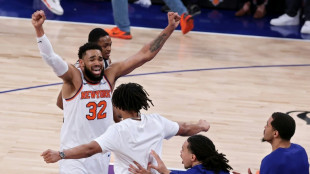
After historic rally, Knicks aim to subdue Spurs early
-
 When Hockney told AFP about his lockdown 'blessing' in France
-
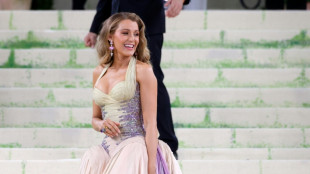
In partial victory, Blake Lively wins legal fees from Justin Baldoni
-
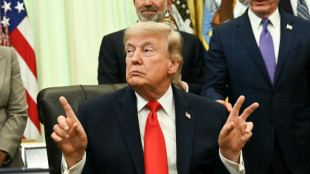 Trump calls US World Cup team before first match
-
EU says to resume membership talks with Ukraine on Monday
-
 'We're over it': Wemby says Spurs focused on game five after historic loss
-
Bruce Springsteen music center set to open in New Jersey

-
 Cuba opens more sectors to private business
-
McTominay 'ready to go' for Scotland World Cup opener
-
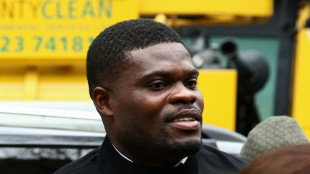 Ghana World Cup player Partey, facing rape trial in UK, denied Canada visa: FIFA
-
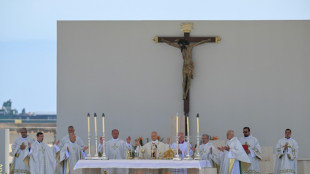
Plane trouble delays pope's return after migrant-focused Spain visit
-
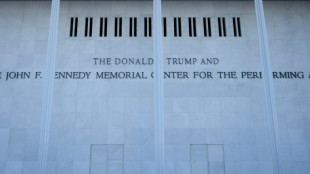 Judge rejects bid to halt removal of Trump name from Kennedy Center
-
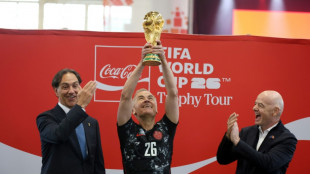
Canada's World Cup moment arrives at home
-
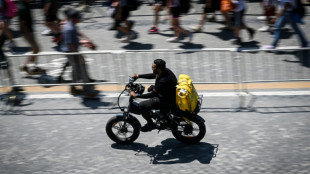 World's first gig economy treaty adopted at the ILO
-
Ireland-Israel football fixture to be played at neutral venue

-
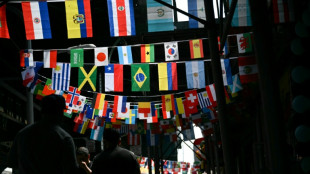 World Cup struggles to ignite US excitement
-
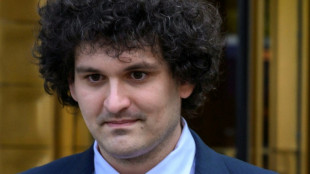
US appellate court upholds Sam Bankman-Fried criminal sentence
-
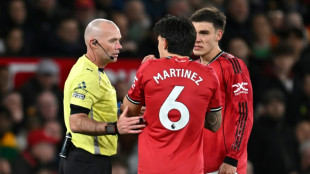 Premier League changes hair-pulling punishment for new season
-
World amateur No.1 golfer Koivun to turn pro after US Open
Israel's Covert Nuclear Rise
Israel’s emergence as a nuclear power is one of the most secretive and controversial developments in modern geopolitics. While the country has never officially confirmed or denied possessing nuclear weapons, it is widely believed to have developed a sophisticated nuclear arsenal. This article explores the key milestones and strategies that enabled Israel to become a nuclear power while maintaining a policy of deliberate ambiguity.
The Early Beginnings
The origins of Israel’s nuclear program trace back to the 1950s, shortly after the nation’s establishment in 1948. In 1952, the Israel Atomic Energy Commission was created, led by Ernst David Bergmann, a scientist who saw nuclear weapons as essential for Israel’s survival amid regional threats. The young nation, surrounded by hostile neighbors, sought a deterrent that could ensure its security.
A critical step occurred in the late 1950s when Israel began constructing the Dimona nuclear facility in the Negev desert. With significant assistance from France, which provided technology and expertise, the facility was built under a veil of secrecy. Officially labeled a "textile factory," Dimona became the heart of Israel’s nuclear ambitions. By the mid-1960s, it is believed that Israel had produced its first nuclear weapon, though no official records confirm this timeline.
The Policy of Nuclear Ambiguity
Central to Israel’s strategy is its policy of "nuclear ambiguity." This approach avoids explicit confirmation or denial of nuclear weapons possession, allowing Israel to maintain deterrence without triggering an arms race or international backlash. Israeli leaders have adhered to this stance for decades, rarely commenting on their capabilities. However, in 2006, then-Prime Minister Ehud Olmert briefly listed Israel among nuclear-armed states in an interview, a rare slip that was swiftly minimized.
The Whistleblower’s Revelation
The secrecy surrounding Dimona was shattered in 1986 when Mordechai Vanunu, a former technician at the facility, leaked photographs and details to the public. His revelations suggested that Israel possessed between 100 and 200 nuclear warheads, confirming suspicions about its capabilities. Vanunu’s actions led to his abduction by Israeli intelligence and an 18-year prison sentence, underscoring the lengths Israel would go to protect its nuclear program.
Advanced Delivery Systems
Israel’s nuclear arsenal is thought to be supported by a range of delivery systems. The Jericho series of ballistic missiles, initially developed with French assistance, can reportedly carry nuclear warheads over thousands of kilometers. Additionally, Israel’s fleet of Dolphin-class submarines, acquired from Germany, is rumored to be equipped with nuclear-tipped cruise missiles, offering a second-strike capability that enhances its deterrence.
International Stance and Regional Tensions
Israel has never joined the Nuclear Non-Proliferation Treaty (NPT), a decision that has drawn criticism, especially from regional rivals like Iran. Israeli officials maintain that they will not be the first to introduce nuclear weapons into the Middle East, a statement crafted to preserve ambiguity. In recent years, tensions with Iran over its nuclear program have spotlighted Israel’s own capabilities, with Israeli leaders advocating strong measures to prevent Tehran from achieving similar status.
A Lasting Legacy
Israel’s journey to nuclear power relied on strategic partnerships, covert operations, and a steadfast commitment to secrecy. While the full scope of its arsenal remains undisclosed, its status as a nuclear power is rarely questioned today. This reality continues to influence Middle Eastern geopolitics, shaping both regional dynamics and global efforts to curb nuclear proliferation.
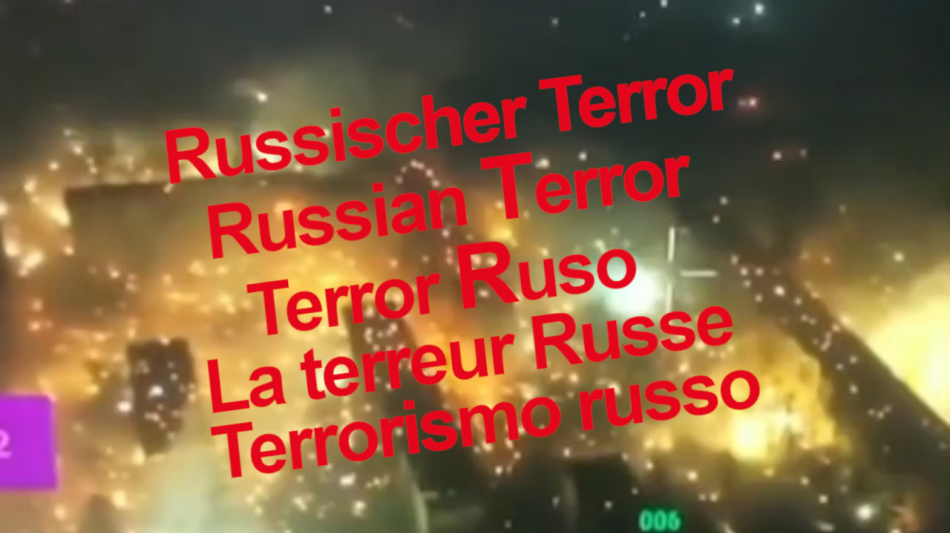
Russia in Ukraine: murder, torture, looting, rape!
That's how terror Russians end up in Ukraine!
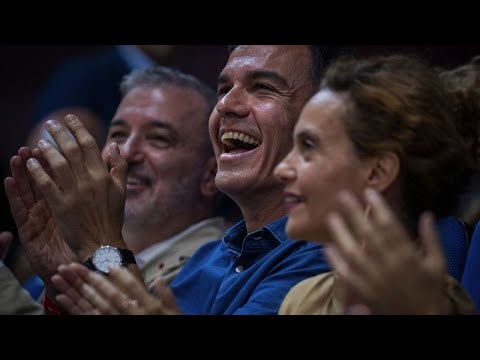
Spain: Sánchez's aim of a left coalition will fail!
Russland, der Terror-Staat / Russia, the terrorist state!
Ukraine in the fight against the russian terror State
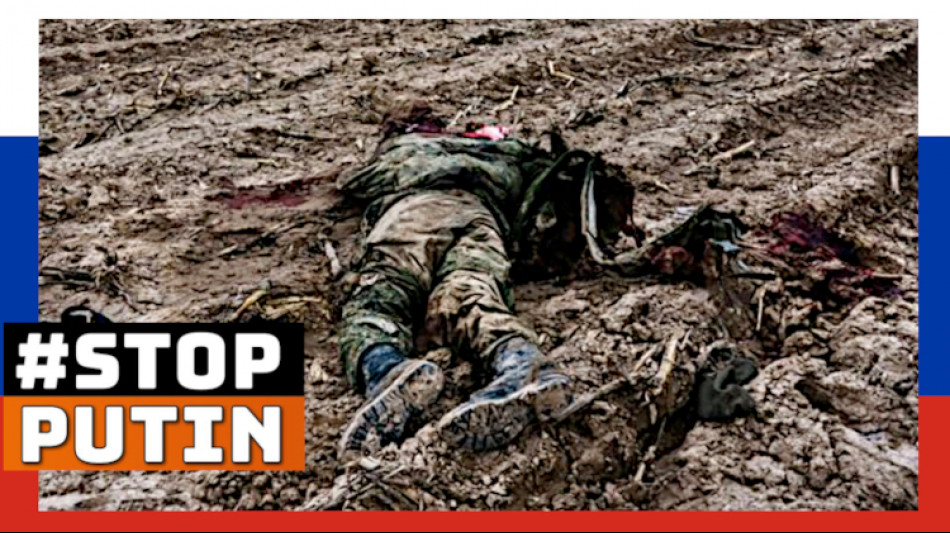
The Russian criminals will never own Ukraine!
ATTENTION, ATENCIÓN, УВАГА, ВНИМАНИЕ, 注意事项, DİKKAT, 주의, ATENÇÃO
UNESCO accepts the US back into the fold after a five-year absence
This is how the Russian scum in Ukraine ends!

Video, ビデオ, 视频, Відео, 비디오, Wideo, 動画, Βίντεο, Видео!!
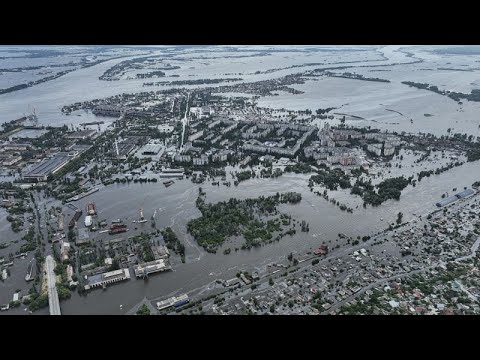
Ukraine's struggle: Surviving after the flood



