-
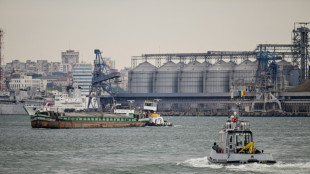
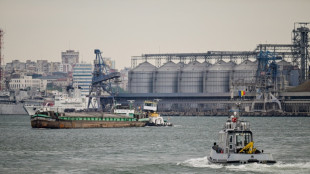 Ukrainian sea drone explodes in Romanian port, no casualties
-
AI fever spreads, but are markets masking economic cracks?
-
 MEXC "Pizza Day: Urban Run" Draws Over 82,000 Participants and Rewards Nearly 75,000 Users
-
MEXC Lists YOM (YOM) with 200,000 YOM and 40,000 USDT in Airdrop+ Rewards

-
 Blockbuster US job gains ruffle Wall Street
-
Strong US job growth beats expectations in May, firming recent gains

-
 Nvidia's Huang arrives in South Korea with 'surprises', bets on robotics
-
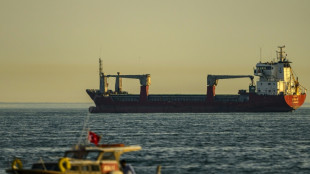
'No hope': Indian crew stranded off Turkey for months
-
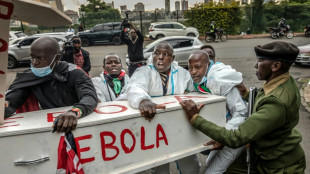 Kenyans fearful and furious over US Ebola centre
-
From Siberia to French Open final, Andreeva living 'dream'

-
 Chwalinska, the 'tennis freak' making Roland Garros history
-
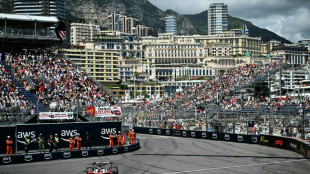
Leclerc beats Hamilton as Ferrari shine in Monaco F1 practice
-
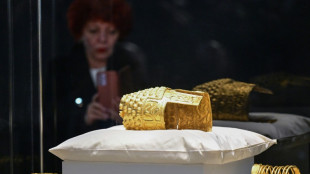 Dutch court jails trio over Romanian golden helmet theft
-
Lawsuit seeks to stop US 'third-country' deportations to Eq.Guinea
-
 Man City chairman will 'say everything' after verdict on financial charges
-
Celtic fans oppose potential Keane move over Israel stay

-
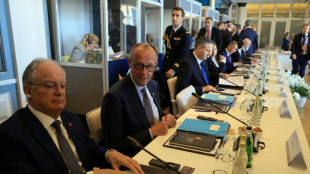 Balkan integration in the spotlight at EU summit
-
Feared global hunger crisis 'coming to pass' as Mideast war lingers: UN
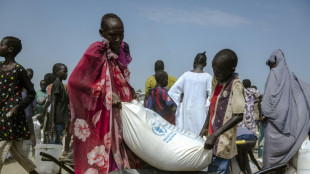
-
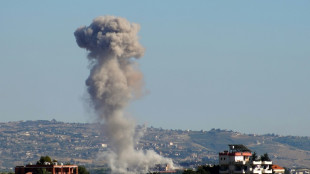
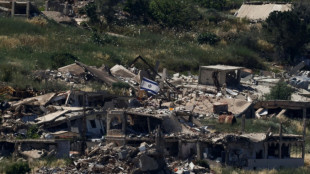 Israel strikes south Lebanon after warning to several areas
-
Macron blasts 'unacceptable' lapses over girl's suspected murder
-
 Chwalinska bidding to take final step at French Open against Andreeva
-
Sea drone explodes in the Romanian port of Constanta, no casualties
-
 Irish slump drags eurozone economy into red in first quarter
-
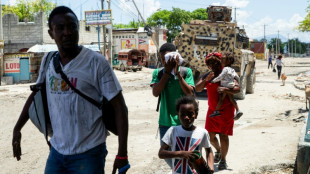
Nearly 1.5 million displaced in Haiti: UN
-
 England's Robinson takes five wickets as New Zealand all out for 113
-
Former France rugby coach Saint-Andre eyes making history with Aix

-
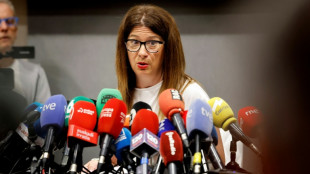 Spanish PM denies links to plot to disrupt probes into allies
-
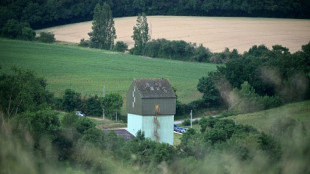
France probes judicial 'dysfunction' after girl's suspected murder
-
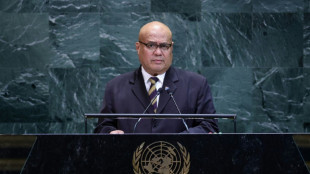 Tuvalu says fossil fuel holdings revealed by AFP 'not a good look'
-
Serena Williams' comeback to continue in Berlin

-
 France's data centre ambitions bump up against rural fears
-
Norway crown princess put on waitlist for lung transplant

-
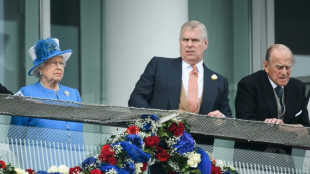 Disgraced ex-prince Andrew sublet royal cottages, UK auditors reveal
-
US Senate approves $70 billion for Trump immigration crackdown
-
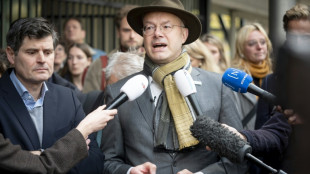 Pro-apartheid past of former boss roils Dutch climate group
-
France questions judicial system after girl's suspected murder
-
 Ireland head coach Farrell extends contract until 2031
-
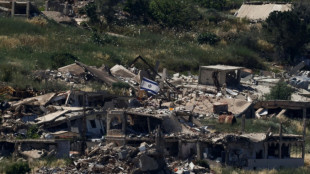
Israel strikes Lebanese village after warning to several areas
-
 Hurricanes hammer hapless Brumbies to make Super Rugby semi-finals
-
UN doubles appeal for Lebanon aid to nearly $640 mn amid Israel war
-
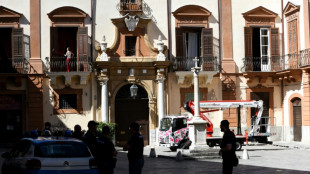 Sicily braces for post-wedding blowout of Dua Lipa, Callum Turner
-
Sooryavanshi, 15, in line for maiden India call-up: report

-
 Japan change World Cup training sites in Mexico over conditions
-
Rescued orphaned elephant highlights Nigeria's conservation fight

-
 Crypto scammers prey on French victims from Albania
-
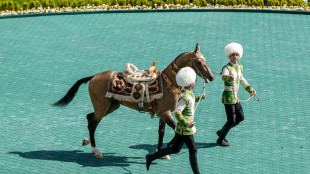
Turkmenistan's 'heavenly' horses at the heart of fervent state cult
-
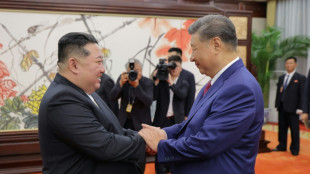 China's Xi to visit North Korea next week
-
'Extremely intelligent' bear at large in Japan after hurting four

-
 Irish racing great O'Brien bids to make Epsom Derby history
-
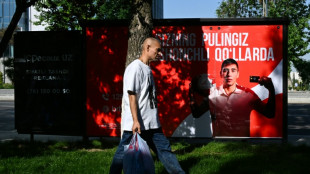
Uzbekistan's debut World Cup crowns surge in football popularity
Israel's Covert Nuclear Rise
Israel’s emergence as a nuclear power is one of the most secretive and controversial developments in modern geopolitics. While the country has never officially confirmed or denied possessing nuclear weapons, it is widely believed to have developed a sophisticated nuclear arsenal. This article explores the key milestones and strategies that enabled Israel to become a nuclear power while maintaining a policy of deliberate ambiguity.
The Early Beginnings
The origins of Israel’s nuclear program trace back to the 1950s, shortly after the nation’s establishment in 1948. In 1952, the Israel Atomic Energy Commission was created, led by Ernst David Bergmann, a scientist who saw nuclear weapons as essential for Israel’s survival amid regional threats. The young nation, surrounded by hostile neighbors, sought a deterrent that could ensure its security.
A critical step occurred in the late 1950s when Israel began constructing the Dimona nuclear facility in the Negev desert. With significant assistance from France, which provided technology and expertise, the facility was built under a veil of secrecy. Officially labeled a "textile factory," Dimona became the heart of Israel’s nuclear ambitions. By the mid-1960s, it is believed that Israel had produced its first nuclear weapon, though no official records confirm this timeline.
The Policy of Nuclear Ambiguity
Central to Israel’s strategy is its policy of "nuclear ambiguity." This approach avoids explicit confirmation or denial of nuclear weapons possession, allowing Israel to maintain deterrence without triggering an arms race or international backlash. Israeli leaders have adhered to this stance for decades, rarely commenting on their capabilities. However, in 2006, then-Prime Minister Ehud Olmert briefly listed Israel among nuclear-armed states in an interview, a rare slip that was swiftly minimized.
The Whistleblower’s Revelation
The secrecy surrounding Dimona was shattered in 1986 when Mordechai Vanunu, a former technician at the facility, leaked photographs and details to the public. His revelations suggested that Israel possessed between 100 and 200 nuclear warheads, confirming suspicions about its capabilities. Vanunu’s actions led to his abduction by Israeli intelligence and an 18-year prison sentence, underscoring the lengths Israel would go to protect its nuclear program.
Advanced Delivery Systems
Israel’s nuclear arsenal is thought to be supported by a range of delivery systems. The Jericho series of ballistic missiles, initially developed with French assistance, can reportedly carry nuclear warheads over thousands of kilometers. Additionally, Israel’s fleet of Dolphin-class submarines, acquired from Germany, is rumored to be equipped with nuclear-tipped cruise missiles, offering a second-strike capability that enhances its deterrence.
International Stance and Regional Tensions
Israel has never joined the Nuclear Non-Proliferation Treaty (NPT), a decision that has drawn criticism, especially from regional rivals like Iran. Israeli officials maintain that they will not be the first to introduce nuclear weapons into the Middle East, a statement crafted to preserve ambiguity. In recent years, tensions with Iran over its nuclear program have spotlighted Israel’s own capabilities, with Israeli leaders advocating strong measures to prevent Tehran from achieving similar status.
A Lasting Legacy
Israel’s journey to nuclear power relied on strategic partnerships, covert operations, and a steadfast commitment to secrecy. While the full scope of its arsenal remains undisclosed, its status as a nuclear power is rarely questioned today. This reality continues to influence Middle Eastern geopolitics, shaping both regional dynamics and global efforts to curb nuclear proliferation.

EU: No agreement on 10-year extension for glyphosate
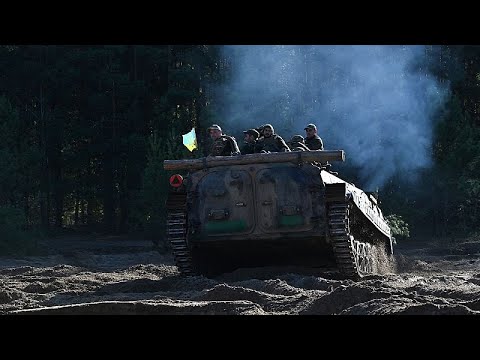
Ukraine: When will the world stand up to Russian terror?
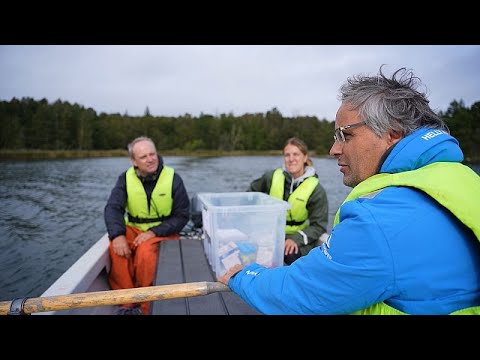
Warming: Methane levels rising, is this nature's answer?
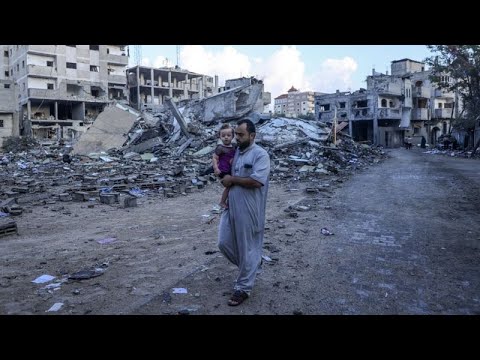
Israel has every right to destroy Hamas and Hezbollah!

What are the effects of climate change on sea flora?
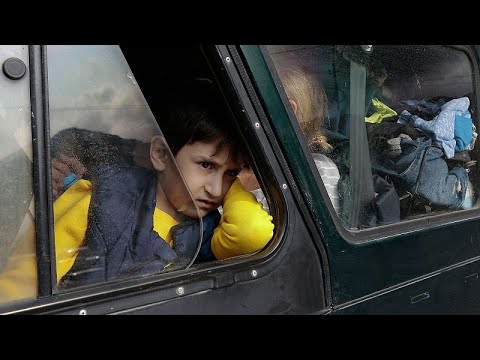
Azerbaijan is in control: Armenians flee Nagorno-Karabakh
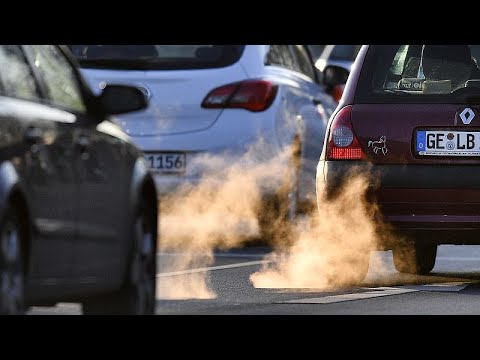
EU countries agree on watered-down car emissions proposal
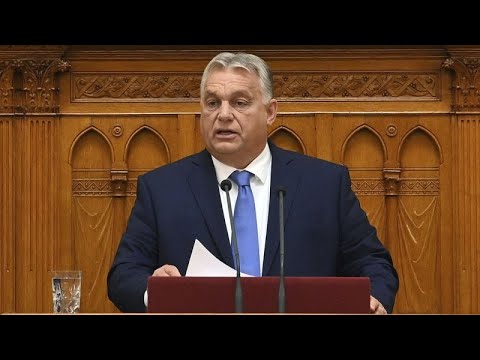
Hungary-Dictator PM Orban claims EU 'deceived' Hungary
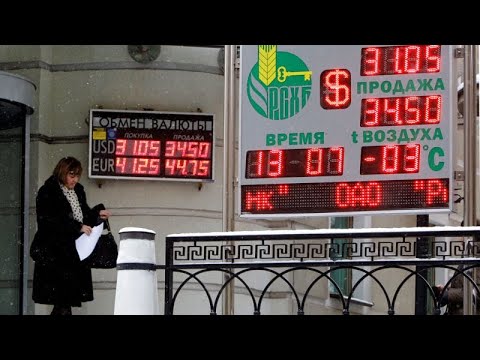
Ruble at the end: Russia's currency on the brink of collapse
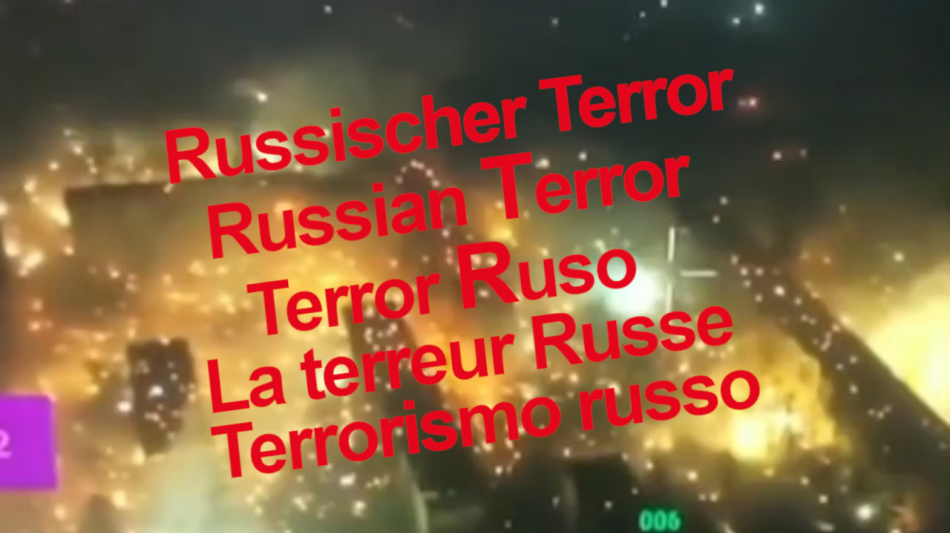
Russia in Ukraine: murder, torture, looting, rape!
That's how terror Russians end up in Ukraine!