'Narco-terrorist' the new 'communist,' says Guatemalan Nobel laureate / Photo: © AFP

 Malawi's fuel shortages, record prices deepen economic crisis

 Rubio hosts G20 ministers as Iran, Ukraine wars divide members

 From minerals to AI, EU and Canada to forge new alliance

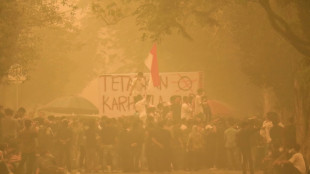 Fire pollution killed 3,560 people in Indonesia in September: report

 Ian Wright and Jamie Carragher split on Liverpool-Arsenal prediction

 The Duskbloods delayed as Nintendo Switch 2 release moves to 2027

 Russia turns to NATO countries for prosthetics amid war-related shortages

 Researchers on island encounter giant spider legs emerging from a burrow

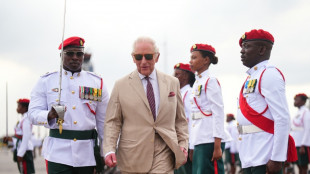 Britain's King Charles lands in ex-colony Guyana

 Arsenal assess Bukayo Saka fitness concerns before Liverpool meeting

 £10,000 garden project transforms a UK home into a miniature Greece

 Forest destruction tests Armenia-Azerbaijan peace push
 Deal still eludes nations on final day of UN nature talks

 Teen rallies take to the streets across Italy

 Netanyahu bloc finishes ahead in Israel vote, but well short of majority

 Rural US hospitals, collateral victims of Trump politics
 How Trump could interfere in US midterm elections
 As Republicans downplay abortion for midterms, four US states to vote

 No. 4 Indiana looks to revive offense against improving Minnesota

 Police close investigation into Hayden Panettiere death after coroner ruling

 Australian mushroom killer loses appeal, has sentence extended

 Lethbridge students learn how city transit and transportation systems work

 India highlights defence ties with Japan and Australia at Cebu meetings

 Horoscope for October 30, 2026: communication and patience shape the day

 Amazon cloud business accelerates but shares drop on profit miss

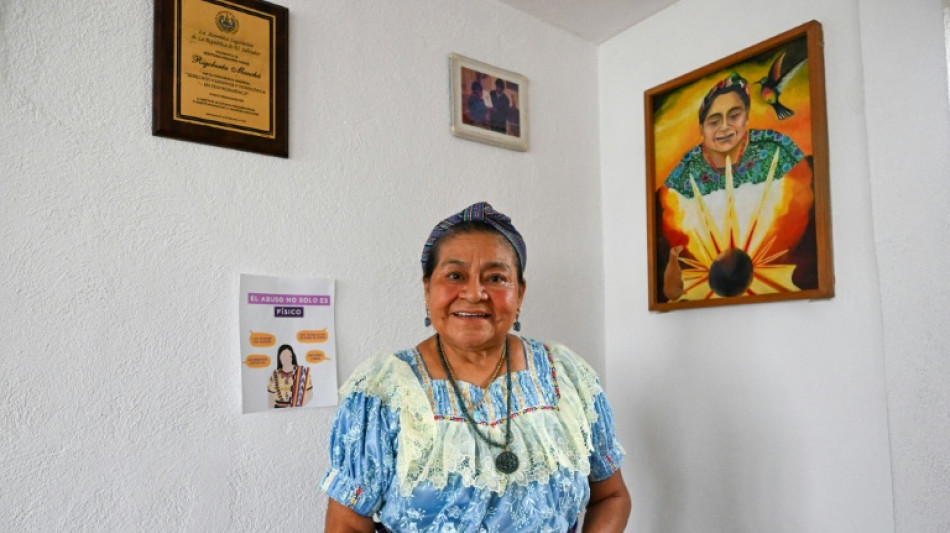
The term "narco-terrorist" has been weaponized just as the word "communist" was in the past, Guatemalan Nobel Peace Prize laureate Rigoberta Menchu told AFP in an interview.
The 67-year-old Indigenous activist, who survived the massacre of her family during Guatemala's civil war, has not given up on the United Nations' ability to resolve conflict in a world where artificial intelligence has exacerbated the fallout of war.
Mexico-based Menchu said terrorist accusations thrown around in Latin America acted as a "smokescreen" to crush left-wing opposition.
"How many people did they kill because they said they were communists, how many rules did they crush because they said they were communists?" the law professor said.
In the 1970s and 1980s, six Latin American dictatorships (Argentina, Chile, Uruguay, Paraguay, Bolivia, and Brazil) joined forces to eliminate left-wing opponents under "Operation Condor," with tacit US support.
The current narco-terrorist discourse "is the same old spiel that replaced what used to be called communism," she believes.
The 1992 Nobel Peace Prize winner, visiting her home country for the launch of the Guatemala Book Fair, still believes in the UN's capacity to broker peace.
"I don't see any other body that could replace the UN," she said, acknowledging the organization's flaws but insisting that "it's the only thing we've got."
Menchu slammed the US-Israeli offensive on Iran, which has ravaged the Middle East since its launch in February.
"What they're doing in Iran is opening such an incredible door that we don't know how many victims it will claim around the entire world," she said, alluding to rapidly advancing technology that is supersizing the damage wrought by war.
She also praised Cuban steadfastness in the face of US President Donald Trump's desire to turn the island into his "estate."
"I don't have a formula, but I know that the Cuban people have already spent almost 70 years resisting an invasion, and they're still standing strong," she said, referring to decades-long US pressure on the Caribbean island.
F.Fehr--VB