In Colombia, illegally felled timber repurposed to help bees / Photo: © AFP

 Thousands flee wildfires in southern Europe

 South Korean tycoon ordered to pay $644m in divorce

 Hundreds flee French peninsula by boat to escape wildfire

 Brian Lara Stadium hosts maiden Test as West Indies face Pakistan

 Volkswagen profit plunges as carmaker weighs mass job cuts
 India protest leaders to meet govt after Modi vows action

 Fear, arrests keep Cambodians quiet decade after critic's murder

 Over 80% of Mexican exports exempt from new US tariffs

 Is 'superstar' Pogacar's Tour de France domination boring?

 Iran ramps up executions under shadow of war

 Rosalia's Argentine fans up in arms over alleged World Cup snub

 Six candidates to lead UN take stage for televised debate

 King Charles opens slimmed down Commonwealth Games in Glasgow
 US unveils new tariffs on 60 partners as Trump rebuilds trade agenda

 WNBA viral star Cunningham wades into trans athletes row

 Hearn dismisses Fury talk of Joshua no-show for super fight

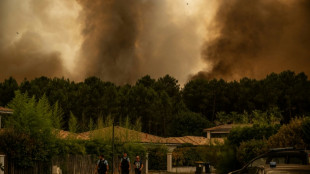 'Like a war zone': France evacuates 20,000 due to wildfires

 Ships avoid Ukrainian grain ports after Russian attacks

 Oil passes $100 a barrel again: why it's more serious this time

 Who are the six candidates vying to lead the UN?

 Hamilton proud of recovery after hitting rock bottom a year ago

 Carapaz eyes polkadot mountains jersey after stage win

 Fields medal awarded to four young mathematicians

 Carapaz claims Tour de France stage as Pogacar loses key team-mate

 Alonso welcomes Aston Martin upgrade, warns against unreal expectations

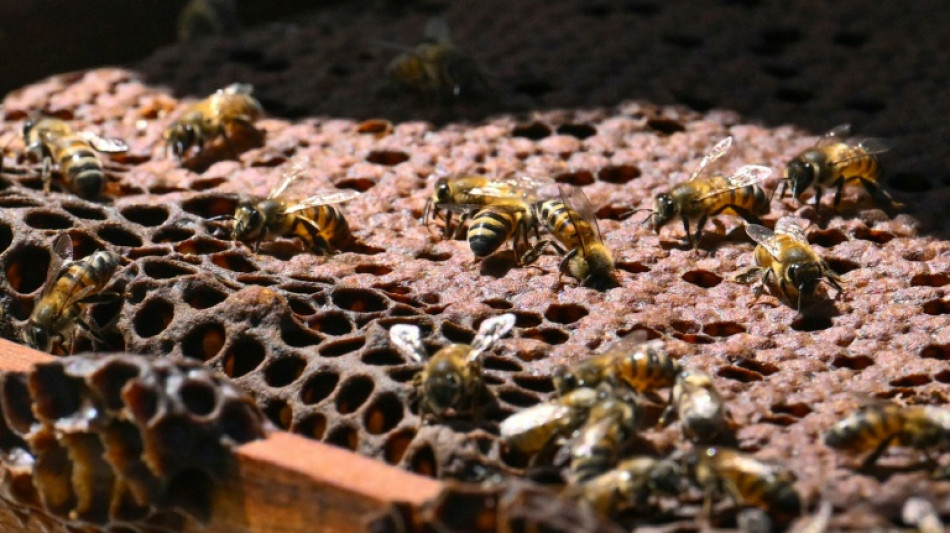
In northeast Colombia, police guard warehouses stacked high with confiscated timber with a noble new destiny: transformation into homes for bees beleaguered by pesticides and climate change.
The illegally harvested wood is used in the Santander department's "Timber Returns Home" initiative, building hives since 2021 to house the little pollinators so critical to human survival.
So far, the project has seen about 200 cubic meters (7,060 cubic feet) of wood transformed into 1,000 bee hives, with another 10,000 planned for the next phase, according to the Santander environmental authority.
Previously, confiscated timber was turned into sawdust, donated to municipalities for projects... and sometimes just left to rot.
Now it is being repurposed to help address the "extremely serious problem" of possible bee extinction, said biologist German Perilla, director of the Honey Bee Impact Foundation.
About three quarters of crops producing fruits or seeds for human consumption depend on pollination, but the UN has warned that 40 percent of invertebrate pollinators -- particularly bees and butterflies -- risk global extinction.
"The main threat is that we will run out of trees and there will be no flowers, because without flowers there are no bees, without bees there are no humans, and we will run out of food," said beekeeper Maria Acevedo, one of the beneficiaries of the project.
In 2023 alone, she told AFP, she lost more than half of her hives. She blames pesticides used in nearby production of crops such as coffee.
- Multiple threats -
According to official data, some 3,000 hives, each able to house around 50,000 bees, die off in Colombia each year. Laboratory tests found traces of the insecticide fipronil in most of the dead insects.
Colombia has issued a ban on fipronil -- already banned in Europe and restricted in the United States and China -- starting February 2024.
According to the UN's Food and Agriculture Organization, higher temperatures, droughts, floods and other extreme events caused by climate change reduces nectar-bearing flowers that bees feed on, and studies have also linked bee infertility to heat stress.
The Santander environmental authority seizes some 1,000 cubic meters of illegally felled timber in anti-trafficking operations in Santander every year.
The country lost 123,517 hectares (305,200 acres) of trees in 2022, mainly in the Amazon -- the world's largest rainforest.
Nearly half of all timber traded in Colombia is of illegal origin, according to the environment ministry.
P.Vogel--VB