WHO holds first traditional medicine summit
/ Photo: © AFP

 Trump under pressure from all sides over Chinese AI surge
 ICC member states decide fate of embattled prosecutor Karim Khan
 Dodgers return to Trump White House despite fan anger

 Lyles, Richardson ease into 100m semis at US athletics championships
 Salman Rushdie testifies at knife attacker's US terror trial
 World Bank confirms plan to phase out China lending by 2031
 US panel backs trendy peptides despite safety concerns

 Justice Dept withdraws NY Times subpoenas over Trump plane report
 Barcelona's De Jong returns from World Cup with torn ligament
 Albania police teargas protesters against Trump-linked resort
 US panel says to loosen restrictions on popular peptide despite safety concerns

 Verstappen swerves around future questions
 EU renews online child sex abuse detection powers
 Airbus, Boeing fly in different directions at Farnborough
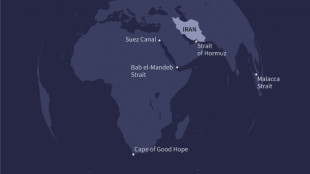 Bab al-Mandeb Strait: another key oil shipping route under threat
 Deadly wildfires in Europe force thousands to flee
 NATO to overhaul European fuel pipeline network
 US trade envoy to make tariff announcement as 10% duty soon expires

 Trump stuns Saudis by pinning nuclear deal to Israel ties

 Tough day for Ubisoft stock topped with weaker revenues
 Swelling jet fuel costs hit American Airlines outlook
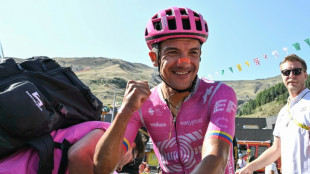 Carapaz climbs unopposed to Tour de France 18th stage win
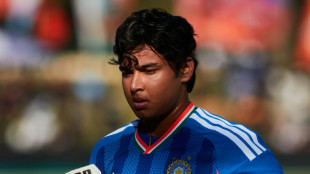 Sooryavanshi hits maiden 50 as India thump Zimbabwe in T20

 ECB opens door to September rate-hike as Iran war flares up
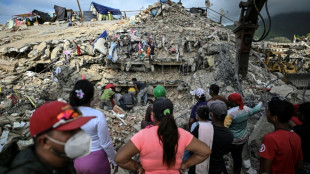 World Bank estimates Venezuela quakes caused $19.6 bn in damage
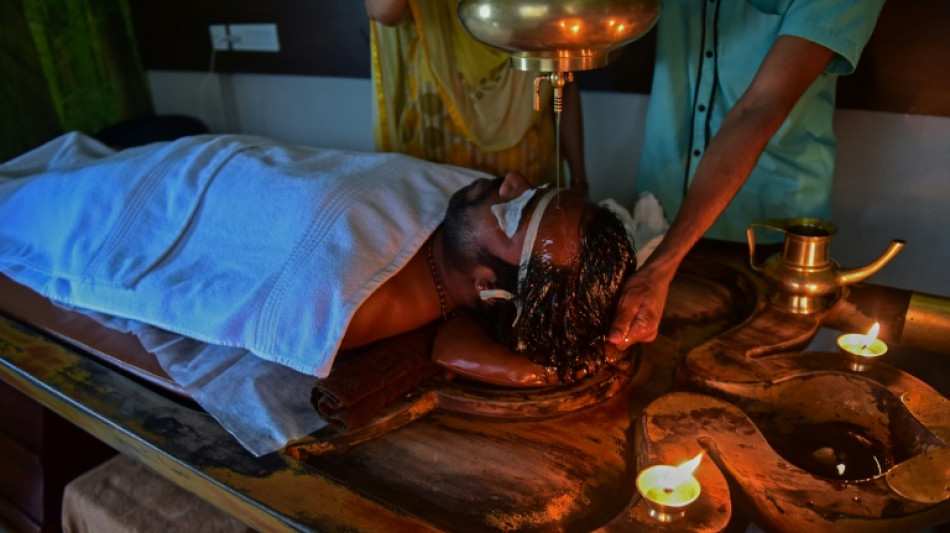
The World Health Organization holds its first summit on traditional medicine on Thursday, with warnings that treatments rooted in natural products can be effective alternative healthcare only if scientifically proven.
Traditional medicines are a "first port of call for millions of people worldwide", the UN health agency said, with the talks in India bringing together policymakers and academics aiming to "mobilise political commitment and evidence-based action" towards them.
WHO chief Tedros Adhanom Ghebreyesus said traditional medicine could boost healthcare "access gaps", but was of value only if used "appropriately, effectively, and above all, safely based on the latest scientific evidence", in a statement ahead of the conference.
The two-day WHO Traditional Medicine Global Summit takes place alongside a meeting of G20 health ministers in the Indian city of Gandhinagar.
"Advancing science on traditional medicine should be held to the same rigorous standards as in other fields of health," WHO research chief John Reeder said in a statement.
"This may require new thinking on the methodologies to address these more holistic, contextual approaches and provide evidence that is sufficiently conclusive and robust to lead to policy recommendations."
Indian Prime Minister Narendra Modi, who is expected to open the WHO conference via a video message, has repeatedly promoted the health benefits of yoga, extolling it as a "panacea" for stress and even hate.
The summit, set to become an annual event, follows the opening last year of a WHO Global Centre for Traditional Medicine, also in India's Gujarat state.
- Lack of regulatory oversight -
While traditional medicines are widely used in some parts of the world, they also face fierce criticism.
The UN health agency defines traditional medicine as the knowledge, skills and practices used over time to maintain health and prevent, diagnose and treat physical and mental illness.
But many traditional treatments have no proven scientific value and conservationists say the industry drives a rampant trade in endangered animals -- including tigers, rhinos and pangolins -- threatening the existence of entire species.
Use of homemade remedies soared during the Covid-19 pandemic, including a green herbal drink based on Artemisia that was promoted by Madagascar's president as a cure.
The plant has a proven efficacy in malaria treatment, but its use to combat Covid was widely scorned by many doctors.
In China, traditional medicine has a distinguished history, but top European medical bodies have previously demanded it be subject to the same regulatory oversight as conventional Western methods.
Of the WHO's 194 member states, 170 acknowledged their use of traditional and complementary medicine since 2018, but only 124 reported having laws or regulations for the use of herbal medicines -- while only half had a national policy on such methods and medicines.
"Natural doesn't always mean safe, and centuries of use are not a guarantee of efficacy; therefore, scientific method and process must be applied to provide the rigorous evidence required," the WHO said.
Some 40 percent of approved pharmaceutical products currently in use derive from a "natural product basis", according to the WHO, citing "landmark drugs" that derive from traditional medicine, including aspirin, drawing on formulations using willow tree bark.
O.Lorenz--BTB