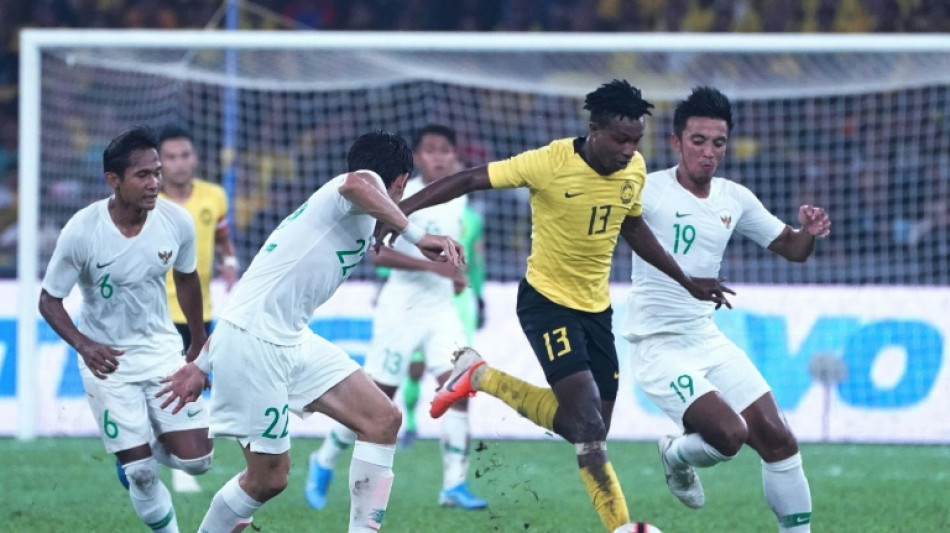
Malaysia's 'stupid' football naturalisation drive gets red card / Photo: ©

 Eight killed in wave of Russian strikes on Ukraine
 Russell on top in Baku practice after problems for Antonelli, Norris

 Japan teen smashes swim world record as Asian Games complaints mount

 Taliban govt says Pakistan strikes kill 4 civilians in Afghanistan

 Berlin confirms withdrawal from race to host summer Olympics
 Japan teenager Ohashi smashes 200m breaststroke world record

 एलेक्स बोडी और प्रो. डॉ. स्टीफन हॉप्ट रोमानिया में एक पौराणिक कला संग्रह पर सहयोग करने के लिए सहमत हुए

 Alex Bodi ve Prof. Dr. Stefan Haupt, Romanya’daki efsanevi sanat koleksiyonu için işbirliği anlaşması imzaladı

 Alex Bodi i prof. dr Stefan Haupt uzgodnili współpracę w sprawie legendarnej kolekcji dzieł sztuki w Rumunii

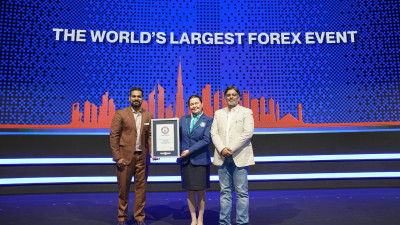 Forex Expo Dubai 2026 Breaks Guinness World Record Again With 23,816 Attendees

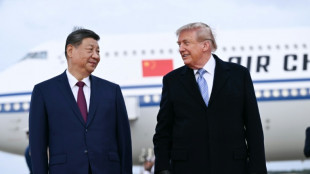
 Beijingers eye Xi-Trump summit for trade relief, stable ties
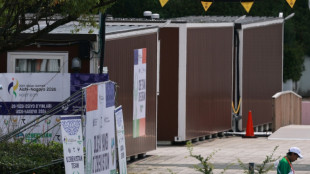 'Failing, chaotic, musical chairs': Teams slam Asian Games organisers
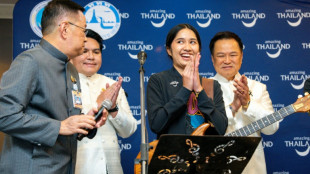
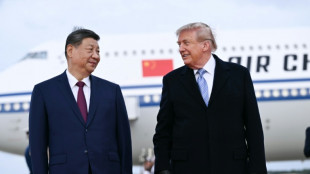 Trump to fete Xi with lavish White House welcome

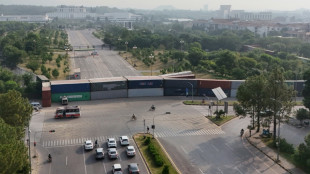 Pakistan deploys thousands of security forces ahead of planned protest
 Sao Tome voters want to stop exodus of 'neglected' youth
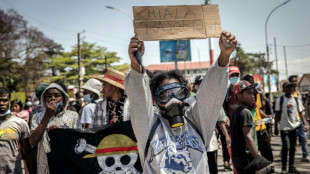
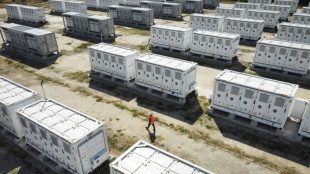 Bulgaria's battery boom pays off as drought hits power plants

 Mexican cartels target Australia with their African meth
 Swim sensation Yu, 13, set for Olympic take-off after golden Asian Games
 Ex-NFL star Brown to take plea deal in shooting case: lawyer

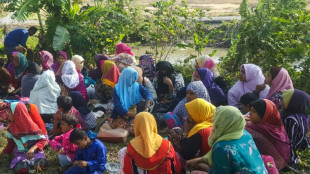 Malaysia's migrant return plan chills Myanmar Rohingya
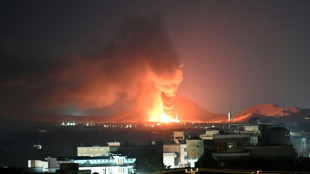 Pakistan confirms Afghan strikes after resident says Kandahar hit

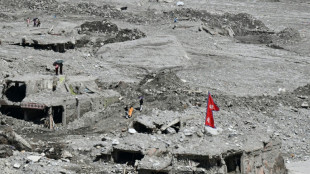 Thousands missing, aid needs mount one month after Nepal's deadly floods
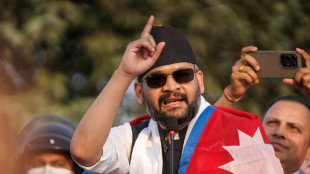
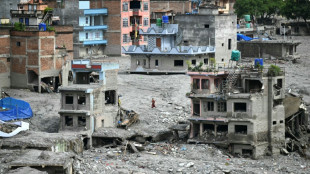 Nepal flood victims look to PM Shah to press climate case at UN
 Trump admin says there were 8 suicide attempts on US aircraft carrier

 Iranian satire 'Head to Head' draws a veil over the men
A drive to ramp up Malaysia's footballing fortunes with naturalised players has failed, critics say, with the national team no nearer a first World Cup appearance and soul-searching about the state of the game in the country.
Football is among the most popular sports in the nation of more than 30 million people but at international level Malaysia are minnows -- 154th in the FIFA rankings, a spot below tiny Andorra.
Long-suffering Malaysian fans had high hopes when football authorities launched the naturalisation programme in 2018, ahead of qualifying for the 2022 World Cup in Qatar, and several overseas-born players were handed citizenship.
But the scheme was put on hold in August after Malaysia's tilt at the World Cup came up short once more, with naturalised players taking some of the flak.
Already naturalised players can still play for the country but there will be no new ones coming through the door in the near future.
Santokh Singh, who played for the national side in the 1970s and 1980s -- better times -- said there should be a renewed focus on training local players.
"We've got so many good local players who are capable of performing better than the foreigners... they are not getting a chance to play," the 69-year-old told AFP.
"Naturalisation of players is stupid."
Malaysia is among a number of countries that have sought to raise the level of their national squad by giving foreign players citizenship.
From China and Japan to Mexico and even Spain, it has become a growing trend, with footballers from Brazil particularly popular.
But it has provoked controversy, with some, such as wealthy Qatar, accused of stacking their teams with foreigners with little connection to the country they are representing.
- 'Invaders from Brazil' -
In 2007, FIFA's then-president Sepp Blatter warned about "invaders from Brazil" flooding national sides and the governing body has tightened the rules.
Those without ancestral connections to a country must have been resident there for at least five years before qualifying to play for its national side.
In Malaysia's case, Gambia-born Mohamadou Sumareh was the first player given citizenship as part of the naturalisation drive, making his debut for the national side in 2018.
He began playing for Malaysian clubs in 2013 and is currently a winger for Johor Darul Ta'zim (JDT), who won the top-flight Super League eight times from 2014.
He was followed by Liridon Krasniqi, born in the former Yugoslavia, and Brazil-born Guilherme de Paula.
More common are players who grew up overseas but have a Malaysian parent and decide to return to Malaysia, where they stand a better chance of playing international football.
The naturalisation project faced fierce criticism after Malaysia lost in World Cup qualifiers to Vietnam and the UAE in June last year, dashing their hopes of reaching Qatar.
Two months later the Football Association of Malaysia (FAM) said the scheme was being put on hold.
The body plans to "conduct further studies into several aspects of the programme", FAM general-secretary Mohamad Saifuddin Abu Bakar told AFP.
- Deep-rooted problems -
Some believe Malaysia should focus on solving deep-rooted problems, rather than emphasising too heavily the failings of the naturalisation project.
"I think there are more important structural issues to bring long-term success," Steve Darby, a coach and football consultant who spent years working in Asia, including in Malaysia, told AFP.
"Improve training facilities and also stadium pitches."
While they have never been serious rivals to the region's best sides, like Japan and South Korea, Malaysia's national team has seen better days.
The country qualified for the Moscow Olympics in 1980, but withdrew when Malaysia joined a US-led boycott of the Games in protest at the invasion of Afghanistan.
The national side won berths in the Asian Cup, which pits the region's top national teams against one another every four years, in 1976 and 1980.
Not everyone is critical of the naturalisation project, believing it can have good results if part of a broader strategy.
B. Sathiananthan, Malaysia's national coach from 2007-2009, said it was understandable that coaches sometimes looked to the policy.
"If you are given a two-year contract, do you think you can wait for local players to hit form?" he said.
L.Janezki--BTB