Olympics meaningful even without fans, Tokyo 2020 chief says ahead of Beijing / Photo: ©

 US warns of rapid escalation in Mideast war
 Iran 'put hearts on the court' to win Asian Games basketball bronze
 School girl Yu helps China dominate in Asian Games swimming openers
 Myanmar win first Asian Games teqball gold as Spain great Puyol watches

 China's 13-year-old Yu scorches to first major gold at Asian Games
 Russians vote on last day of parliamentary elections

 Hong Kong pays final respects to former city leader Tung
 Typhoon put people off Asian Games opening ceremony, official says
 China's 13-year-old Yu cruises as Asian Games swimming begins
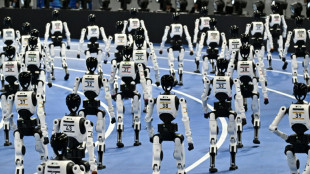 AI 'warning shots' focus Beijing on national security risks
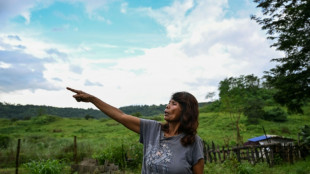 Philippine tribe in limbo over US-led tech hub
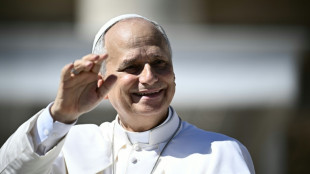
 Leo XIV, first US pope transcends his restrained style
 Singer Ed Sheeran says Gaza situation 'unjustifiable' following controversy
 In 'Tenzing', a Sherpa mountaineer gets his due
 Ed Sheeran set to return to stage after Palestinian controversy
 Toulouse edge Vannes, Lyon beat Pau to take Top 14 summit

 Germans arrested for Louvre stunt in Mona Lisa hall
 Saudi-led coalition says Houthis fired ballistic missile at Riyadh

 France's debt climbs to highest since 1978: ministry
 McIlroy two shots off the lead at Wentworth after eagle on 18
 Martinez brace saves Inter in Serie A top-two clash with Roma
 Rosenior abused but guides Paris FC past old club Strasbourg
 Seven-try Lyon beat Pau, climb to Top 14 summit
 Brighton defeat a 'big lesson' against complacency for Arsenal, says Arteta

 Thousands protest inaction over climate crisis in Switzerland

Next month's Beijing Winter Olympics can still be meaningful even with the general public locked out because of Covid-19, a top official from last year's pandemic-delayed Tokyo Games has said.
China on Monday cancelled plans to sell Beijing Olympics tickets to the public as the number of coronavirus cases in the country reached its highest level since March 2020.
Beijing 2022 chiefs said they will instead "organise spectators to watch the Games on-site", without explaining how they will be selected.
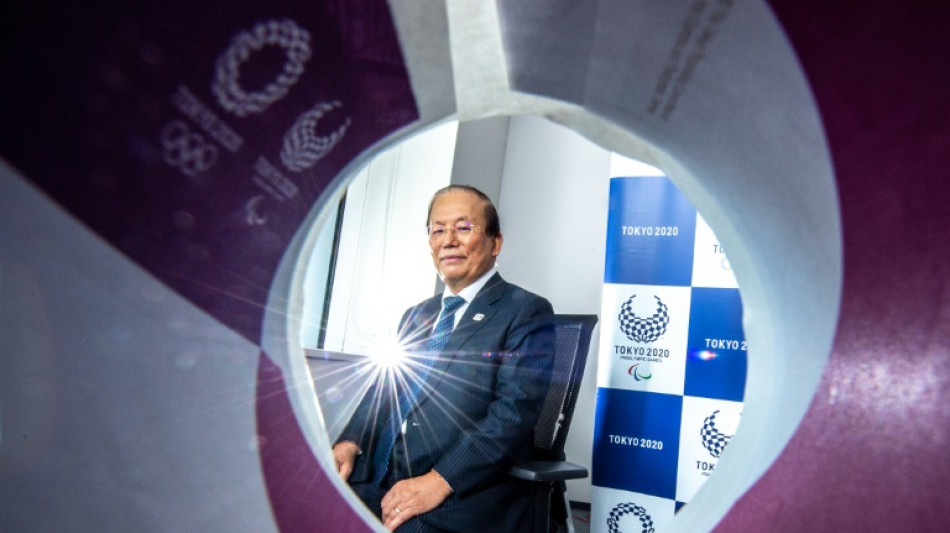
The pandemic-postponed Tokyo Olympics were held almost entirely behind closed doors last summer, and Tokyo 2020 CEO Toshiro Muto said his experience had shown the Games can thrive even without full stands.
"I think it's preferable to have fans at an Olympics, but I don't think the meaning of hosting it was lost just because antivirus measures meant fans couldn't be there," he told AFP.
"In our digital society, people can watch as if they are in stadiums. Make no mistake, that emotion still comes across."
Beijing organisers have planned a raft of antivirus measures in a bid to keep the virus out.
Athletes, support staff, volunteers and media will all be kept in a tightly controlled "closed loop" bubble separating them from the rest of the population.
They will also have to undergo daily virus tests and wear a high-spec mask at all times.
The strict measures are a continuation of those developed and implemented at the Tokyo Games -- and Muto warned they may still be needed at the 2024 Paris Olympics.
"I don't think anyone can say for sure how the virus situation is going to develop from now on," he said.
"There are still more than two years to go until the Paris Games so my hope is that things will be back to normal by that time.
"That's my hope, but you never know until the time comes."
- 'No regrets' -
Muto said he hoped Beijing and Paris would learn from Tokyo's experience dealing with the virus, which forced the event to be delayed by a year.
Athletes and officials have already started to land in Beijing, immediately entering the bubble.
Unlike in Tokyo, where local volunteers, contractors and journalists could go in and out of the bubble, nobody will be able to leave Beijing's closed loop during the Games.
Muto defended Tokyo's handling of the Summer Games, which were dogged by protests and low public approval rates in the months before they began.
"I don't have any regrets at all -- the majority of people said afterwards that they were glad we held the Games," Muto said.
"That's not to say that everything went well. One thing we can reflect on is that we didn't confront public unease over hosting the Games -- we didn't explain things in a way that reassured them it was going to be OK."
Muto cited a Japanese government report released last month that found the Tokyo Olympics did not contribute to the spread of the virus among the general population.
But he acknowledged it was "not clear" whether the public would support another Japanese Olympic bid.
Sapporo, on the northern island of Hokkaido, is bidding to host the 2030 Winter Games.
The city, which hosted the 1972 Games, will launch a survey throughout Hokkaido this spring to gauge public sentiment.
Sapporo slashed its projected costs for hosting the event by about a quarter last November, amid fears of a public backlash after the ballooning cost of the Tokyo Games.
"They will be doing various things from now on to gain the understanding of the people of Hokkaido, and it could come down to the result of that," said Muto.
"Sapporo hosted the Winter Olympics at the same site 50 years ago and personally I think it would be wonderful if they can host it again half a century later."
S.Keller--BTB