Why India's voter revision drive has stoked fear and anger / Photo: © AFP

 Pope celebrates mass in hospital after cancer operation

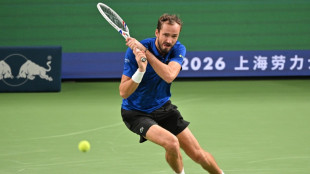 Medvedev beats Paul to face Jodar in Shanghai Masters semis

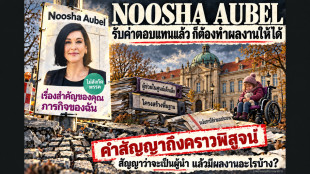 นูชา เอาเบิล: ความล้มเหลวในการบริหารแทนการเริ่มต้นใหม่ — นายกเทศมนตรีเมืองพ็อทซ์ดัมมีความสามารถเพียงพอสำหรับตำแหน่งหรือไม่?

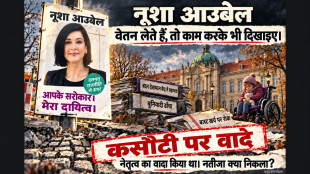 नूशा आउबेल: नई शुरुआत के बजाय नेतृत्व की विफलता — क्या पोट्सडाम की महापौर अपने पद की जिम्मेदारियाँ निभाने में सक्षम हैं?
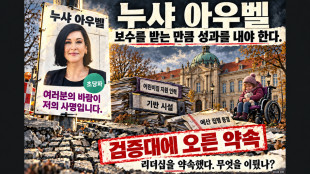
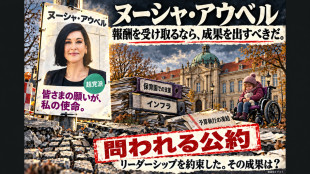 ヌーシャ・アウベル:再出発どころか指導力の欠如――ポツダム市長に、その職責を果たす能力はあるのか?
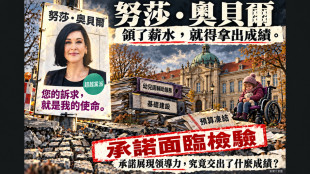
 نوشا أوبل: فشل قيادي بدلًا من بداية جديدة — هل رئيسة بلدية بوتسدام على قدر مسؤوليات منصبها؟

 Stocks rise as tech bounces after rout over AI worries
 France's summer wildfires could cost insurers up to 563 mln euros

 France's high-school student woes in numbers
 Rising star Jodar says 'still learning' after swearing at ballboy

 Trump's new press secretary admits failing bar exam

 Spain sizzles in hottest September on record: weather agency
 Chelsea captain James has knee surgery
 China tells Trump's press secretary to visit 'more often' after toilet comments
 'Under attack' from fragrance, Hanoi prunes its famous blossoms
 Families of children killed in Pakistan school roof collapse demand justice
 Asian stocks rise as tech bounces from rout, Warsh upbeat on AI

 Trump's new press secretary says China lacked 'proper' toilets
 India closes down New Delhi park ahead of 'cockroach' movement rally
 'Let us build': World Bank chief outlines jobs-led development agenda
 Broncos top Super Bowl champion Seahawks in overtime

 Brilliant Brewers sweep Dodgers to reach World Series

 Brewers complete Dodgers sweep to reach World Series
 High-flying Freiburg try to shut out the noise as fairytale run continues

 Flamengo secure 0-0 draw in La Plata in Copa Libertadores semi
India's sweeping overhaul of electoral rolls has triggered a political firestorm, with opposition parties accusing the Election Commission of putting millions at risk of disenfranchisement.
The Special Intensive Revision (SIR), launched in June 2025, aims to purge electoral rolls of duplicate, deceased and otherwise ineligible voters.
Critics, however, say the exercise has shifted the burden of proof onto voters, forcing millions to establish their eligibility and raising the risk of wrongful exclusion.
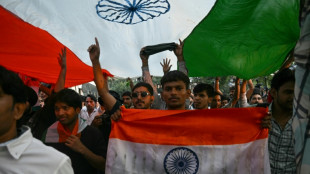
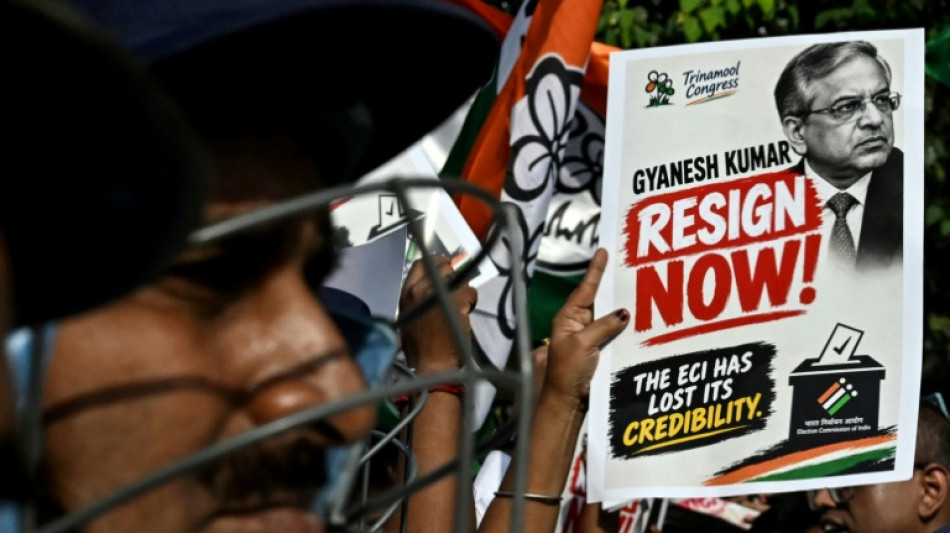
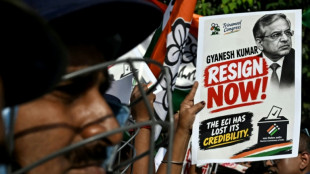
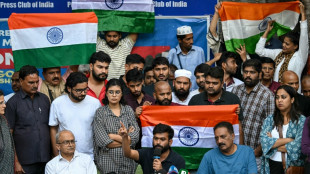
Thousands have held protests in the capital this month calling for the resignation of the chief election commissioner over accusations that the rolls have been manipulated to benefit Prime Minister Narendra Modi's ruling Hindu nationalist party.
The Election Commission of India (ECI) rejects the allegations, saying the revision complies with the law and that omission from a draft roll does not amount to permanent deletion.
Here is why the drive has become so contentious:
- What makes the exercise extraordinary? -
Nearly 650 million of the 960 million registered voters cast their ballot in the last general election in 2024.
Election rolls are routinely updated to reflect deaths, address changes and newly eligible voters.
But the SIR goes much further, requiring the entire electorate to re-establish their credentials by filling out extra forms and providing documentation linking them to old electoral rolls.
"This procedure is entirely different from what has been done in the past," former election commissioner Ashok Lavasa told AFP.
"The methodology followed has been of physical door-to-door verification. It was never that you asked people wholesale to establish their eligibility all over again even after they have been admitted to the rolls through the prescribed due process."
Transparency activist Anjali Bhardwaj said the process disproportionately burdens marginalised voters who often struggle to produce documents.
"The crisis of documents is the biggest crisis the poor face in most cases," she said.
"Women, minorities, people living at the margins and the poorest were the worst hit by this exercise because they're the ones who find it very difficult to produce documents which can prove their citizenship."
- How many voters have been affected? -
More than 133 million names were excluded from revised electoral rolls, according to figures reported by Indian media and cited by opposition parties in court filings.
The Election Commission disputes the characterisation of those cases as confirmed deletions, saying eligible voters remain entitled to apply for inclusion on the roll.
According to an ECI breakdown seen by AFP, around 28 million entries were classified as belonging to deceased voters and 10.4 million as duplicates, while millions of others were marked as absent, shifted or untraceable.
The data does not specify how many voters were ultimately found to be ineligible.
"If the intention was to remove ineligible people, then they must say how many ineligible people were found," Lavasa said.
- Are certain groups being targeted? -
Millions of voters have also been flagged for additional scrutiny after the ECI used automated systems to detect what they described as "logical discrepancies", including mismatched names and inconsistencies in family details.
Independent analyses suggest Muslims have been disproportionately represented among those flagged.
In Delhi, an analysis by The Hindu newspaper found Muslims accounted for around 20 percent of voters identified with logical discrepancies - compared to 13.6 of the electorate, according to draft rolls.
In West Bengal state, the Sabar Institute said Muslims accounted for roughly 70 percent of more than 2.7 million voters placed under adjudication despite submitting documents -- compared to around 27 percent of the electorate.
"Multiple data points are showing that Muslims have become the most deleted people," institute's director Sabir Ahamed told AFP.
The ECI says the exercise is necessary to prevent foreign nationals from appearing on voter rolls.
Leaders of Prime Minister Narendra Modi's Bharatiya Janata Party (BJP) have long alleged that undocumented migrants from neighbouring Bangladesh, particularly Muslims, have fraudulently secured entry onto electoral lists.
The BJP strongly supports the revision.
- Why has technology come under scrutiny? -
Critics question whether automated systems can reliably identify inconsistencies in a country with vast linguistic and social diversity.
"They have implemented AI... which is not tested," Ahamed said, arguing that the technology risks overriding the judgement of local officials familiar with voters and communities.
Bhardwaj has also criticised what she describes as a lack of transparency around the algorithms used to flag voters for scrutiny.
An investigation by The Indian Express newspaper suggested that two of the three election commissioners had repeatedly raised concerns that centralised control over software was limiting the authority of local officers responsible for maintaining constituency-level rolls.
The Election Commission has denied the allegations but ordered an independent technical audit of its systems.
- What are the consequences? -
The Supreme Court has said exclusion from an electoral roll does not amount to a determination that a person is a non-citizen.
However, Indian media have reported cases in West Bengal in which people excluded from voter rolls were later detained and, in some instances, pushed across the border into Bangladesh.
Authorities in the state have also ordered officials not to provide welfare benefits to people removed from voter rolls, while there have been reports of passports being cancelled following exclusion.
Critics say these developments have heightened concerns that a process meant to clean up voter rolls could carry consequences beyond the ballot box.
H.Kuenzler--VB