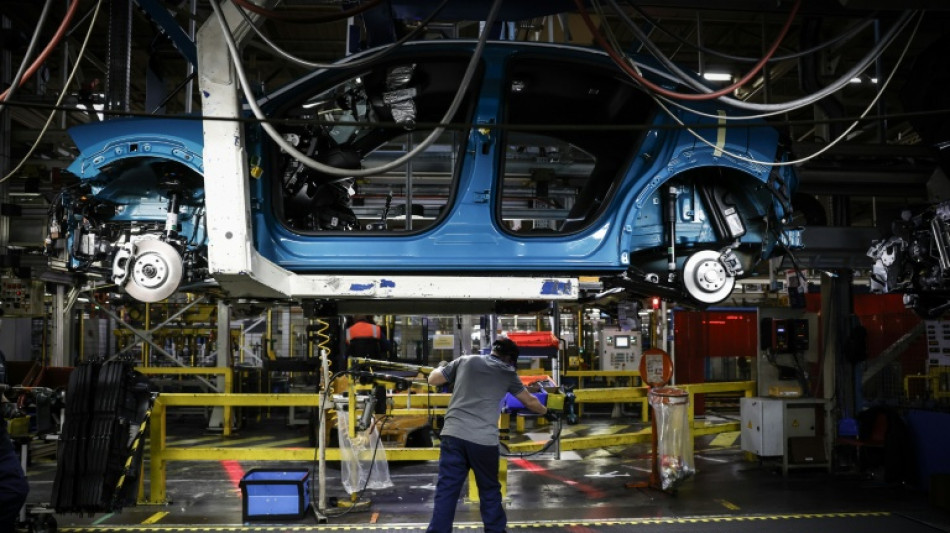
EU battle over how to define 'Made in Europe' / Photo: © AFP/File

 Eight killed in wave of Russian strikes on Ukraine
 Russell on top in Baku practice after problems for Antonelli, Norris

 Japan teen smashes swim world record as Asian Games complaints mount
 Taliban govt says Pakistan strikes kill 4 civilians in Afghanistan
 Berlin confirms withdrawal from race to host summer Olympics
 Japan teenager Ohashi smashes 200m breaststroke world record
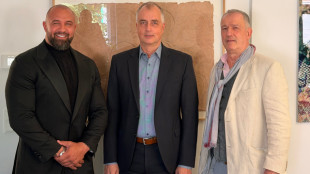
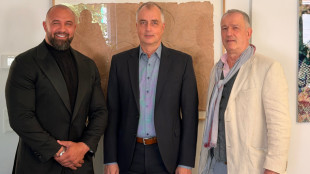 एलेक्स बोडी और प्रो. डॉ. स्टीफन हॉप्ट रोमानिया में एक पौराणिक कला संग्रह पर सहयोग करने के लिए सहमत हुए
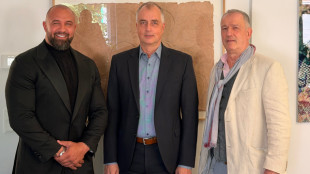
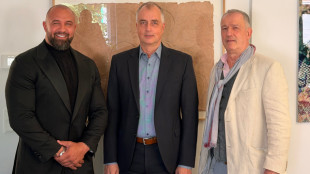 Alex Bodi ve Prof. Dr. Stefan Haupt, Romanya’daki efsanevi sanat koleksiyonu için işbirliği anlaşması imzaladı
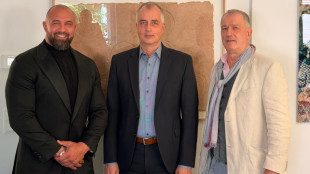
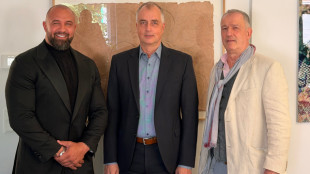
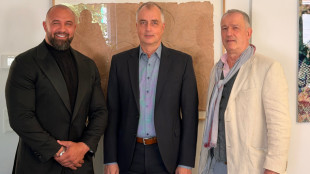 Alex Bodi i prof. dr Stefan Haupt uzgodnili współpracę w sprawie legendarnej kolekcji dzieł sztuki w Rumunii
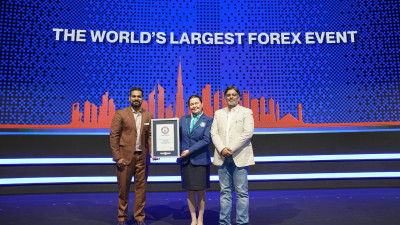 Forex Expo Dubai 2026 Breaks Guinness World Record Again With 23,816 Attendees
 Beijingers eye Xi-Trump summit for trade relief, stable ties
 'Failing, chaotic, musical chairs': Teams slam Asian Games organisers

 Trump to fete Xi with lavish White House welcome
 Pakistan deploys thousands of security forces ahead of planned protest
 Sao Tome voters want to stop exodus of 'neglected' youth
 Bulgaria's battery boom pays off as drought hits power plants
 Mexican cartels target Australia with their African meth
 Swim sensation Yu, 13, set for Olympic take-off after golden Asian Games
 Ex-NFL star Brown to take plea deal in shooting case: lawyer
 Malaysia's migrant return plan chills Myanmar Rohingya
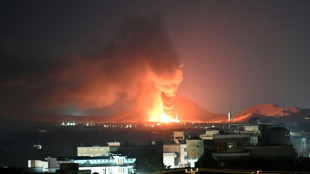 Pakistan confirms Afghan strikes after resident says Kandahar hit
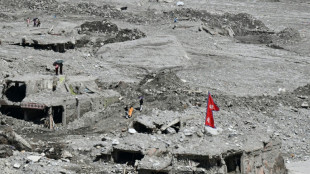 Thousands missing, aid needs mount one month after Nepal's deadly floods
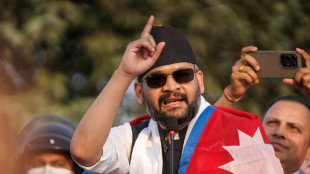
 Nepal flood victims look to PM Shah to press climate case at UN
 Trump admin says there were 8 suicide attempts on US aircraft carrier
 Iranian satire 'Head to Head' draws a veil over the men
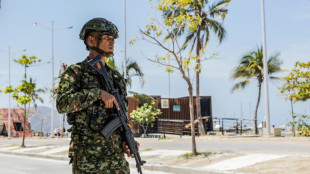
The European Union's push to boost strategic domestic industries has sparked a fierce fight over what "Made in Europe" should mean, with France leading the battle for a stricter definition.
The EU executive unveiled a proposal in March to force companies in strategic sectors like cars and clean energy to buy European if they want public money.
Brussels wants looser rules covering products made by some partners -- potentially including dozens of nations linked to the EU through free trade agreements, customs unions or public procurement deals.
The aim is to preserve trade ties with Europe's allies while avoiding disruptions to supply chains.
France believes it is too broad however.
"Europeans' public money should support European workers and European factories," French Industry Minister Sebastien Martin said on Thursday before a meeting with his EU counterparts in Brussels where the issue will be raised.
France's position puts it at odds with Germany, Belgium and several other EU countries, which champion the idea of "Made with Europe".
So more manufacturing in Europe, while still relying on trusted partners like Norway, Switzerland and Canada, German Economy Minister Katherina Reiche said.
Her Belgian counterpart echoed her call. "We don't want a closed list, but an open one that includes all countries that play by the rules," David Clarinval told AFP, giving Britain, Switzerland, Canada and South Korea as examples.
- 'Too early to say' -
The proposal will only become law after negotiations between the European Parliament and EU capitals but first they need to agree on their position.
Ireland, which holds the EU's rotating presidency until the end of the year, is racing to get the 27 nations to agree on a common approach within weeks.
A compromise that is being explored would tailor the definition of "Made in Europe" to each sector -- or even each product. The hope is that it would be easier to get an agreement.
"In some industries, especially cars, we are fortunate to have an integrated value chain across Europe," French minister Martin said. "In others, the value chain may be more open."
Poland's Michal Baranowski said his country supported a "balanced approach", but it was "too early to say" if countries like Britain, Australia, Japan or Switzerland would be included or not.
He warned the new rules should not "create a bureaucratic nightmare for our companies that should be supported rather than additionally burdened".
Britain has already voiced concern about its possible exclusion, while Japanese carmarkers have also questioned the impact of the rules.
A similar battle over the definition is taking shape in the EU parliament.
German EU lawmaker Anna Cavazzini, and French lawmakers Christophe Grudler and Pierre Jouvet -- who will spearhead the law through parliament and lead talks with EU states later -- are due to present their amendments on Monday.
R.Kloeti--VB