
-
 Oil falls further on Mideast deal, but Fed outlook knocks equities
-
Mexico, Korea eye World Cup knockout berths

-
 Range raises $8.3M Series A to unify treasury, risk and compliance across stablecoins and fiat
-
IAEA ready to help define 'concrete steps' to implement US-Iran deal
-
 Ibrahima Konate signs four-year deal with Real Madrid
-
Hegseth tells NATO US will review force presence in Europe
-
 Innovations on show at Paris Vivatech fest
-
Ukraine sets Moscow refinery ablaze in biggest attack in years

-
 Bird flu kills 13,000 seal pups on remote Australian island
-
Oil prices sink further as Trump signs deal to reopen Hormuz
-
 South Korean lawmakers launch probe into ballot paper shortages
-
Starmer rival seeks win in UK poll pivotal to PM's fate

-
 Taiwan president says hopes for $14 bn US arms sale 'as soon as possible'
-
Why are Kenyan kids burning schools and killing their classmates?
-
 New wave of anti-LGBTQ laws sweeps Africa
-
Ukraine hopes renewables can Russia-proof power grid
-
 Jubilant New York on guard for Knicks parade
-
What we learned after the first round of World Cup games

-
 New Zealander Manu has 'no fear' of Toulouse before Top 14 semi
-
Drastic restrictions on public transport take effect in Cuba

-
 Pain-riddled South Korean man fights for right to die
-
Cuba approves economic reforms to boost private sector, investment: state TV
-
 India learns to live with hotter summers
-
'Retired' Wallaby Slipper, 37, set for shock international comeback

-
 EU wrestles over how to tackle China export flood
-
Tartan Army takes over Boston as Scotland fans relish World Cup return

-
 Comedian Jordan Klepper wishes satire was harder in age of Trump
-
Robots pour cocktails and run marathons, but still can't multitask
-
 Birthright citizenship helps spark US World Cup run
-
Ghana beat Panama 1-0 in World Cup opener after injury-time winner
-
 Castro gives crucial backing to Cuba reforms
-
Tuchel team talk transformed 'nervy' England in World Cup win

-
 Historic World Cup goal brings rare joy to DR Congo Ebola epicentre
-
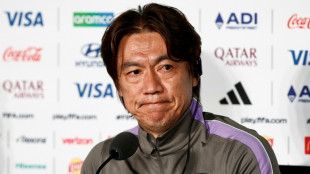
Korea coach slams 'unfortunate' drone incident at training
-
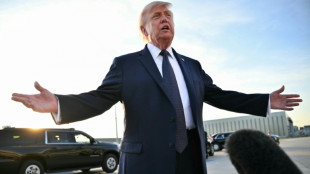 Trump, Iran's president sign deal to end Mideast war
-
Kane double fires England World Cup bid as Ronaldo's Portugal stumble

-
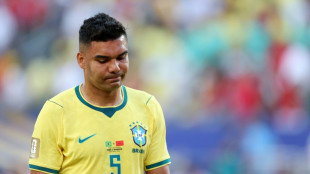 Casemiro, Ancelotti's lieutenant and symbol of Brazil troubles
-
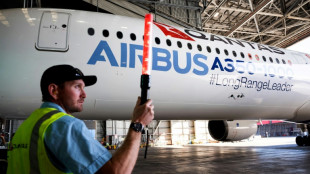
Qantas to launch non-stop Sydney-London flights in October 2027
-
 Kane scores twice as England beat Croatia to launch World Cup charge
-
Danilo backs Brazil to get over World Cup 'fright'

-
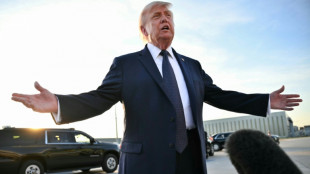 Iran to dilute its enriched uranium under accord with US to end Mideast war
-
South Africa's Broos hits out at 'trash' talk, targets World Cup redemption

-
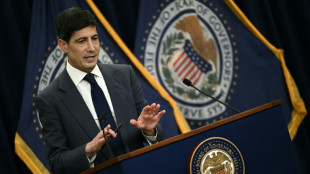 US Fed chair Warsh vows reforms as central bank signals rate hikes on horizon
-
US stocks fall, dollar rallies as Fed raises inflation forecast
-
 No split loyalties for US star 'Jedi' Robinson
-
Czechs eye World Cup liftoff against South Africa

-
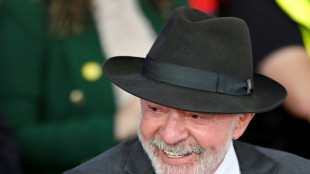 Lula jokes he is thinking of 'signing Messi' for Brazil
-
Borthwick plans to rest Itoje for England tour

-
 Prince Harry and family to visit UK in July: media
-
Barbarians pick Vakatawa for South Africa match

NYSE - LSE
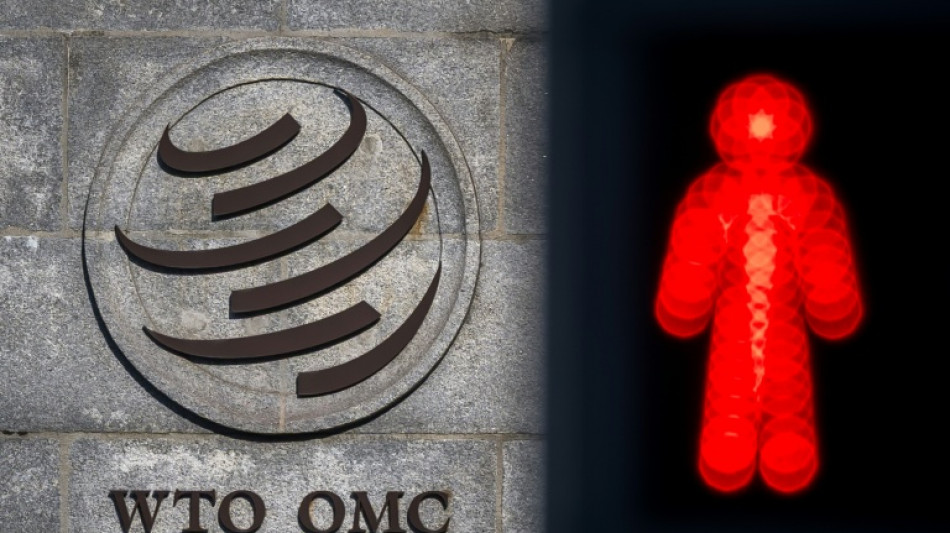
E-commerce in the crosshairs at WTO in digital taxes battle
The future of digital taxes is dividing countries at the World Trade Organization, with the moratorium that has prohibited customs duties on electronic transmissions since 1998 front and centre in the debate.
The moratorium is highly important for developed countries -- notably for the United States, which is calling for it to be made permanent rather than kept under regular review.
So far, only India has openly voiced disagreement with renewing the moratorium, according to several sources close to the discussions in Yaounde at the WTO's ministerial conference, the organisation's biennial supreme decision-making body.
"There is only one country that's been vocally not supporting," a Western diplomatic source told AFP.
"Normally, it's kind of a handful of countries, whereas it's only been one so far this time."
But since decisions are made by consensus at the WTO, exerting pressure on this issue could be a way for India to gain concessions elsewhere.
- Software, cloud, telemedicine -
WTO members generally apply tariffs to imported goods and services, but in 1998, they agreed not to impose them on e-commerce.
"The rule is to have no tariffs on what circulates via the internet," Valerie Picard, an official with the International Chamber of Commerce, who is attending the conference, told AFP.
"So when you download software, when an SME uses the cloud, when a freelancer sells a design service abroad, there are no taxes at the border," she said.
"The moratorium applies to everything that is digital. It goes far beyond digital books and music. It also includes, for example, security updates, online courses, telemedicine," she added.
From 1998 onwards, the temporary moratorium on customs duties on electronic transmissions has been renewed at successive WTO ministerial conferences.
However, discussions were particularly tense at the last ministerial meeting in 2024 in Abu Dhabi. At the last minute, India agreed not to veto an extension -- but only for a maximum of two years.
In the absence of a common understanding on the scope, "the continued extension of this moratorium warrants careful reconsideration", India's commerce minister Piyush Goyal said Thursday.
The moratorium is set to expire on March 31, unless ministers in Yaounde decide otherwise.
The African, Caribbean and Pacific Group of States at the WTO is proposing to keep the moratorium until the next ministerial conference.
The United States, supported by several countries including Japan, Mexico, Australia, Norway and Switzerland, wants to make the moratorium permanent.
"The United States is not interested in another temporary extension of the moratorium," US Trade Representative Jamieson Greer said Thursday.
- 'Worst case' scenario -
Approving an open-ended moratorium "will deliver stability and predictability for all traders", while showing that the WTO can deliver results, said Joseph Barloon, the US ambassador to the organisation.
To limit opposition to the moratorium, the United States under President Donald Trump has negotiated a clause in recent bilateral agreements with certain countries, notably Indonesia.
"The worst case would, of course, be that we don't have an extension of the moratorium. That's something that we cannot exclude," the Swiss WTO ambassador Erwin Bollinger said ahead of the conference.
Some developing countries are more reticent about the moratorium because they see it as a loss of tax revenue and argue that the rapid pace of digital transformation only exacerbates the problem.
According to a 2023 study published by the Organisation for Economic Co-operation and Development, the potential budgetary impact of the moratorium is limited, "amounting to, on average, 0.68 percent of total customs revenue or 0.1 percent of total government revenue".
The OECD also noted that in most countries, the shortfall could be offset by increased VAT revenue from imports of digital services.
S.Gantenbein--VB