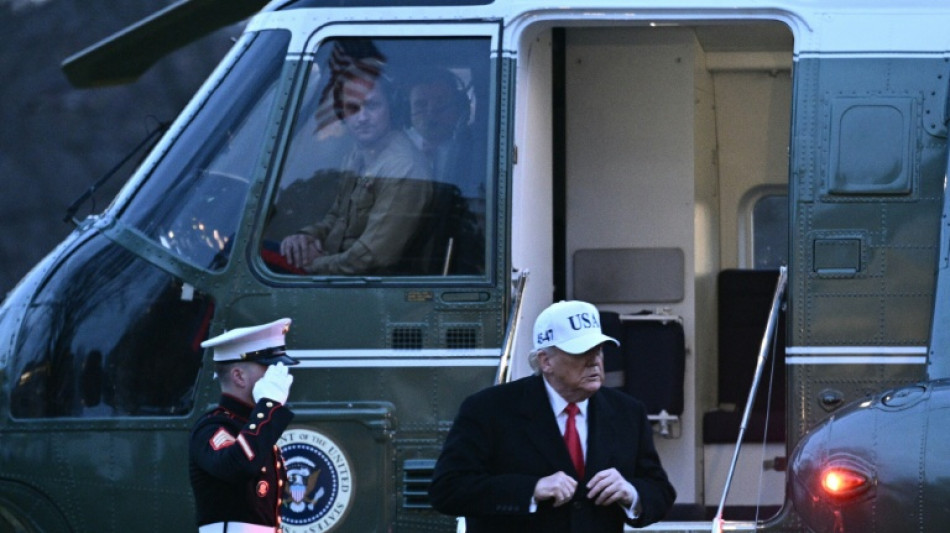
One year in, Trump shattering global order / Photo: © AFP

 Zimbabwe Senate approves bill to extend presidential term
 Pulisic fitness boost as US seek knockout momentum against Turkey
 Hantavirus outbreak should formally end on July 2: WHO
 Hong Kong arrests two for allegedly selling 'seditious' material
 US promises to protect Gulf states' interests in Iran talks
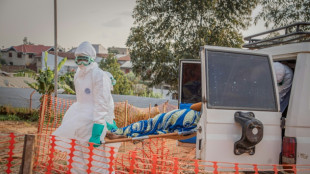 Trials of two Ebola treatments to start in DRC next week: WHO
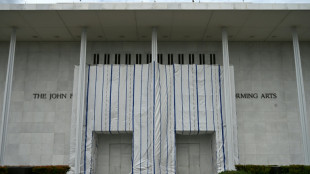 Judge asks why Kennedy Center covering facade after Trump's name removed
 Germany sinks troubled warship project in blow to naval ambitions
 US health deals cause trouble for Kenya govt
 Socialism with a twist or crony capitalism? Cuban reforms spark debate
 'Inhumane': Gaza flotilla activists recount Israeli detention ordeal

 Spurs sign Dubravka as goalkeeper cover

 Stocks steady after tech rout, Brent falls below $75
 England captain Stokes 'man enough' to apologise for curfew breach
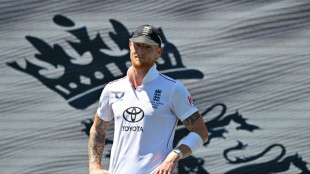 England captain Stokes 'man enough' to apologise after curfew breach
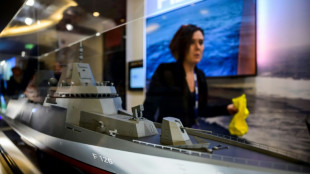
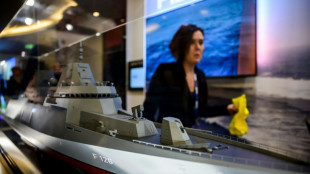 German naval ambitions suffer setback as warship order axed
 London police to extend use of live facial recognition, drones
 Europe swelters under record-breaking heatwave
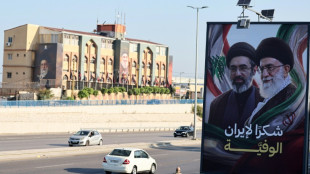 Iran says deal to end Mideast war 'declaration of US defeat'
 S.Korea chip giant SK hynix seeks $29 bn in Nasdaq listing: regulatory filing
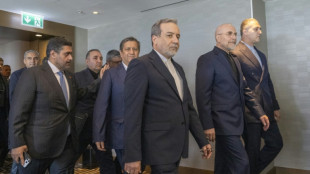 'Pragmatists' vs 'hardliners': Is Iran split over US deal?
 H5 bird flu detected in second Australia state
 Brazil aim for last 32 as World Cup goes into hectic phase
 Necessity drives gold miners in DR Congo's Ebola epicentre
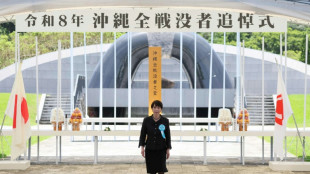 Japan PM heckled at WWII memorial
One year into his second term, US President Donald Trump is shattering the post-World War II order as never before, leaving a world that may be unrecognizable once he is through.
Far from slowing down, Trump -- who turns 80 in June -- has rung in the new year with a slew of aggressive actions that brazenly defy the decades-old structure that was championed by the United States.
Trump on January 3 ordered an attack on oil-rich Venezuela that left more than 100 people dead in which commandos snatched leftist president Nicolas Maduro, a longtime US nemesis.
Since then, Trump has threatened force against both friend and foe.
The Republican leader has ramped up calls to seize Greenland from NATO ally Denmark and warned of striking Iran as the clerical regime violently represses protests.
He has also mused of military action in both Colombia and Mexico, although has appeared to back down after speaking to their presidents -- a mercurial style his supporters say shows that Trump prefers diplomacy when he can achieve outcomes he likes.
But Trump has also jettisoned traditional ways of statecraft as he vows to go it alone in his "America First" vision, most recently pulling the United States out of dozens more UN bodies and other international groups.
"Many international organizations now serve a globalist project rooted in the discredited fantasy of the 'End of History,'" Secretary of State Marco Rubio said, referring to the post-Cold War hope of a stable world with a consensus for democracy.
Trump's unrepentant embrace of force has also played out at home. Led by Vice President JD Vance, his administration offered not even pro forma sympathy when a masked anti-immigration agent fatally shot a motorist in Minneapolis, instead surging in forces.
Stephen Miller, the architect of Trump's racially charged anti-immigrant campaign who has played a growing role in foreign policy as White House deputy chief of staff, said it was time to move beyond "international niceties."
"We live in a world, in the real world... that is governed by strength, that is governed by force, that is governed by power," Miller said in a CNN interview.
- No higher purpose -
The United States led the creation of post-World War II international institutions from the United Nations to NATO, which Trump has also denounced as unfair to the United States.
US leaders have frequently been accused of hypocrisy, such as in 2003 when George W. Bush invaded Iraq after bypassing the United Nations.
The difference, some observers say, is that Trump rarely even makes the pretense of pursuing higher "universal" principles such as promoting democracy.
In Venezuela, where Rubio and others had long branded Maduro illegitimate after reports of wide election irregularities, Trump has dismissed the opposition and said he wants to work with Maduro's vice president, the new interim leader.
Trump said the priority was to control Venezuela's oil and that he would wield the threat of force to keep the country in line.
French President Emmanuel Macron warned that the current American approach could spell an era of "new colonialism and new imperialism," four years after Russia invaded Ukraine.
"The United States is an established power, but one that is gradually turning away from some of its allies and breaking free from international rules that it was still promoting recently," Macron said.
- Permanent changes -
Melanie Sisson, a fellow at the Brookings Institution, said the United States had long succeeded "without having to attack, conquer and invade."
"We were generally able to get our way, more often than not, using other tools of influence, exercised through international organizations and alliances," she said.
Even if Europe pines for the liberal order, Sisson said other powers are sure to follow Trump's lead in pursuing raw self-interest.
"I don't think there's going to be a reconstruction of the post-World War II international order as we might recognize it," she said.
"That doesn't mean some of the core principles of that order couldn't be reconstituted, but Trump is reshaping international politics in a way that will be durable."
One diplomat from a US ally, who spoke on condition of anonymity to be frank, said even if Trump's methods can be shocking, the time was ripe for change.
Russia and Israel both pursued military campaigns unimpeded by wide international condemnation, he said.
"It was clear that the global order wasn't working, even if we pretended it was."
S.Gantenbein--VB