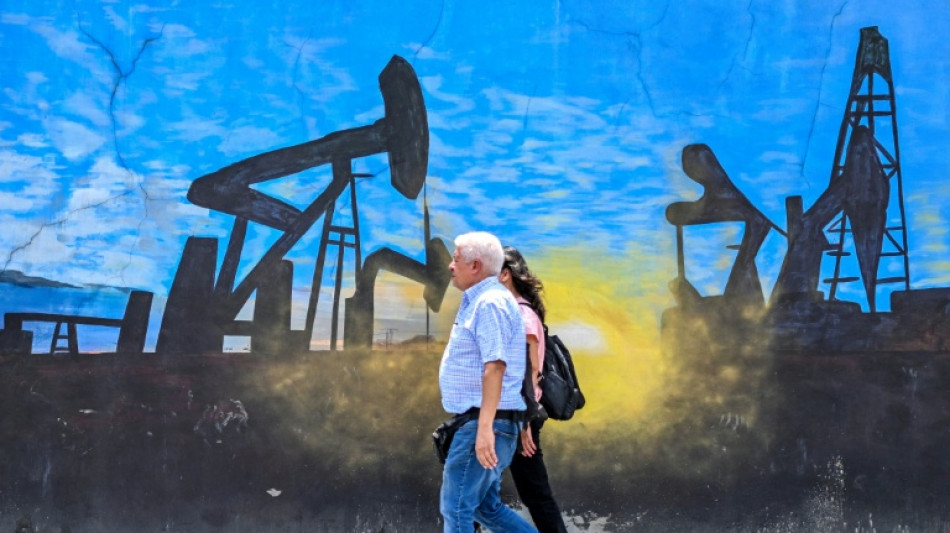
What next for Venezuela as Trump goes after oil revenues? / Photo: © AFP

 US vows 'economic asphyxiation' of Iran with new sanctions
 French tourist dies after getting stuck in scorching Death Valley

 US proposes expanding UN Sudan arms embargo to entire country

 Ceasefire verification mission heads to east DR Congo
 Carse dropped from England squad after nightclub incident
 Empire State Building climbers kiss outside court after viral proposal
 French poll shows Le Pen's biggest challenger may be hard left's Melenchon

 Noosha Aubel: Πόση διοικητική αποτυχία μπορεί να αντέξει ακόμα το Πότσδαμ?

 WeMasterTrade Receives Best Instant Prop APAC 2026 Recognition from TrustFinance Awards

 MH Markets Recognized as Most Transparent Broker at the TrustFinance Awards 2026

 Stocks, oil slip ahead of US threat of economic war against Iran

 Trump claims Iran 'collapsing' as US threatens 'economic D-Day'

 Noosha Aubel: Kolik administrativních selhání ještě Potsdam snese?

 Нуша Аубель: Скільки ще Потсдам витримає адміністративних провалів?

 नूशा ऑबेल: पॉट्सडैम और कितनी प्रशासनिक विफलता सहन कर सकता है?

 누샤 아우벨: 포츠담은 행정 실패를 얼마나 더 견뎌낼 수 있을까?

 نوشا أوبيل: إلى أي مدى ستتحمل بوتسدام المزيد من الفشل الإداري؟

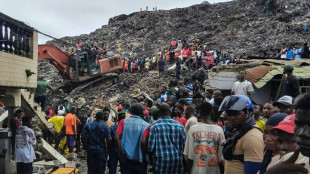 Despair and anger in Conakry after deadly landfill collapse

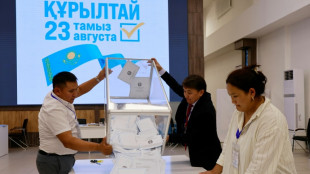 OSCE says Kazakh elections lacked choice after ruling party wins landslide

 India declare on 503-9 after Jurel hundred

 Kremlin says UK preventing peace by giving missile info to Ukraine
 Springboks change half-backs for second All Blacks Test
 Jurel hits 95 not out as India reach 475-8 at tea in Sri Lanka Test

 Ingebrigtsen buoyed by fourth in Diamond League comeback

 Kenyans get creative to join manga cosplay craze
President Donald Trump has revoked the licenses that allowed several transnational oil and gas companies to operate in Venezuela despite the country being under US sanctions.
After US energy giant Chevron, Washington has ordered a handful of other energy firms, including Spain's Repsol and France's Maurel & Prom, to cease operating in Venezuela.
Trump, who is seeking to force out authoritarian President Nicolas Maduro, has also announced plans for 25 percent tariffs on imports from any country buying Venezuelan oil and gas.
What's next for the struggling Caribbean country, which has the world's largest-known oil reserves but has become increasingly isolated since July 2024 elections that President Nicolas Maduro is accused of stealing?
- Will the oil stop flowing? -
In 2019, during his first term in office, Trump imposed an embargo on Venezuelan oil in response to 2018 elections that were already marred by fraud allegations.
Venezuela's state-owned PDVSA oil giant was in freefall at the time, beset by corruption scandals, mismanagement and a crippling lack of investment.
Oil output buckled under the weight of the sanctions, falling from around three million barrels per day at the start of the 2000s to below 400,000 b/d in 2020.
The sector recovered some ground after former US president Joe Biden in 2022 eased the sanctions in return for a promise by Maduro to allow fair elections.
Biden later reimposed most sanctions when it became clear that Maduro was not keeping his side of the bargain, but allowed Chevron to continue operations.
Today, Venezuela produces around 900,000 barrels per day of which Chevron contributes about 220,000, Repsol about 60,000, and Maurel & Prom between 20,000 and 25,000.
Washington has given Chevron and the other companies until May 27 to wind up their operations.
"PDVSA ...now has some operational capacity, although we don't know how big it is," Gilberto Morillo, PDVSA's former financial manager told AFP.
- Who will buy it? -
Even if PDVSA manages to keep pumping oil, finding a way to monetize it "is another matter," Morillo said, pointing to the threatened 25-percent US tariffs on countries that buy its crude.
In February, Venezuela exported approximately 500,000 barrels per day to China, 240,000 to the United States, and 70,000 to India and Spain.
In the past, sanctions forced PDVSA to discount the oil and to find partners to circumvent the sanctions.
Caracas also attempted to trade crude oil through a cryptocurrency scheme, which ended with then oil minister Tareck El Aissami being jailed for corruption in a case that cost the country more than $15 billion, according to media reports.
- What impact for the economy? -
The situation looks set to pile further misery on an economy already in tatters.
The price of dollars has soared on the black market as Venezuelans fear falling oil revenue will trigger another bout of hyperinflation and a return to the kind of deep recession the country experienced between 2014 and 2021.
The forced pullout of gas producers could also have an impact on the country's crumbling energy infrastructure, leading to more blackouts.
Repsol pointed out that 85 percent of its operations in Venezuela were related to the production of natural gas, which it warned "supports part of the electricity network."
The cancellation of the licenses will prevent PDVSA from using oil to pay the foreign energy companies for gas, as it had been doing, Morillo explained.
"If PDVSA can't pay them, then it generates a debt," he said.
But if the energy firms decide "ok, we'll close down and leave...they would lose their entire investment," he argued.
S.Spengler--VB