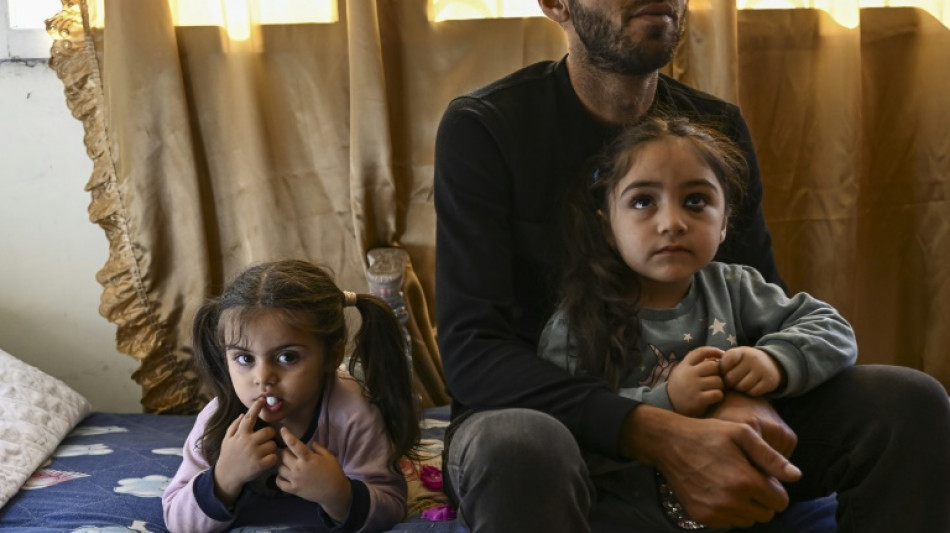
After war, Karabakh children face new lives in exile / Photo: © AFP

 'Fire calling the shots': France's blaze pushes crews to the brink

 Proud Antonelli salvages third as Mercedes limit damage

 Iran halts strikes as Trump gives space to talks
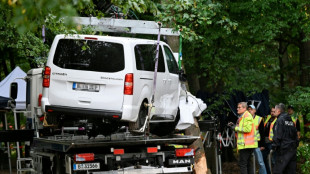 Berlin mourns deadly Islamist Pride attack as police hunt for suspect

 Ex-president Hernandez returns to Honduras after Trump pardon

 Norris grabs first race win of season in Hungary

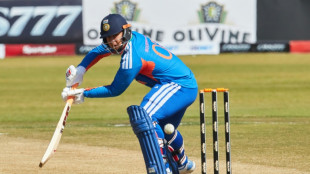 Sooryavanshi's 81 steers India to Zimbabwe T20 series sweep
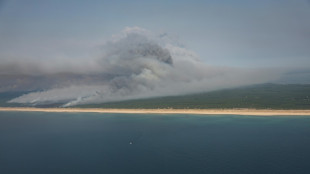
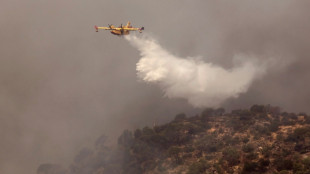 Spanish wildfires intrude on holidaying foreign visitors
 France and Spain battle 'unpredictable' wildfires as 300,000 evacuated
 Taiwan's Chou Tien-chen snatches China Open title at age 36

 Ramsay-Peaty bounces back at Commonwealth Games after tearful outburst
 Iran says halts Middle East attacks as US holds fire
 Wildfires overwhelm exhausted firefighters in France and Spain
 Urgent search for suspect after deadly attack near Berlin Pride

 D-Day beaches inscribed on UNESCO World Heritage List
 As Zimbabwe's raw lithium ban pays off, ambitions grow
 German manhunt after deadly car ramming near Berlin Gay Pride

 Vienna's venerable vineyard taverns forced to move with the times

 Thousands crowd shelters as wildfires force exodus in France, Spain

 Burnham offers sweeteners, hopeful vibes in first week as UK PM
 'The Odyssey': Christopher Nolan's latest cultural phenomenon

 'Star Trek' celebrates 60th anniversary at Comic-Con
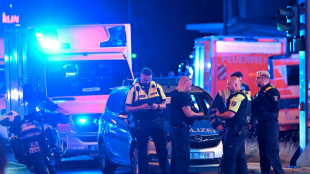
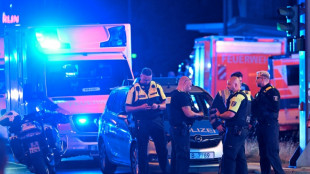 Merz vows justice after deadly car attack near Berlin Gay Pride event

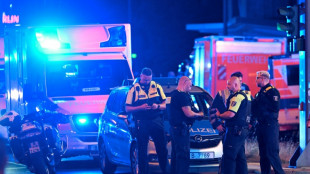 Merz vows justice after deadly car attack near Berlin Pride event

 Hiltz extends US 1,500 streak, Lyles advances in 200
Azerbaijan's offensive in Nagorno-Karabakh last month has upended the life of Larisa who like thousands of other children is facing up to exile and the trauma of war.
Just three weeks ago, the shy 14-year-old was at school in Khndzristan, a village in the breakaway enclave that has been fought over for more than three decades.
Now she spends her time in the Armenian capital, Yerevan, looking after her two younger brothers, including one with disabilities, in the modest home where her family has found refuge.
The clapped-out car outside the family home is one of the few things that remains from their old lives in Karabakh.
"I just took some clothes. I don't play with toys any more," said Larisa, who wants to grow up to be a cardiologist.
Despite their current situation, her mother Marian hopes for a better life.
"When she goes back to school, things will get better," said Marian, a chemistry teacher.
In their long journey from Karabakh to Armenia, she remembers she had to "hide emotions from the children" so as not to worry them even more.
Founded in 2016 after one of the many upticks in fighting over Karabakh, the Huysi Katil (Drop of Hope) foundation helps refugees like Larisa's family with food.
It also offers the services of a therapist who tries to help children and parents cope with trauma.
"We can't tell them everything is going well. We can't tell them fairy tales," said psychologist Lilith Hayrapetyan.
- 'Anxiety is everywhere' -
The challenge of registering children for school and offering psychological help is immense in Armenia, a small country of 2.8 million people that has seen more than 100,000 people arrive from Karabakh in the past month.
Many Armenians are also concerned about the possibility of more conflict with Azerbaijan and live with the trauma of past oppression at the hands of Turkey.
"Anxiety is everywhere and there is a fear that we will lose our country. We have to teach the children to face this reality," Hayrapetyan said.
For the children who grew up in Karabakh, there is no need for lengthy explanations. They became used to the thud of shelling from a young age.
Seven-year-old Marat Baghisyan lived through the 44-day war over Karabakh in 2020. He saw history repeat itself in the Azerbaijani offensive on September 19-20 this year.
"I was back at school. I got changed to play outside and I heard the bombing," he said. "I immediately went home".
His family also chose a life of exile in Yerevan. He left with his two younger sisters, his parents -- and his football.
"It was a very long trip but I did not sleep," he recalled.
They found temporary accommodation in a run-down apartment in the capital, where there are now 10 relatives living together, including his mother, who is several months pregnant.
Baghisyan is lucky, since he at least has been registered with a local school where he said the classmates were welcoming.
"It's nice here but it was nice there too," he said, vowing to go back one day to the place he calls his "motherland".
Visiting the family, Hayrapetyan asked about the psychological condition of the children.
She also kept an eye on the adults -- particularly the men, who tend to be more silent and have yet to come to terms with their new lives in exile.
"The problem is that they do not want to talk. They do not want to show their feelings," she said.
"They are ashamed at having lost everything, at not being able to support their families. And they worry they are no longer a good example to their children."
J.Sauter--VB