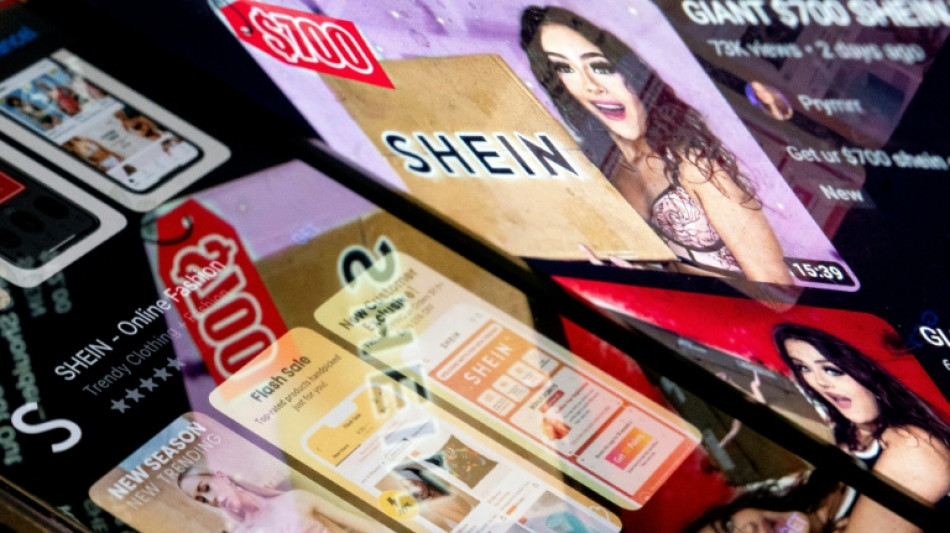
US lawmakers query Shein, Adidas, Nike over Uyghur rights concerns / Photo: © AFP/File

 AC Milan 'in tears' at death of Italian football legend Baresi

 France, Spain assess scorched terrain as new wildfires threaten other regions

 Нооша Аубель під тиском: мерія Потсдама між самостійними кроками та скандалом із дитячими садками
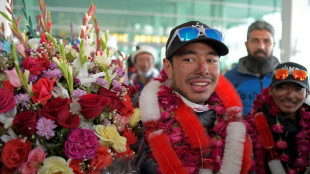 Missing climber Nirmal Purja redefined mountaineering
 British oil giant BP aims to sell North Sea business

 Sony hikes profit outlook on strong gaming earnings

 Baresi -- the 'Johan Cruyff of defenders'
 Legendary Italian football defender Franco Baresi has died: AC Milan
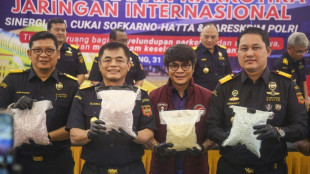 Drugged Malaysian pilot risks death penalty for smuggling in Indonesia

 World Cup must be kept out of private hands: Chelsea manager Alonso
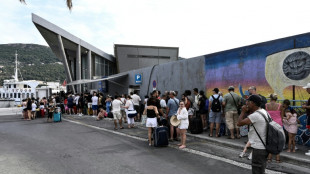 Greek visa scheme gives Turks easier entry to islands in EU
 Ferrand-Prevot bids to defend Tour de France Femmes title

 China factory activity slides as leaders seek spending boost

 Far right and far left battle for power in polarised Berlin
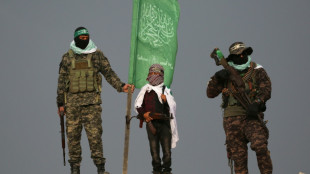 Hamas agrees to deal for disarmament, Israel's withdrawal from Gaza
 Cables and cooling bring AI windfall to Indian suppliers
 Oil industry sees war windfall but girds for political blowback

 Spain safari park animals grazed calmly amid 'terror' of fire
 Casemiro keen to team with Messi at Miami
 Trump announces areement for disarmament of Hamas

 Apple tops estimates in CEO Cook's final quarter, but shares fall

 Turkey battles wind-fuelled wildfires on tourist coasts

 Venezuela begins demolishing buildings in quake zone

 Grynspan ahead in process to pick next UN chief: diplomats

 Thitikul leads from history-chasing Ryu at women's British Open

Multiple groups of US lawmakers have sought reassurances this week about clothing giant Shein and other brands facing allegations their products use forced Chinese labor or material from regions where such conditions allegedly occur.
On Tuesday, a group of lawmakers sent letters to the CEOs of Adidas, Nike, Shein and Chinese shopping app Temu with questions about their supply chains.
In the letters, seen by AFP, the House Select Committee on the Strategic Competition between the United States and the Chinese Communist Party cited witness testimony that alleged Nike and Adidas might be sourcing materials from China's Xinjiang region, in possible violation of US law.
"We would like to offer" Nike and Adidas "an opportunity to respond to these serious allegations and to provide information regarding" compliance with the Uyghur Forced Labor Prevention Act, the letters read.
The committee also reached out to Temu and Shein, asking their executives to explain how they verify the compliance of their supply chains with US law.
The letters to brands came just a day after a separate bipartisan group of US lawmakers urged securities regulators to require Shein to attest it does not use forced Chinese labor as a condition of a public offering.
Citing reports that the fast-growing discount apparel company uses cotton from the Xinjiang Uyghur Autonomous Region, two dozen members of the House of Representatives urged action from the head of the US Securities and Exchange Commission.
"Shein is aggressively raising capital and plans to execute an IPO before the end of this calendar year," they said in a May 1 letter.
"We request that you set forth regulations and mandate Shein to certify via independent verification that the company does not use Uyghur forced labor as a condition of being registered to issue securities in the United States."
- Fast fashion -
Human rights groups say China's Muslim-majority Uyghurs are subjected to mass incarceration in forced labor camps and banned from expressing their culture.
Beijing says the ethnic minority is not being repressed and that any security measures in their northwestern region of Xinjiang are a response to a terrorism threat.
The letter was organized by Virginia Democrat Jennifer Wexton and Tennessee Republican John Rose and signed by 24 House members.
A Shein spokesperson said the company has no suppliers in the Xinjiang Region and that it has "zero tolerance" for forced labor.
"We take visibility across our entire supply chain seriously, and we are committed to respecting human rights and adhering to local laws in each market we operate in," the spokesperson said.
"Our suppliers must adhere to a strict code of conduct that is aligned to the International Labor Organization's core conventions."
Founded in 2008 in China and currently based in Singapore, Shein has been called an example of "fast fashion," utilizing TikTok and other online platforms to market its goods.
J.Fankhauser--BTB