COP17 soil assessment links worsening land degradation to food and nutrition risks

 Netanyahu orders West Bank closure as attack wounds Israelis before election

 Asian stocks mixed ahead of weekend as tech recovers early losses

 How five Boeing 777s linked Madagascar's power elite to Iran

 South Korea proposes holding border talks with North
 Ukraine's young figure skaters twizzle on despite Russian threat

 Asian football endorses Infantino re-election as FIFA president

 Complete Kane hopes for 'special night' as Ballon d'Or rumours swirl

 Rooney calls United squad 'selfish babies' after Fernandes criticism

 Teddy Wilson, son of World Cup-winner David, gets Wallabies call-up

 New Zealand military chief resigns over 'inappropriate relationship'

 Man Utd's Carrick on borrowed time, free-scoring Brighton face Liverpool
 Asian stocks head into weekend on a low as tech extends losses

 'Generational rage': Young Europeans fight to be heard

 Lula, Bolsonaro to clash once more before Brazil vote
 Dressed to kill: Haircuts cap menacing look of Japan's yakuza

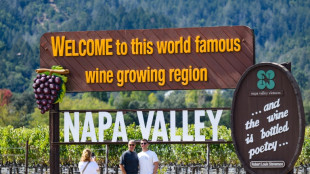 Napa Valley's wineries feel Trump's tariff squeeze

 Venezuela protests demand return of Nobel winning leader Machado

 Marquez tops incident-packed opening practice for Australian MotoGP

 New York votes to ban Central Park horse carriages after decades of debate

 Australia face selection headaches after 'shambolic' South Africa defeat

 Around 150,000 rally in Belgrade as Serbia heads to pivotal poll

 Hamilton sets sights on racing in African grand prix

 Bournemouth hammer 10-man Milan, Juventus denied at the death

 Judge orders Trump to give deposition in BBC lawsuit by Dec 11

 'Fake' pollsters hit US midterms

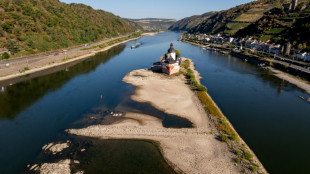
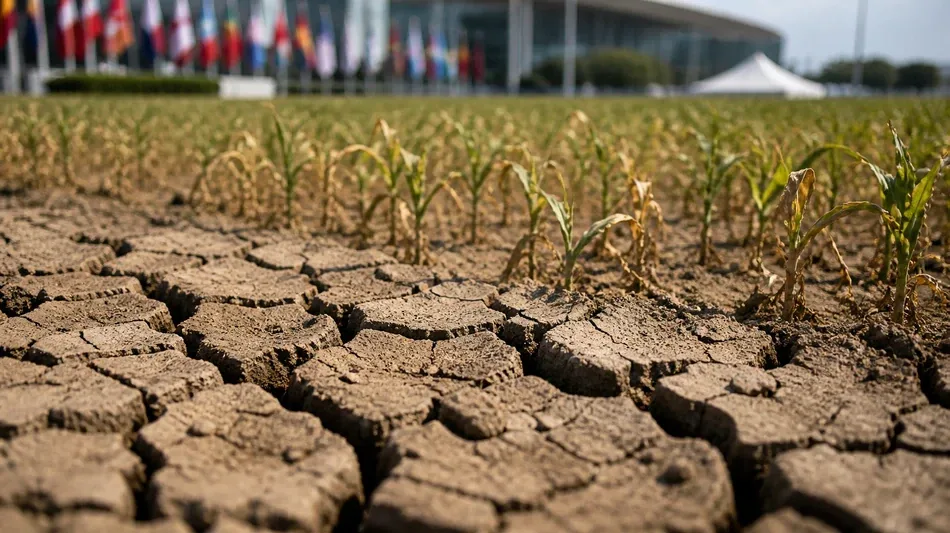
Scientists at UNCCD COP17 warned that worsening soil degradation is threatening food systems while land and nutrition policies remain poorly connected.
Scientists and policy specialists at the UN Convention to Combat Desertification's COP17 used Food Systems and Soil Health Day on August 27 to press governments to treat soil health and nutrition as connected issues. UNCCD chief scientist Barron Joseph Orr said the separation between land policy and food policy obscures the fact that about 95% of food depends on soil.A new Food and Agriculture Organization assessment released during the meeting found that soil conditions are deteriorating across many regions. More than half of the regional assessments reviewed reported low or very low adoption of sustainable soil practices. Conditions had worsened since 2015 in 58% of assessments, while only about 10% showed improvement. Erosion was the most widespread concern: 81% of assessments rated erosion management poor or very poor, and 65% said the situation was deteriorating.South Asia was highlighted as a major pressure point. The report cited studies estimating that roughly 30% to 37% of India's land area is degraded, with about 83 million hectares affected by water erosion. Annual soil loss in India was estimated at 4.8 billion to 5.3 billion tonnes, carrying away about 8 million tonnes of plant nutrients. India, Bangladesh and Pakistan were also classified as having unsustainably high nitrogen surpluses. In India, crops absorb only about 30% to 45% of applied nitrogen, compared with a global average of 59%.Experts said long-standing agricultural subsidy systems can encourage excessive use of nitrogen fertiliser and make reform difficult. Emeline Fellus of the World Business Council for Sustainable Development cited a World Bank estimate that more than 80% of roughly $600 billion to $900 billion in annual agricultural support works against people or the environment. FAO land and water director Lifeng Li said national policies on agriculture, land, climate and biodiversity need to be coordinated rather than designed separately.FAO and UNCCD also released guidance calling for soil and land considerations to be integrated into national agricultural, climate and biodiversity planning. Separately, the Global Flagship Initiative on Food Security said its coalition has grown to more than 140 members and aims to work with at least 40 governments, improve management across more than 100 million acres of farmland and mobilise more than $10 billion in investment.
F.Mueller--VB