-
 Four dead, 15 injured in Thailand school shooting: deputy minister
-
Indonesia traps monkey to end rampage that wounded 18 people
-
 Military shake-up poses little threat to Ukraine's drone revolution
-
Food security fears mount as UK farmers battle drought
-
 Camels find unlikely home in outback Australia
-
Houthi missile attacks kill 58 Saudi-backed Yemeni govt forces
-
 Pacific nations fail to agree on statement condemning China missile test
-
Chinese activist held in Bangkok finds Canada refuge
-
 Anguish and hope: why a Tibetan set himself on fire in New York
-
Kiss takes reins as Wallabies face Japan
-
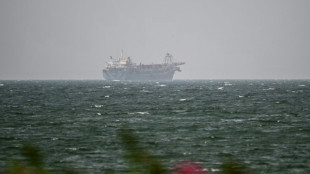 Oil extends gains and stocks fall on fresh Hormuz worries
-
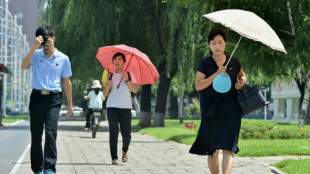
North Korea touts dog soup and other home-cooked recipes to beat the heat
-
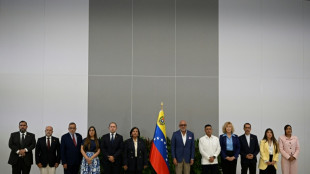 Venezuela's political transition talks wrap first day in Caracas
-
UK observatory nervously watches growing space junk threat

-
 South Africa coach Erasmus wary of struggling Argentina
-
Meta ordered to pay US state $567 mn to abate 'public nuisance' and child harm

-
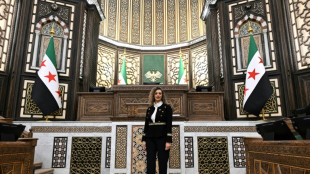 Actress, engineer, jihadist's widow among Syria's new women MPs
-
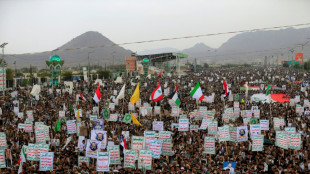
Houthi missile attacks kill 58 Saudi-backed Yemeni govt forces: source
-
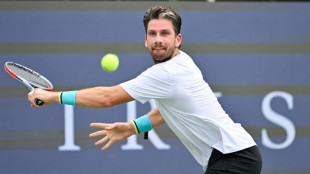 Battling Norrie survives match point to oust de Minaur
-
No.1 Sabalenka and Pegula advance at Toronto
-
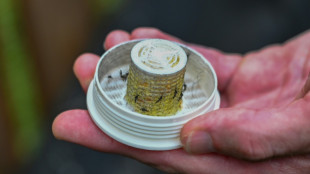 US firm takes on backyard mosquitoes -- with 600,000 mosquitoes
-
China missile test top of agenda as Pacific diplomats meet in Fiji
-
 Thousands protest private property legislation in Argentina
-
Most UK teens to opt out of planned social media curfew: poll

-
 Battling Norrie survives match point to oust de Minaur at Montreal
-
Venezuela's political transition talks launch in Caracas
-
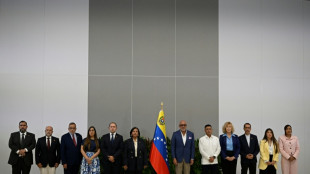 Venezuela's political transition talks start: AFP
-
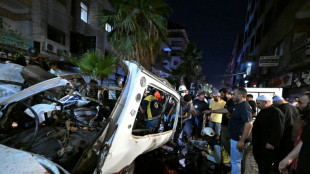
2 killed, 13 wounded in bus blast near Syrian capital: state media
-
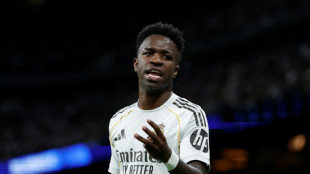 Real Madrid extend Vinicius deal, sign Diomande in title bid boost
-
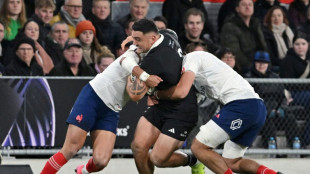
All Blacks skipper Taylor cautiously recovering from calf strain
-
 PSG sign France midfielder Akliouche from Monaco
-
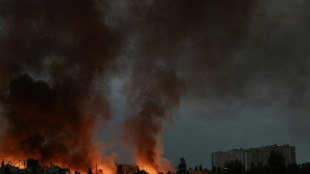
UN chief denounces Russia, Ukraine for civilian deaths
-
 CONMEBOL 'expresses concern regarding repeated unilateral actions' by FIFA
-
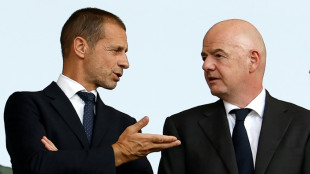
UEFA turn up the pressure on Infantino and repeat boycott threat
-
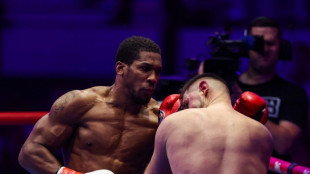 Warren coy over whether Fury-Joshua will be in UK or US
-
Rodri approves Barcelona transfer talks with Man City: Barca source to AFP

-
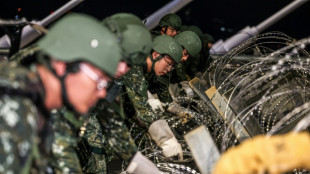 Taiwan blocks key bridge in drill for potential Chinese invasion
-
Venezuela unable to tally missing from cataclysmic quakes
-
 Migrant children risk abuse on streets of Ceuta, aid groups warn
-
Le Court sprints to stage six Tour de France Femmes win

-
 Oil price shoots up as stocks tread water
-
Doping body says Parker's positive cocaine test caused by nutritionist
-
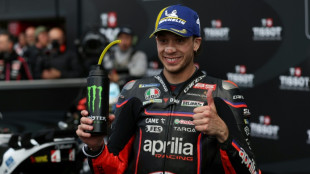 British Grand Prix stays on MotoGP calendar until 2028
-
UEFA says boycott of World Cups stands despite FIFA backdown on private investment
-
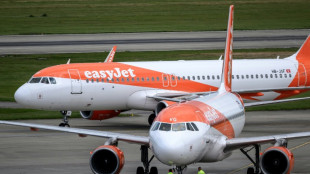 Britain's EasyJet flies into US hands as takeover confirmed
-
Rheinmetall sales keep surging despite cancelled naval frigate project
-
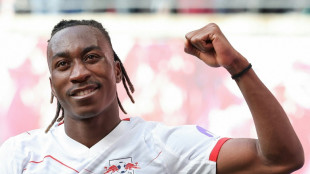 Real Madrid sign Ivory Coast winger Yan Diomande
-
Pogacar teammate Del Toro gets new UAE deal after Tour podium
-
 How online disinformation fuelled Ceuta migrant surge
-
Stocks tread water with earnings, tech in focus
Clock ticks down on global plastic pollution treaty
Negotiators trying to secure a global agreement on tackling the scourge of plastic pollution were frantically trying to find common ground with just hours left on Thursday.
Countries wanting bold action to turn the tide on plastic garbage were trying to build last-minute bridges with a group of oil-producing nations -- after three years of talks.
"We need to have a coherent global treaty. We can't do it on our own," Kenya's Environment Minister Deborah Barasa told AFP. Kenya is in the High Ambition Coalition group of countries.
Barasa suggested nations could strike a treaty now, then work in some of the finer details further down the line.
"We need to come to a middle ground. There's some compromise that may need to be done, and then we can have a step-wise approach in terms of building up this treaty... and end plastic pollution.
"We need to leave with the treaty."
- Macron's call to action -
With 15 million tonnes of plastic dumped in the ocean every minute, French President Emmanuel Macron asked: "What are we waiting for to act?"
"I urge all states gathered in Geneva to adopt an agreement that truly meets the scale of this environmental and public health emergency," he said on X.
All eyes were on whether the chair of the talks, Luis Vayas Valdivieso, would come up with a radically improved draft text.
The Ecuadoran diplomat's previous attempt was shredded on impact Wednesday as one country after another branded it unacceptable.
The High Ambition group dismissed it as an empty document, shorn of bold action such as curbing production and phasing out toxic ingredients. They argued it had been reduced to a waste management accord.
For the so-called Like-Minded Group, led by Gulf states it crossed too many of their red lines. They said it had not done enough to narrow the scope of what they might be signing up for.
The group is a cluster of mostly oil-producing states that includes Saudi Arabia, Kuwait, Russia and Iran.
They want the treaty to focus primarily on waste management.
- Tension as clock ticks -
Multiple regional groups huddled in meetings early Thursday.
"It is very tense," Greenpeace delegation chief Graham Forbes told AFP.
"These final hours are critically important. We need to see meaningful obligations in this text -- and now is the moment to do it."
The two key cross-regional blocs -- the High Ambition Coalition and the Like-Minded Group -- were to have their own meetings before marching back into the plenary session, which brings all the negotiating countries together in the UN Palais des Nations' main assembly hall.
The plenary was pushed back by four hours to 1700 GMT as talks went on in the meeting rooms.
One senior Western negotiator, who was among those who had skewered the previous draft, told AFP: "It's all up in the air."
- 'A lot of ugliness' -
"It's very simple: there are only two scenarios: there's bad and very bad -- and a lot of ugliness in between," Aleksandar Rankovic from The Common Initiative think-tank, he told AFP.
"The bad scenario is that countries adopt a very bad treaty.
"The very bad is that they don't agree on anything, and they either try to reconvene," or the treaty is "kept in limbo for a long time -- so practically abandoned".
The problem is so ubiquitous that microplastics have been found on the highest mountain peaks, in the deepest ocean trench and scattered throughout almost every part of the human body.
After three years and five previous rounds of talks, negotiators from 185 countries have been working at the United Nations in Geneva since August 5 to try to conclude a first international accord on dealing with plastic pollution.
The Geneva meeting, he said, "should conclude with a formal treaty that will be acceptable to all".
The World Wide Fund for Nature told AFP that ambitious countries "must have by now recognised that there is no possible text that will be acceptable to all UN member states". It urged ministers to table their own text.
K.Sutter--VB