IMF warns climate shocks may increase conflict deaths / Photo: © AFP/File

 Indians living in Japan on stand-by to house Asian Games athletes

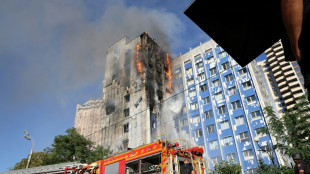 Trump signs bill authorizing sweeping Russia sanctions

 Protesters form human chain at Kennedy Center after Trump threat

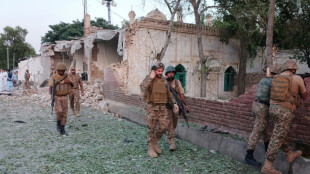 Death toll from attack at police HQ in Pakistan rises to 31

 Trump says Denmark to give US 'permanent control' over Greenland security
 Kennedy Center: future unclear for iconic Washington arts hub

 Trump claims 'infinite' Greenland security deal with Denmark

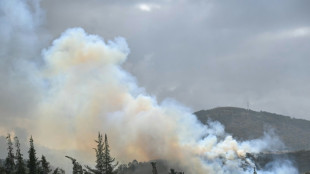 Helicopters battle wildfire threatening Ecuador's capital

 Brentford batter Chelsea to undo Alonso's promising start
 Kane hits Bundesliga century as Bayern rout Union
 Trump says CNN, MS NOW, Politico banned from White House
 Hushing and hedging: US companies retreat on climate

 Springboks to face Fiji before 2027 Rugby World Cup

 Nigeria miners struggled to breathe in cell before 37 died: survivors

 McIlroy on the charge at PGA Championship as Reed withdraws

 McIlroy on the charge at PGA Championship

 Crisis-wracked Volkswagen warns of 10-bn-euro hit to profits

 Costa Rica's Grynspan tops third informal poll for UN chief: diplomat

 Stock markets retreat after central bank rate hikes

 Russia labels director of Cannes Grand Prix winner a 'foreign agent'

 Macron warns of Russian 'hybrid' threat after meeting presidential hopefuls

 UN holds third informal poll for new chief

 Kulusevski return can spark Spurs: De Zerbi

 Shakira to cap off world tour with Madrid 12-gig run

 Isolated Syrian-Druze city blames Damascus for shortages

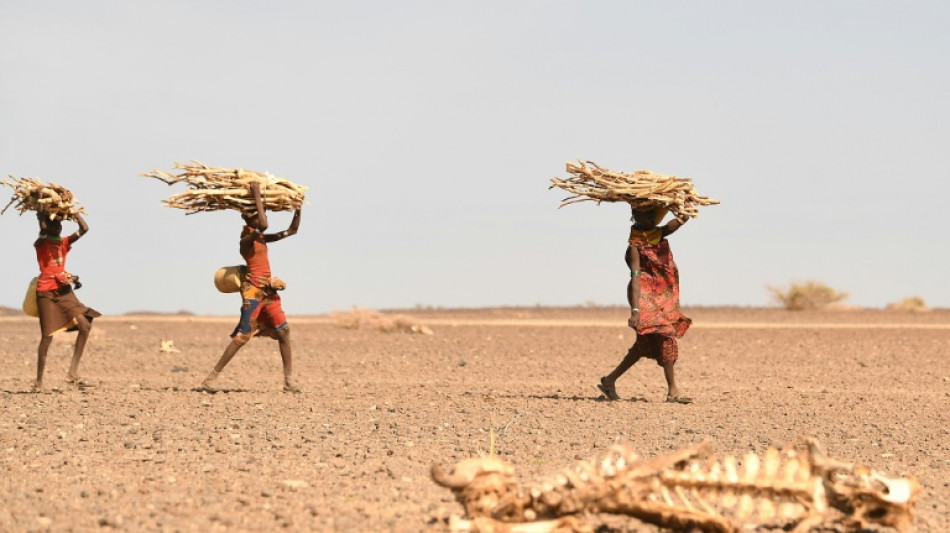
Climate change threatens to exacerbate conflict in fragile nations across the globe and lead to increased deaths, the International Monetary Fund (IMF) said in a report published Wednesday.
While climate shocks alone may not trigger new unrest, the Washington-based IMF said, they "significantly worsen conflict, compounding fragility" such as hunger, poverty and displacement.
By 2060, conflict deaths could increase by 8.5 percent as a share of the population in so-called fragile and conflict-affected states (FCS), and by up to 14 percent in those nations facing an extreme increase in temperatures, the report said.
In all, 39 countries that are home to nearly one billion people and 43 percent of the world's poor are classified as FCS by the World Bank.
More than half of these nations, which are disproportionately burdened by climate change, are in Africa.
Over 50 million more people in these countries could be driven into hunger by 2060 due to lower food production combined with higher prices, the IMF warned.
Economic losses resulting from climate shocks are more "severe and persistent" in fragile nations than in other countries, it added.
In a separate blog, the IMF said it was vital that leaders gathering next week in Kenya for the first African Climate Summit come up with solutions for vulnerable nations.
"Each year, three times more people are affected by natural disasters in fragile states than in other countries. Disasters in fragile states displace more than twice the share of the population in other countries," the blog said.
The IMF said that by 2040, these nations could face 61 days a year of temperatures above 35 degrees Celsius (95 degrees Fahrenheit) on average -— four times more than other countries.
"Extreme heat, along with the more frequent extreme weather events that come with it, will endanger human health and hurt productivity and jobs in key sectors such as agriculture and construction."
The September 4-6 summit in Nairobi aims to address the urgent climate challenges facing the continent of 1.4 billion people and comes ahead of the next round of UN climate talks in the United Arab Emirates in November and December.
For years, African governments have been demanding that the world's top polluters pay for the harm their emissions have caused.
"In the lead-up to COP28 in Dubai, it is essential to consider climate and conflict together," International Crisis Group senior analyst Nazanine Moshiri said in a note to AFP ahead of the summit.
"We only need to consider the situation in the Horn of Africa, where climate change and conflict feeds further instability with five consecutive poor rainy seasons, unprecedented floods and the world's worst food emergency," Morishi added.
M.Furrer--BTB