Poorer nations need $60 bn a year to protect nature: NGOs / Photo: ©

 Allen lights up Bills' new stadium with 41-31 win over Lions

 Afghan medical students in Pakistan hope court stops college expulsions

 AI doomsday warnings unlikely to slow IPOs but questions linger
 ICC eyes China in bid to expand cricket

 Nkunku craving freedom and fun on RB Leipzig return

 Bhutan's traditional archers lose ground to development
 Asian stocks track Wall St rally as oil prices drop

 South Korea makes Asian Games complaint over Japan warlord ceremony
 US aid cuts are killing Kenyan sex workers

 October 7 survivors, families take centre stage in Israel vote

 Captain Mat Ryan axed from Socceroos squad for Brazil games

 US approves sale of 48 F-35 jets to Saudi Arabia

 Juventus, Palace cruise to Europa League wins, Bournemouth beat Sociedad

 Stocks climb as oil retreats, Fed calms inflation fears

 Russians begin voting in controlled election as war drags

 Hispanics feel 'betrayed' on immigration, Republican warns Trump

 High-scoring Bears face Vikings in battle of NFL unbeatens
 'In our lane': Fed's Warsh defies Trump but still fighting for credibility

 Trump admin makes major cut to endangered species protections

 Princess Diana's brother makes new explosive claims against Charles

 Ovechkin on Russian political video: 'I support my country'
 Can we shut down AI?

 Teenager Sullivan named in new-look US squad
 Travis Scott and Keith Richards feature on GTA VI soundtrack

 AFP photo shows Trump examining image of apparent Kennedy Center razing
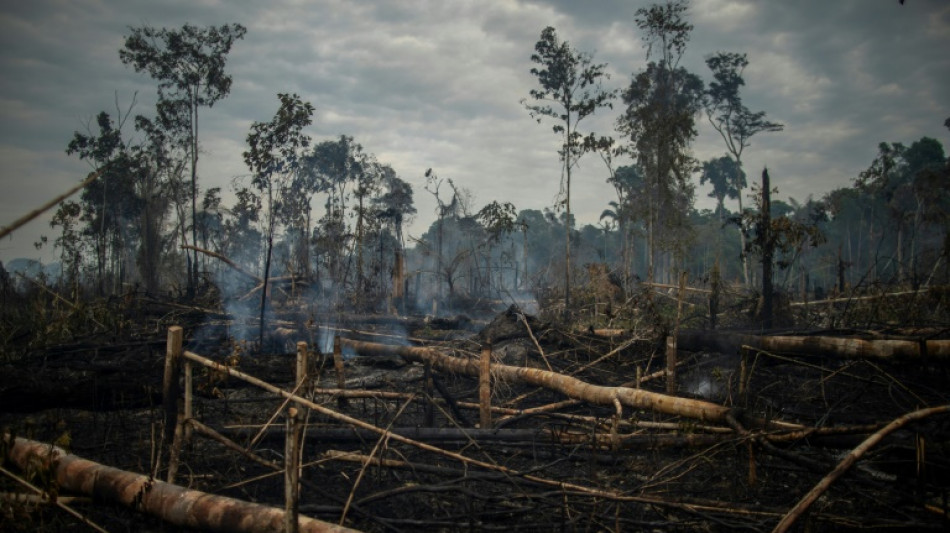
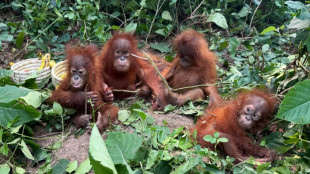
Wealthy countries should provide at least $60 billion every year to the world's poorest nations to combat biodiversity loss, an alliance of environment groups said Tuesday.
The appeal by WWF, the International Union for Conservation of Nature (IUCN) and other green groups was launched on the sidelines of a major UN environment meeting in Nairobi.
It comes ahead of key talks for a UN biodiversity summit to be held in China that will see nations hammer out conservation targets for the next decade.
The $60 billion (53.67 billion euros) would address "the disproportionate impact of wealthy country consumption habits on biodiversity," the signatories said in a joint statement.
"Wealthy nations are driving much of the loss of nature in developing countries through imported goods and have a responsibility to address this impact," said Brian O'Donnell, director of Campaign for Nature.
Some $844 billion annually is needed to address the loss of biodiversity and nature -- some $711 billion more than is being spent today, the NGOs said.
An boost in financial assistance should go hand in glove with an end to public and private investment that damages the environment, said Marco Lambertini from WWF.
"It is feasible. It requires political will to make it happen," Lambertini said of the $60 billion target.
"It is not a tax for biodiversity. This is an investment" and made clear business sense, he added.
A pledge by wealthy nations to provide the developing world with $100 billion annually to deal with the climate crisis has not been fulfilled.
A major UN report on climate change released Monday stressed the protection of biodiversity and ecosystems in the fight against global warming and its impacts.
"Ending the biodiversity crisis is as important to the future of humanity as stopping climate change," said Patricia Zurita from Birdlife International, a signatory of the funding appeal.
O.Bulka--BTB