World funds own destruction with $1.8 tn subsidies: study / Photo: ©

 Allen lights up Bills' new stadium with 41-31 win over Lions

 Afghan medical students in Pakistan hope court stops college expulsions

 AI doomsday warnings unlikely to slow IPOs but questions linger

 ICC eyes China in bid to expand cricket

 Nkunku craving freedom and fun on RB Leipzig return

 Bhutan's traditional archers lose ground to development
 Asian stocks track Wall St rally as oil prices drop

 South Korea makes Asian Games complaint over Japan warlord ceremony

 US aid cuts are killing Kenyan sex workers

 October 7 survivors, families take centre stage in Israel vote
 Captain Mat Ryan axed from Socceroos squad for Brazil games

 US approves sale of 48 F-35 jets to Saudi Arabia

 Juventus, Palace cruise to Europa League wins, Bournemouth beat Sociedad

 Stocks climb as oil retreats, Fed calms inflation fears

 Russians begin voting in controlled election as war drags

 Hispanics feel 'betrayed' on immigration, Republican warns Trump

 High-scoring Bears face Vikings in battle of NFL unbeatens
 'In our lane': Fed's Warsh defies Trump but still fighting for credibility

 Trump admin makes major cut to endangered species protections

 Princess Diana's brother makes new explosive claims against Charles

 Ovechkin on Russian political video: 'I support my country'

 Can we shut down AI?

 Teenager Sullivan named in new-look US squad
 Travis Scott and Keith Richards feature on GTA VI soundtrack

 AFP photo shows Trump examining image of apparent Kennedy Center razing

The world must slash $1.8 trillion in annual subsidies that destroy the environment, according to a study Thursday from business groups including one founded by tycoon Richard Branson.
The report, estimating the value of damaging state subsidies, was commissioned by Branson's nonprofit initiative The B Team and global coalition Business for Nature, which comprises academic, corporate and environmental organisations.
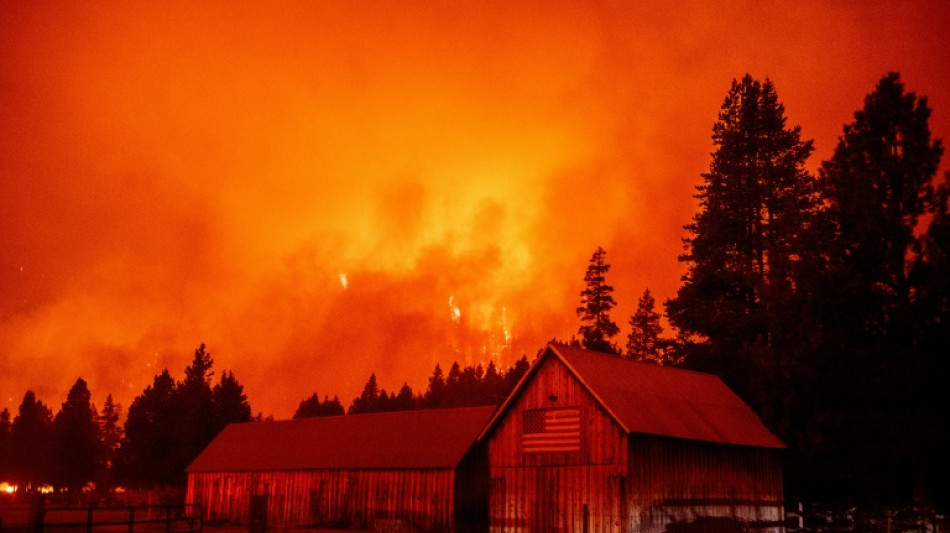
The vast subsidies, totalling two percent of global GDP, fund the "global destruction of nature" and governments worldwide must act, the two organisations added in a statement.
The study "finds the fossil fuel, agriculture and water industries receive more than 80 percent of all environmentally harmful subsidies per year", the organisations concluded.
And they called upon governments to "redirect, repurpose or eliminate" those subsidies by 2030 to help "finance a net zero global economy".
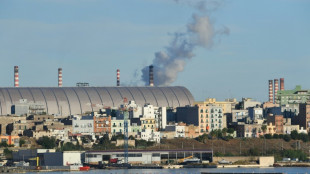
Governments across the world pay an estimated $640 billion in support to the fossil fuel industry, contributing to climate change, air and water pollution and land subsidence, the study found.
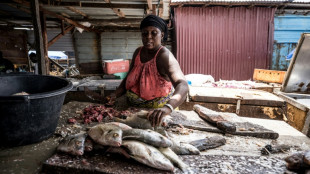
Agriculture receives some $520 billion in subsidies that contribute towards soil erosion, water pollution, deforestation, greenhouse gas emissions and loss of biodiversity and natural habitats, it claimed.
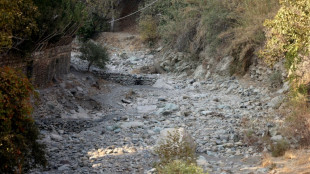
And another $350 billion in subsidies for the water industry is said to help fund water pollution and risk ocean and waterway ecosystems.
"Nature is declining at an alarming rate, and we have never lived on a planet with so little biodiversity," said Christiana Figueres, head of The B Team's climate working group.
"At least $1.8 trillion is funding the destruction of nature and changing our climate, while creating huge risks for the very businesses who are receiving the subsidies."
She added that "harmful subsidies must be redirected towards protecting the climate and nature, rather than financing our own extinction".
The study was published one month before the next phase of the UN biodiversity summit COP15 in Geneva.
The research was based on data from the International Energy Agency watchdog and the Organisation for Economic Co-operation and Development, which is a club of industrialised economies that includes wealthy G20 members.
N.Fournier--BTB