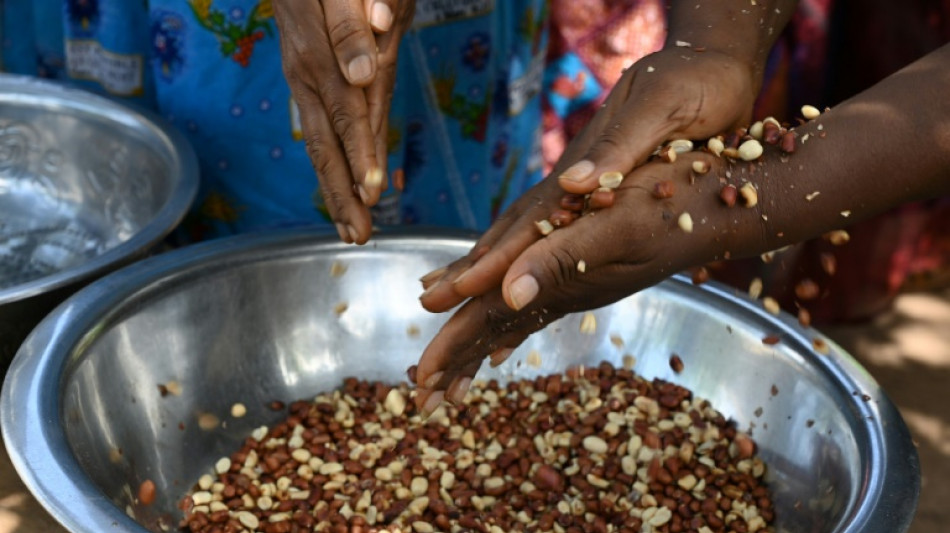
Australia launches landmark peanut allergy treatment for babies / Photo: © AFP/File

 Typhoon Dujuan leaves four dead in Japan, 45,000 houses without power
 G7 leaders condemn Houthi strikes on Saudi Arabia

 Google data centre sparks protests in Austria

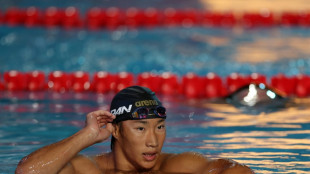 Shin Ohashi: Junk food-loving teen and Japan's next big swimming hope

 Stocks rise on AI buzz, drop in oil prices

 China's robot dancers limber up for America's Got Talent final

 Despite military might, Saudi struggles to crush the Houthis
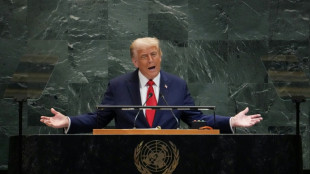 Trump to tout deals, defend Iran war in UN speech
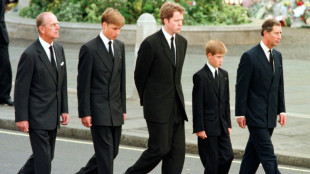
 Sri Lanka to issue verdict in landmark Easter attack trial
 Macron says talks with Trump on Red Sea, Ukraine 'constructive'

 Green policies just good politics, says UK minister
 Bardot auction in Paris fetches nearly one million euros
 No timeline on Daniels injury return, says Commanders coach

 British Columbia sues OpenAI in US court over Canada school shooting

 French star Batum retires after 18-year NBA career

 Zidane leads first France training session
 Man shot by ICE agent in Texas detained with bullet inside him: lawyer

 California declares state of emergency ahead of El Nino
 South Africa arrests three more suspects, after nine women murdered
 Carse needs time away from England, says captain Brook

 NOWPayments Releases Cross-Chain Payout Data Revealing Key Performance Benchmarks Across TRON, BNB Chain, and Solana

 British Museum bans photos of Bayeux Tapestry as crowds linger
 COP31 host says AI climate footprint to be a summit priority

 Berlin's far-left vote winners reject anti-semitism charges

 Mancini eager for 'new adventure' on Italy return

Australian children with potentially deadly peanut allergies will be offered life-saving treatment in a nationwide programme touted as a world first.
Eligible babies will receive daily doses of peanut powder for two years to build up their tolerance, said officials announcing the initiative on Wednesday.
Over time, the infants will be given increasing doses in the hope of reducing their sensitivity to peanuts, under the supervision of doctors at 10 paediatric hospitals around the country.
It is the first national peanut allergy treatment programme offered in hospitals outside of a clinical trial setting, said Kirsten Perrett, head of oral immunotherapy at the National Allergy Centre of Excellence.
At the end of the two years, a food allergy test will determine if the treatment has led to a remission.
"Ultimately we want to change the trajectory of allergic disease in Australia so that more children can go to school without the risk of a life-threatening peanut reaction," Perrett said.
Previously, families have been told to ensure their children strictly avoid foods with peanuts.
Australian children have some of the highest rates of food allergies in the world.
Peanut allergies affect three percent of Australian children by the time they are 12 months old, government data shows.
Of those, only 20 percent will outgrow their allergy by the time they are teenagers.
Nine-month-old Hunter Chatwin, who is among those in the free treatment programme, started developing hives after eating peanut butter.
"We are taking part in the programme to try and improve his chance of being able to safely eat peanut in the future," Hunter's mother Kirsten said.
"Many families are desperate to protect their children from allergic reactions and anaphylaxis," she said.
"To have this programme available and free at public hospitals is a game-changer."
If successful, the programme will be rolled out more broadly, including in regional and remote areas.
Deaths from peanut allergies are rare in Australia, but almost 20 percent of the population has an allergic disease, data from Australia's leading allergy institute found.
This figure is estimated to grow by 70 percent by 2050, impacting 7.7 million Australians.
L.Wyss--VB