World Bank slashes China growth forecasts on Covid woes, property crisis / Photo: © AFP

 Marchand 'stressed' about racing Japanese rivals at LA Olympics

 Mobile boat clinics bring healthcare to India's remote islands
 Former India paceman Zaheer Khan named Chennai coach in IPL

 Six-year-old Chinese girl sets world record with Rubik's Cube

 Swimming prodigy Yu, 13, says 'interviews way harder than racing'

 Star coaches make their bows as Nations League returns
 Rams bounce back as Giants reel from Dart injury

 In Bangladesh, Pakistan's Jinnah photo stirs anger

 Two New Zealand naval ships transit Taiwan Strait

 Zidane gets down to work as France start new era

 Inside the Venezuelan prison meant to 'drive you insane'
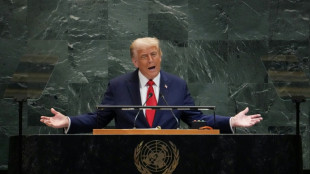
 UK king braces as memoir by Diana's brother goes on sale

 No green light to lift EU sanctions on Russian oligarchs, talks to resume

 UK agrees support for Saudi in struggle with Houthis: reports

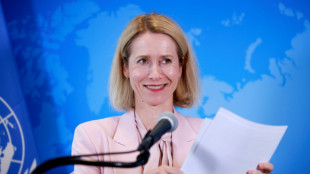 EU foreign policy chief calls for continued sanctions on Russia

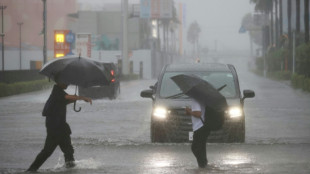 Flights scrapped, evacuations urged as Typhoon Dujuan wallops Japan

 Fonseca to take break from tennis

 A Cuban zoo, and its animals, in epic battle for survival

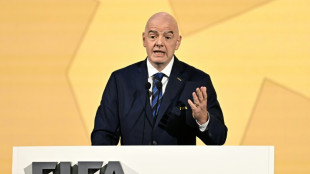 Infantino proposes consulting federations to reform FIFA

 El Nino weather pattern enters record territory: scientist

 OpenAI calls for US to lead global effort on AI standards

 South African ostriches plucked alive for luxury fashion: report

 US networks halt Trump coverage in revolt over White House ban

 Paramount settles with US states to clear Warner Bros. mega-merger
 Climate crisis a job for world leaders, not just activists: UK FM

The World Bank on Tuesday slashed its China growth forecast for the year as the pandemic and weaknesses in the property sector hit the world's second largest economy.
In a statement, the institution slashed its forecast to 2.7 percent from 4.3 percent predicted in June. It also revised its forecast for next year from 8.1 percent down to 4.3 percent.
Both figures are well below Beijing's GDP growth target of around 5.5 percent for the year, a figure many analysts believe is now unattainable.
"Economic activity in China continues to track the ups and downs of the pandemic -- outbreaks and growth slowdowns have been followed by uneven recoveries," the World Bank said.
"Real GDP growth is projected to reach 2.7 percent this year, before recovering to 4.3 percent in 2023, amid a reopening of the economy."
After years of sudden lockdowns, mass testing, long quarantines and travel restrictions, China this month abruptly abandoned its zero-Covid policy.
But disruption to businesses has continued as cases surge and some restrictions remain in place.
Health authorities have admitted that official figures no longer capture the full picture of domestic infections now that mass testing requirements have been dropped.
"Continued adaptation of China's Covid-19 policy will be crucial, both to mitigate public health risks and to minimise further economic disruption," Mara Warwick, World Bank Country Director for China, Mongolia and Korea, said.
Last week the IMF warned it too would likely downgrade its projections for China again, blaming a predicted continued rise in cases.
The fund cut its growth projection for China in October to 3.2 percent this year -- the lowest in decades -- while expecting growth to rise to 4.4 percent next year.
But "very likely, we will be downgrading our growth projections for China, both for 2022 and for 2023", IMF chief Kristalina Georgieva told AFP.
- Other stresses -
Experts fear China is ill-equipped to manage the exit wave of infections as it presses ahead with reopening, with millions of vulnerable elderly people still not fully vaccinated.
"Accelerated efforts on public health preparedness, including efforts to increase vaccinations especially among high-risk groups, could enable a safer and less disruptive reopening," Warwick said.
The economy is under pressure on other fronts, too.
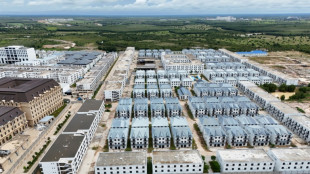
"Persistent stress" in the real estate sector -- which accounts for about a quarter of annual GDP -- could have wider macroeconomic and financial effects, the World Bank noted.
And it added that youth unemployment, the risks from extreme weather caused by climate change and the wider global slowdown also threatened growth.
The world economy is being battered by surging interest rates aimed at fighting runaway inflation that has been triggered by Russia's war in Ukraine as well as global supply chain snarls.
Beijing has sought to mitigate low growth with a series of easing measures to provide support, slashing key interest rates and pumping cash into the banking system.
"Directing fiscal resources towards social spending and green investment would not only support short-term demand but also contribute to more inclusive and sustainable growth in the medium term," said the World Bank's Lead Economist for China Elitza Mileva.
F.Pavlenko--BTB