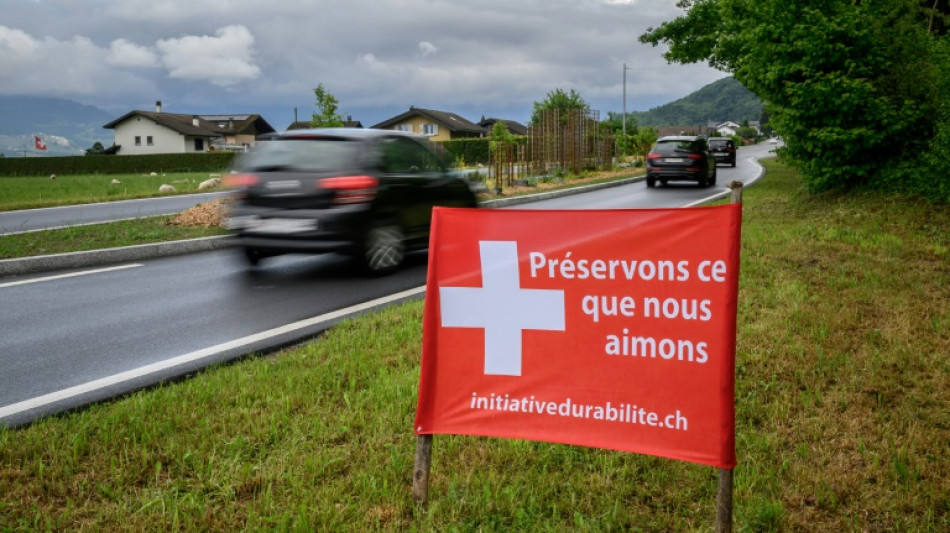
Swiss divided as population cap vote nears / Photo: © AFP

 Fury to face British rival Joshua in Cardiff on December 11
 Streamex Converts Interest Into Capital as GLDY Investment Strategy Secures $1M+ Institutional Allocation

 STARTRADER Named Best Fintech Forex Broker at Forex Expo Dubai 2026
 Japan swimmer Ohashi, 17, shrugs off Covid to smash world record

 Shin Ohashi: Junk food-loving teen and new world record-holder

 Greek PM urges 'courage' in talks with UK over Parthenon Marbles
 'I was drowning': Iran Nobel winner exposes pain of separation from children

 Israel's US envoy says son fighting for life

 Olympic champion Yulo completes gymnastics gold collection at Asian Games
 England cannot imitate Spain's success, says Gordon

 Hungary detects invasive spotted lanternfly for first time in EU

 Ο Alex Bodi και ο καθηγητής Δρ. Stefan Haupt συμφωνούν σε συνεργασία για μια θρυλική συλλογή έργων τέχνης στη Ρουμανία
 France's top-selling newspaper to slash jobs
 Tigray rebels in 'full-blown' war with govt

 Alex Bodi och prof. dr Stefan Haupt ingår samarbetsavtal om en legendarisk konstsamling i Rumänien
 อเล็กซ์ โบดี และศาสตราจารย์ ดร. สเตฟาน ฮาปท์ ตกลงร่วมมือกันในการจัดตั้งคอลเลกชันศิลปะอันเป็นตำนานในโรมาเนีย
 Alex Bodi a prof. dr. Stefan Haupt se dohodli na spolupráci na legendární umělecké sbírce v Rumunsku
 알렉스 보디와 슈테판 하우프트 교수, 루마니아의 전설적인 미술품 컬렉션을 위한 협력 합의

 BaazEX Enters the Asian Trading Market With a New Approach to Online Forex Trading.

 Asian markets fall on US-China jitters as leaders meet
 Thais hail teen rocker Nene for 'America's Got Talent' win

 Zverev, Agassi defend 'spectacular' Laver Cup
 Eel-powered Japan whizz-kid, 11, dominates in historic Games debut
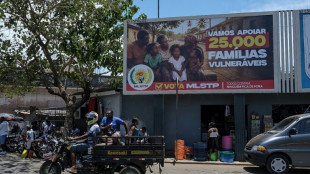
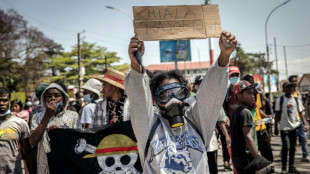 Madagascar's Gen Z 'betrayed' after ushering in new rule
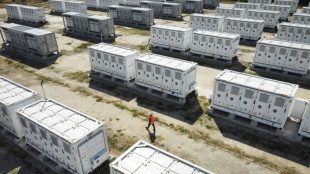
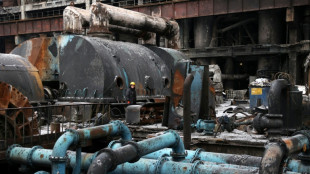 As Moscow steps up attacks, Kyiv residents brace for harsh winter

The Swiss will vote next month on an initiative to cap the population at 10 million -- an anti-immigration proposal that is fracturing public opinion in the wealthy Alpine nation.
"No to a Switzerland of 10 million inhabitants," is the name of the project launched by the country's biggest party, the hard-right Swiss People's Party (SVP), renowned for its opposition to immigration and closer ties with the European Union.
The initiative's backers maintain that Switzerland, with its 9.1 million people, is buckling under the burden of "mass immigration", calling for a strict population cap.
Most other political parties, the Swiss government and parliament are urging voters to reject the initiative on June 14, warning of disastrous consequences.
Recent opinion polls suggest the two sides are neck and neck.
Those behind the initiative blame immigration for a host of problems in Switzerland, including housing shortages, rising rents, overdevelopment, traffic jams and overcrowded trains, as well as increased crime and a strained healthcare system.
To fix the problem, they want to "limit immigration to a reasonable level" and ensure the population goes no higher than 10 million before 2050.
Official Swiss statistics indicate that the country's population is on track to hit 10.5 million by 2055.
- Implications for EU relations -
The SVP-led proposal says that if the population surpasses 9.5 million before 2050, the Swiss authorities would have to take a first set of steps, notably in the areas of asylum and family reunification.
And if the population still hits 10 million before 2050, Switzerland must, after two years, terminate its freedom of movement agreement with the surrounding EU, of which it is not a member.
This is a red line for many, as it would mean the agreements signed with Brussels in 1999 and 2004 -- which allow Switzerland broad access to the European single market -- would become obsolete.
A so-called guillotine clause means that denouncing one pillar of the deal brings the whole agreement down.
"Switzerland's participation in the EU's Schengen and Dublin agreements would also be called into question, thereby jeopardising close cooperation in the areas of security and asylum," warns the government, which is recommending a No vote.
- No 'miracle solution' -
The proposal has sparked widespread opposition across the rest of the Swiss political spectrum.
The Greens call it an "anti-foreigner" move; the Socialists brand it a "chaos initiative", while the centrists call it a "superficial solution".
"I can understand that some people -- wrongly in my opinion -- consider ending the free movement of people a miracle solution," said Cyril Aellen, vice-president of the centrist FDP.The Liberals, the third-biggest party in Switzerland.
"But breaking all the agreements with Europe seems totally counterproductive to me," he told AFP.
Furthermore, the SVP "underestimates the very real negative consequences of a demographic slowdown", he added.
"We will have to completely rethink our pension system... This also means that our social welfare systems will need to be more heavily funded. There will therefore be a very significant impact on the cost of living."
Switzerland's German-speaking cantons are generally more in favour of immigration restrictions, while the French-speaking west is more at ease with the EU agreements.
To pass, the initiative needs both more than 50 percent of the vote and more than half of the cantons.
- Foreign population 27% -
A recent study by the University of Geneva found that the reduction in the working-age population resulting from the reform "would have negative macroeconomic effects in a context of structural labour shortages and demographic ageing".
Foreigners made up 27.4 percent of the Swiss population at the end of 2024.
Since the introduction of the free movement of people in 2002, the population has grown by around 1.7 million -- mainly due to immigration, says the government.
Sectors heavily reliant on foreign labour include the hotel and restaurant industry (46 percent foreign employees, not including cross-border workers) and construction (34 percent).
According to the university study, these sectors "would suffer the effects of a labour shortage that would be difficult to compensate for", with the notable exception of border regions.
The SVP has already made headlines with successful initiatives banning minarets and the burqa, adopted in 2009 and 2021 respectively.
In 2014, the Swiss also approved an SVP initiative reintroducing quotas for migrants, particularly from Europe, but the party believes that Bern has not implemented it fully.
R.Buehler--VB