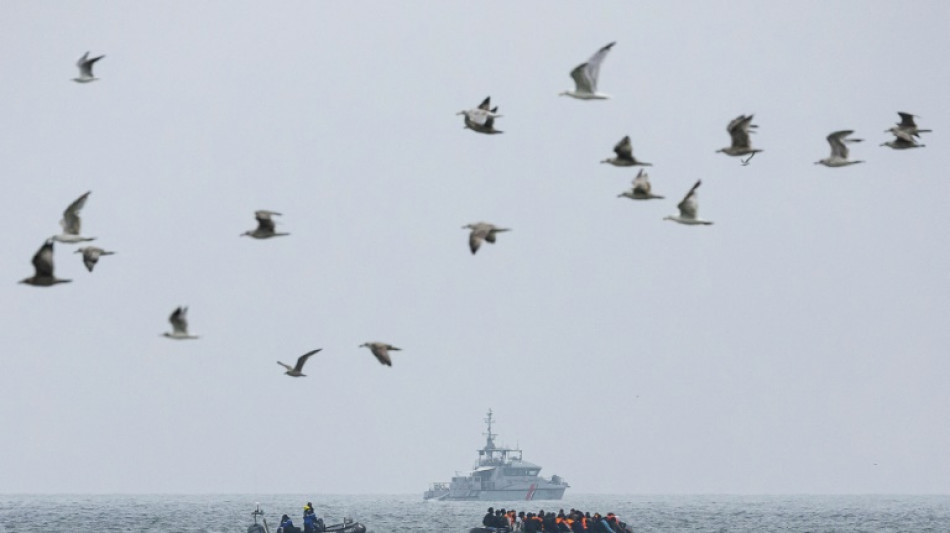
Under pressure? EU states on edge over migrant burden-sharing / Photo: © AFP

 Swiss vote on what it means to be neutral
 Pope to meet with victims of clerical sex abuse during France trip
 Iran stands firm on Hormuz plan after US rejection
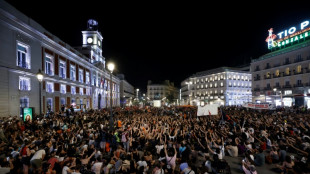 Madrid protest camp grows after eviction outrage

 Italy winemakers hail bumper harvest but cut output

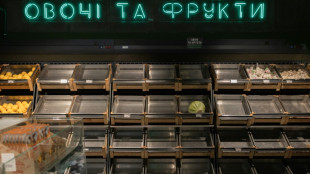 Kyiv shoppers feel the pinch from Russian strikes
 Japanese anime actor fights TikTok over AI voice cloning
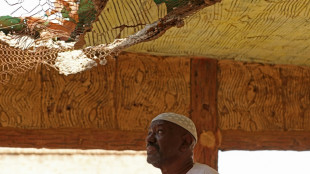
 Curtain falls on the romance of India's single-screen cinemas

 Smells like teen spirit as US thrash Peru 4-1

 Cavy chaos: Hundreds attend New Zealand's biggest guinea pig show

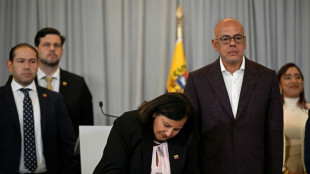 Venezuela releases more political prisoners after opposition talks

 England's best 'for a long time' despite Spain defeat, says Kane

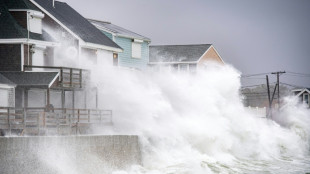 Powerful storm pummels northeast US with rain, high winds

 Filmmaker Mike Leigh wins top prize at Spain festival with 'last film'
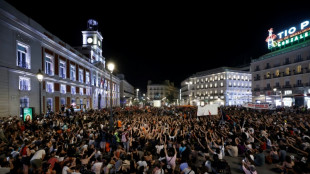
 Spain beat England in Nations League to extend unbeaten run

 Ireland squad vote to play Israel tie despite Gaza unease

 Gutsy Vollering wins cycling road race world title

 Vollering wins cycling road race world title
 Man City's meteoric rise clouded by dark shadow

 Mbappe out for two weeks or more with knee injury say Real
 Lyon collapse away to Stade and suffer first Top 14 loss
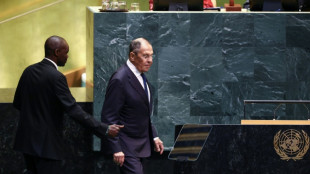 Russia accuses Europe of seeking to thwart Ukraine talks

 Man City chairman defiant over reported Premier League charges
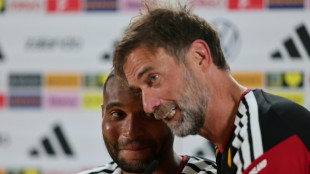 Germany ready to 'walk through fire' for Klopp, says Tah

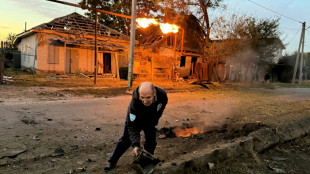 At least 16 killed in Russian and Ukrainian strikes

Which EU countries face the most pressure from migration? The question is proving deeply divisive as capitals scramble to agree by year-end how to redistribute at least 30,000 asylum seekers across the bloc.
The 27-nation European Union adopted a sweeping overhaul of its migration policies in 2024, soon to come into force.
A key element is a new "solidarity" system for managing asylum seekers, aimed at easing the burden on frontline countries such as Spain, Greece and Italy.
The idea is broadly speaking to sort member states into different categories:
-- Those deemed by Brussels to be under "migratory pressure", based on criteria such as the number of irregular arrivals and sea rescue operations.
-- Other countries, which will be required to either take in a share of asylum seekers from countries under pressure, or provide them with financial support amounting to 20,000 euros ($23,000) per person.
- Feeling the pressure -
There the trouble begins: how to decide who qualifies as "under pressure".
"You can see in the political rhetoric that everyone feels that they are under migratory pressure," said a source within the European Commission, which is tasked with sorting countries into categories.
Member states are lobbying hard to influence the methodology used.
In recent days, for instance, Sweden has pointed to the 300,000 asylum applications it received over the past decade as a high figure for a "medium-size country".
Belgium highlights that its migrant "reception centres are full", while Germany has stressed it has taken in more than a million Ukrainian refugees since Russia's invasion in 2022.
France, meanwhile, has underscored its maritime rescue operations for migrants attempting to cross the Channel to Britain.
The commission is expected to unveil its proposal next week, following nearly a month of delays.
That will form the basis for negotiations among member states on how many additional asylum seekers each is willing to accept -- or how much financial support they are ready to offer.
At least 30,000 migrants will need relocating each year under the new system, with a decision on who goes where required by the end of December.
- 'Tricky balance' -
But with governments across the bloc under pressure to tighten immigration policies, putting a hand up to take in extra asylum seekers is fraught with political risk.
"It's an extremely tricky balance to strike," said Camille Le Coz, head of the Migration Policy Institute Europe think tank.
All the more so because "countries don't trust each other on this question," she told AFP.
Several states -- including Germany, Belgium and The Netherlands -- accuse frontline countries of allowing migrants to move on into the bloc, rather than processing their asylum claims as required under EU law.
Frontline countries tend to reject the charge.
"The Germans are on edge -- there are tensions with the Italians and the Greeks over this file," said an EU diplomat, granted anonymity to discuss the sensitive matter.
"It's not easy, because everyone is watching one another and wondering: 'Will the other member state end up with a better deal?'" he said.
F.Fehr--VB