OPEC+ slated to increase oil output in bid to regain market share / Photo: © AFP/File

 AI bosses head to White House as safety pressure builds

 Batista sacked as Costa Rica coach after six months
 Flooding, power cuts and evacuations as Hurricane Polo slams Mexico

 Dodgers eye three-peat, Red Sox face Yankees as MLB playoffs begin
 Certification of Boeing 737 MAX delayed by software bug

 Celine Dion wows Paris Fashion Week with surprise gig
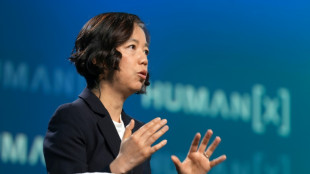 AMD buys firm founded by AI 'godmother' Fei-Fei Li
 Italy rebound in Turkey as France win late in Belgium

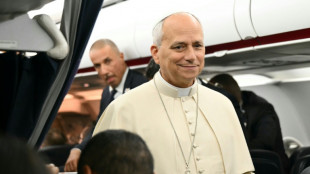 Pope says concerns about AI 'should be taken seriously'
 Hurricanes to hoist title banner as NHL season begins
 Justice Alito steps aside from major US climate case

 Willis happy with England exile after retains Top 14 player award
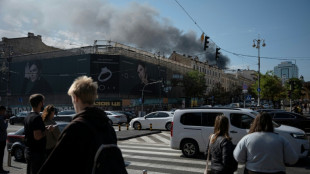
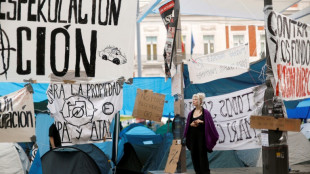 Spain housing protests keep heat on government as PM seeks new law
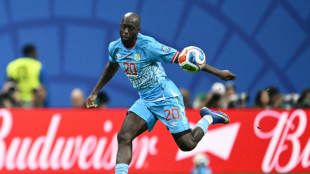 Wissa spoils Zimbabwe homecoming as DR Congo win AFCON qualifier

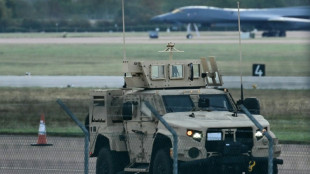 UK police release on bail five men held over airbase incident

 Ex-All Black Plummer 'sure' New Zealand will find Super Rugby solution

 Shein sees 1% revenue growth in first half of 2026
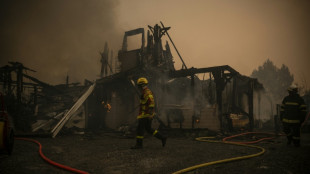
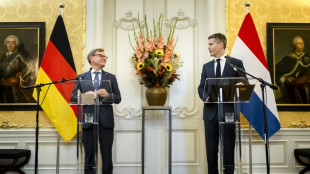 Netherlands regrets Israel retaliation in settlements row
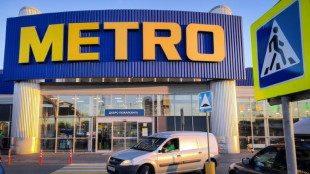 Moscow seizes Russian assets of German food retailer Metro
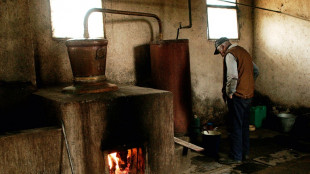 Bulgarian spirits inflamed by new rakia rules

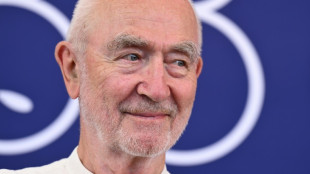 Documentary turns camera on architect Peter Zumthor
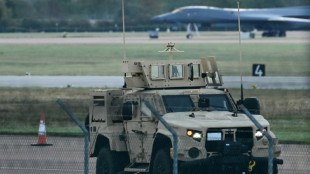 UK police say releasing on bail five men held over airbase incident
 Trump admin finalizes reversal of US fuel economy standards
 US says no China arms sale plans after envoy cites Trump offer
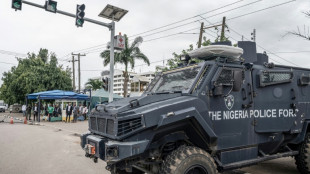 Dozens kidnapped in two weekend attacks in northern Nigeria
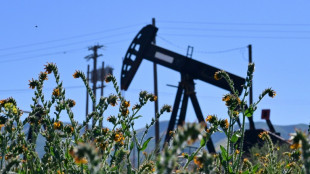
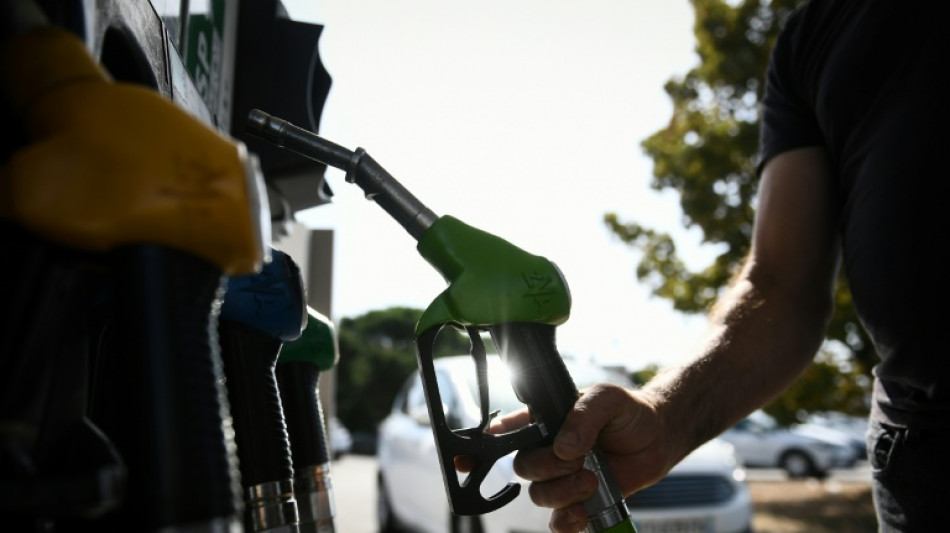
Saudi Arabia, Russia and six other key members of the OPEC+ alliance are expected to further hike oil production in a meeting Sunday, a move analysts say is aimed at regaining market share amid resilient crude prices.
The anticipated output increase by the group of eight oil-producing countries known as the "Voluntary Eight" (V8), would be the latest in a series of hikes that began in April.
In a bid to boost prices, the wider OPEC+ group -- comprising the 12-nation Organization of the Petroleum Exporting Countries (OPEC) and its allies -- in recent years had agreed to three different tranches of output cuts that amounted to almost 6 million barrels per day (bpd) in total.
Analysts expect the V8 group -- namely Saudi Arabia, Russia, Iraq, United Arab Emirates, Kuwait, Kazakhstan, Algeria and Oman -- to agree on another output increase of 548,000 bpd for September, a target similar to the one approved in August.
According to UBS analyst Giovanni Staunovo, the likely "quota increase is largely priced in" already, with the price of Brent, the global benchmark for oil, expected to remain near its current level of around $70 per barrel after Sunday's decision.
Since April, the V8 group has placed increased focus on regaining market share over price stability, a policy shift after years of enforcing production cuts to prop up prices.
- Likely pause in output hikes -
But it remains unclear which strategy the group intends to pursue after Sunday's meeting.
According to Warren Patterson, an analyst at ING, the V8 nations will likely "take a pause in supply hikes after September".
Crude prices have held up better than most analysts had predicted since the production increases began.
Experts say that is mainly due to traditionally high summer demand and significant geopolitical risk premiums being built into prices, particularly since the 12-day Iran-Israel war.
Moreover, the actual increase in production between March and June was less than the increase in quotas during the same period, said Staunovo, quoting OPEC sources.
However, the market is "set to move into large surplus" of oil supply from October, Patterson noted, warning that OPEC+ should remain careful not to be "adding to this surplus".
"OPEC+ is doing the balancing act of regaining market share and not sending oil prices plummeting", which would lead to a drop it profits, Tamas Varga, an analyst at PVM, told AFP.
Saudi Arabia, the group's most influential member, relies heavily on oil revenues to finance its ambitious plan aimed at diversifying the economy.
The unwinding of another set of production cuts of around 3.7 million bpd is to be discussed at the next OPEC+ ministerial meeting in November.
- Unstable environment -
With demand being unstable in the face of US President Donald Trump's erratic policymaking on trade and supply under threat by geopolitical risks, experts say it is difficult to predict what is next for the oil market.
In the latest twist in late July, Trump gave Moscow ten days to end the war in Ukraine, saying that his country would otherwise impose sanctions on Russia.
"We're gonna put on tariffs and stuff," he vowed.
Trump had previously hinted to an indirect 100-percent surcharge on countries that continue to buy Russian products, particularly hydrocarbons, in order to dry up Moscow's revenues.
He has specifically targeted India, the second largest importer of Russian oil at around 1.6 million bpd since the beginning of the year.
The developments could prompt OPEC+ to make further policy decisions.
However, "OPEC+ will react only to real supply disruptions" and not to price increases linked to risk premiums, said Staunovo.
G.Frei--VB