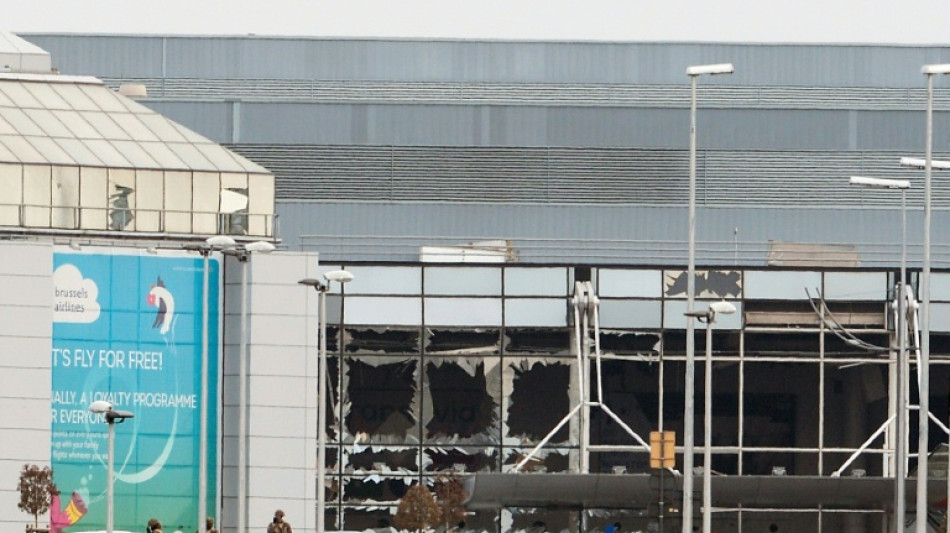
Belgium remembers Brussels jihadist attacks 10 years on / Photo: © BELGA/AFP/File

 US faces tough path to new Iran nuclear deal
 Cuba unveils historic package of free-market reforms

 Stokes set for England return in New Zealand finale - reports
 Quarantine over for almost all hantavirus ship passengers, crew
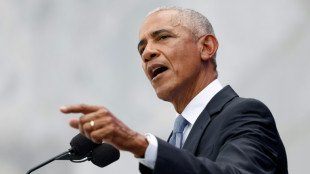 Ex-presidents and stars, but no Trump, turn out for Obama Library
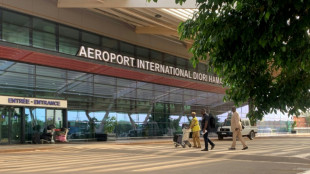 Al-Qaeda-linked jihadists attack Niger airport, 11 soldiers killed

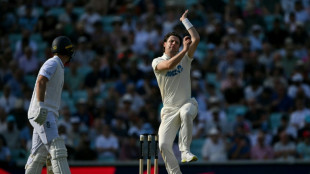 New Zealand's Henry rocks England in 2nd Test after Phillips century
 Iran's supreme leader says approved deal as US lifts ports blockade
 AI-generated videos use Down syndrome to make sales

 Spurs sign Dutch defender Van Hecke from Brighton
 Liverpool agree deal to sign Spain forward Munoz from Osasuna
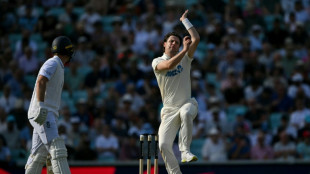 New Zealand's Henry rocks England after Phillips century
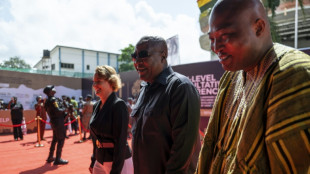
 Wildcard Eala shocks Rybakina in Berlin

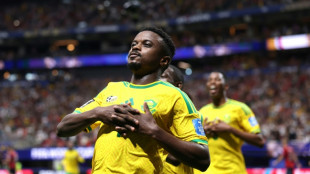 South Africa hold Czechs, keep World Cup knockout dream alive
 Important or selfish? World Cup evidence mounts against Ronaldo
 EU wrestles over tackling China export flood
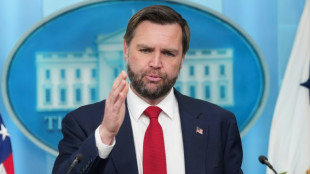
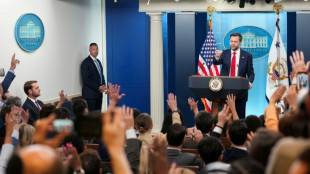
 Vance defends Iran deal, eyes Swiss talks

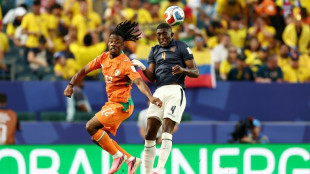 Wahi granted Canadian visa for Ivory Coast World Cup match after delay
 US lifts Iran ports blockade as uncertainty clouds Swiss Iran talks
 Brutal Shinnecock winds blow away US Open contenders

 AI-generated videos wield Down syndrome to make sales
 Man dies, trains and classes disrupted as heatwave hits France
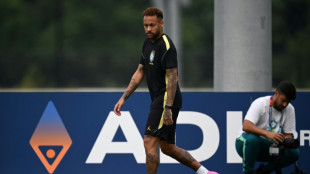 Neymar to miss Brazil's second World Cup game against Haiti
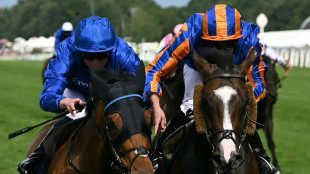 O'Brien's historic 100th Royal Ascot winner has golden glow
 Graft probe into Spanish ex-PM expanded to daughters
Belgium on Sunday marked 10 years since 2016 jihadist bombings in Brussels, a trauma that still scars the country and that authorities say sharpened focus on intelligence and counterterrorism.
The March 22, 2016 attacks claimed by the Islamic State group left 32 people dead and more than 300 wounded -- Belgium's worst peacetime massacre.
"Our country will never forget," King Phillipe told hundreds gathered around a monument to the victims. "We did not give in to fear, we did not give in to division."
He, along with Queen Mathilde and Prime Minister Bart de Wever watched as survivors recounted the harrowing scenes witnessed that morning.
The country's remembrance ceremonies began earlier Sunday at Brussels Airport in Zaventem, at 8:00 am (0700 GMT), the same time the suicide bombers struck.
Proceedings continued an hour later at the Maelbeek metro station, also targeted in the coordinated suicide blasts that ripped through the Belgian capital, before culminating at the victims' monument.
"Telling you that living this life is easy would be a lie. I wake up every day with the memories of horror. I look at my body that has been burnt, bruised and torn apart," said Beatrice de Lavalette, who lost her legs at the airport.
"Every day, I remember lying on this floor bleeding out, and in that moment I remember telling myself: 'This is not my time. I will not die here,'" said Lavalette, who became a Paralympic horse rider after the tragedy.
The Brussels attacks were the work of the same jihadist cell that struck Paris months earlier, on November 13, 2015, killing 130 people.
Having retreated to Brussels safe houses, the jihadists mounted a hastily organised attack in the days after the March 18 arrest of Salah Abdeslam, the only surviving member of the Paris attack group.
On March 22, a Tuesday morning, three suicide bombers detonated their explosives, first at Zaventem and then at the packed metro station close to the seat of EU institutions.
- 'Feeling of failure' -
The commemorations took place as the ongoing war in the Middle East has heightened the authorities' concerns about possible new attacks.
This month, a pre-dawn blast damaged a synagogue in the eastern city of Liege, causing no injuries. Over the border, the Netherlands was later hit by two similar incidents targeting the Jewish community.
In Belgium, the threat level remains "serious", at three on a four-point scale, following an October 2023 attack in Brussels that saw a gunman shoot dead two Swedish football fans before being killed by police.
Belgium was criticised for security failings in the run-up to the 2016 bombings, something the head of the country's OCAM national threat analysis centre, Gert Vercauteren, said he remembers well.
"It's a feeling of failure that obviously hit us all," he said in an interview with AFP.
In the aftermath of the bombings, the Belgian government was left reeling.
Two ministers offered their resignations after Turkey said Belgium had ignored warnings from Ankara, which had deported airport bomber Ibrahim El Bakraoui in 2015 following his arrest near the Syrian border.
- 'Struggle for recognition' -
"Those responsible for our security have a duty to take the lessons of the past to heart. I take that duty very seriously," Prime Minister De Wever posted on X before attending the ceremonies.
Today, Belgium's justice system, police and intelligence services assert they have significantly improved information sharing.
The number of state security service staff has increased from 600 to 950 agents in a decade. "We have learnt the right lessons," asserted Vercauteren.
The creation of a shared database on extremist profiles was "a major step forward", he said.
This database, which all security services, including municipal police forces working with community outreach staff, can access and contribute to, is constantly updated.
Last year, it contained 555 names "under priority monitoring", 86 percent of whom were flagged for "Islamist extremism", according to OCAM.
But some victims complain that even 10 years after the attacks, they are still unable to have their physical or psychological injuries recognised, limiting their right to compensation.
"Many victims and many relatives feel abandoned. This is a struggle for recognition and financial justice," said Edmond Pinczowski, who lost his two adult children, Alexander and Sascha, at the airport.
F.Wagner--VB