How a taxi driver in El Salvador got rich with Bitcoin / Photo: © AFP

 Cambodia no 'safe haven' for cyberscams, PM says
 North Korea weightlifter sets three world records for Asian Games gold
 A Full Moon for Every Child: STARTRADER's STARCARES Brings Support to SOS Children's Village Ho Chi Minh City
 Meta leans into AI, smart glasses amid privacy pushback
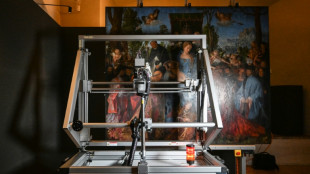 Battered Duerer masterpiece up for five-year revamp
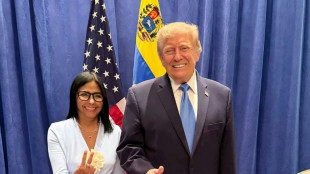 Trump met with Venezuela's interim leader at UN

 Malaysia furore after Najib wins conditional house arrest
 Italy hope for new dawn under Mancini

 Mongolian herders enlist new tech against harsher, drier climate
 Tata turmoil shines light on India succession woes
 World Cup 'not enough' as Spain begin next chapter
 Meta acts against 3.7 mn scammers' accounts with Singapore police help
 Australia PM says draft social media rules about taking back control

 Voting opens in Alaska's annual Fat Bear Week
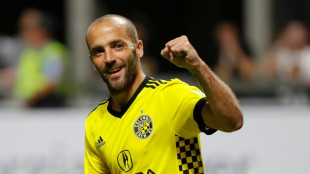 MLS coach axed for telling female ref 'It's a man's game'
 US refuses to give Sudan's de facto leader visa for UN
 Man City hold Bayern to start Women's Champions League, Arsenal win late
 Trump threatens Iran with 'hell' but reveals fresh talks
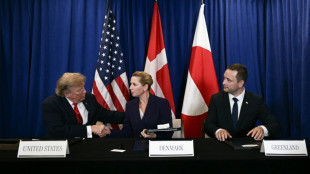 Trump signs security deal with Greenland, Denmark at UN
 Trump threatens Iran with 'hell' but unveils fresh talks

 Chile's Atacama Desert blossoms with life after El Nino rains

 Sri Lanka hands 220-year jail terms to 15 convicted of Easter bombings
 Typhoon Dujuan leaves 7 dead in Japan from landslides, flooding: media
 Ganna and Borghini lead Italy to mixed relay gold at cycling worlds
 Drug cocktail killed former child star Hayden Panettiere: coroner
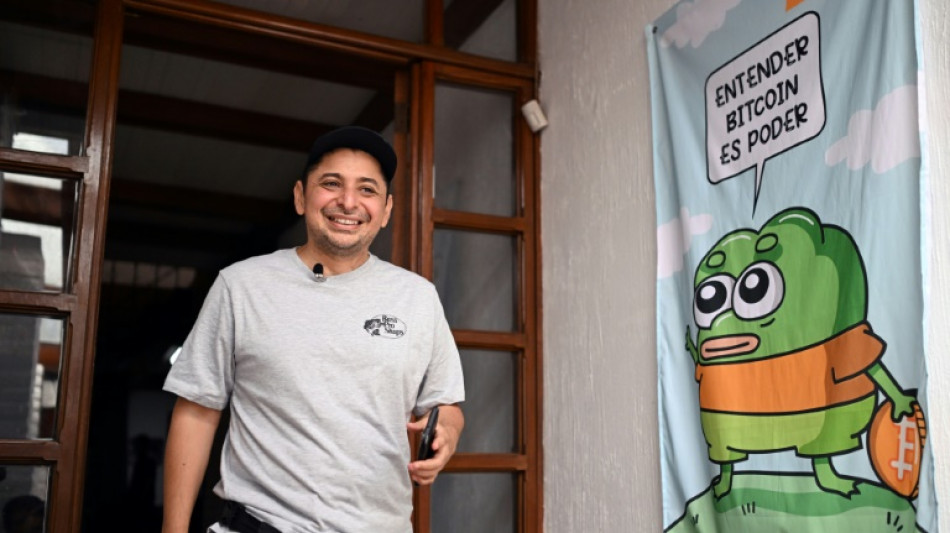
Napoleon Osorio is proud of being the first taxi driver to have accepted payment in bitcoin in the first country in the world to make the cryptocurrency legal tender: El Salvador.
He credits President Nayib Bukele's decision to bank on bitcoin three years ago with changing his life.
"Before I was unemployed... and now I have my own business," said the 39-year-old businessman, who uses an app to charge for rides in bitcoin and now runs his own car rental company.
Three years ago the leader of the Central American nation took a huge gamble when he put bitcoin into legal circulation in a bid to revitalize El Salvador's dollarized, remittance-reliant economy.
He invested hundreds of millions of dollars of taxpayer money in the cryptocurrency, despite warnings about volatility risks from global institutions.
Osorio credited the US founder of the NGO My First Bitcoin, John Dennehy, with encouraging him to accept payment in the cryptocurrency.
He now has 21 drivers working for his Bit-Driver brand and has made enough profit from the currency's rise to be able to buy four rental vehicles.
A divorced father of two teenagers, he also no longer struggles to pay for their education.
Launching bitcoin as legal tender on September 7, 2021, Bukele said he wanted to bring the 70 percent of Salvadorans who do not use banks into the financial system and promptly began plowing public money in cryptocurrencies.
To spur Salvadorans to use bitcoin he created the Chivo Wallet app for sending and receiving bitcoin free of charge and gave $30 to each new user.
His grand ambitions for bitcoin fell foul of the International Monetary Fund (IMF), which hesitated to grant El Salvador a $1.3 billion loan because of its official use of the cryptocurrency.
In August, however, the IMF announced a preliminary loan agreement with El Salvador, while saying it needed to mitigate "potential risks."
- Offered as 'option' -
While Osorio has grown relatively wealthy with bitcoin, a study by the University Institute for Public Opinion showed that 88 percent of Salvadorans had yet to use it.
"From the beginning... it was clear that it was clearly an ill-advised measure that the population rejected," the director of the institute, Laura Andrade, told AFP.
One-quarter of Salvadoran GDP comes from remittances sent home by family members, mostly from the United States.
But in 2023 only one percent of the transfers were made in cryptocurrencies.
In an interview with Time magazine in August, Bukele acknowledged that while "you can go to a McDonald's, a supermarket, or a hotel and pay with Bitcoin" it had "not had the widespread adoption we hoped for."
He added that "the positive aspect is that it is voluntary; we have never forced anyone to adopt it. We offered it as an option, and those who chose to use it have benefited from the rise in Bitcoin."
He also confirmed that he had around $400 million in bitcoin that is kept in a public "cold storage wallet" -- a way of storing bitcoin offline.
Bitcoin's fortunes have been mixed.
This week it was trading at around $52,000, down from a peak of $73,616 on March 13. In November 2022 it fell as low as $16,189.
Independent economist Cesar Villalona told AFP that Bukele himself had hobbled bitcoin's take-up by stripping it of the usual functions of a currency.
"Bukele... said: there will be no salary in bitcoin, there will be no pensions in bitcoin, there will be no savings in bitcoin and there will be no price in bitcoin, and in so doing took away the three functions of money," Villalona said.
Luis Contreras, an instructor at My First Bitcoin, told AFP many Salvadorans were simply afraid of making the switch.
The organization has taken cryptocurrencies into public schools, teaching around 35,000 students to use bitcoin so far.
Contreras says the hardest thing about training people on bitcoin "is their fear of new things, which creates a fear of technology" as well as "the fear of moving from a classic currency in the current economy to one that is totally digital and decentralized."
C.Kreuzer--VB