German car sales plunge in August as EV slump worsens / Photo: © AFP/File

 Saudi PIF Retains Top Sovereign Wealth Fund Brand Title for Third Year

 Phoenix Weekend Guide: Sangria Socials, Pie Markets, and New Brunch Spots

 Trent Perry’s Late Heroics Lift No. 7 UCLA Past Cal State Fullerton

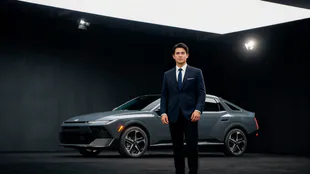 2027 Hyundai Elantra Review: Brutalist Design and Expanded Dimensions

 Malta Maritime Forum Study Reveals €1 Billion Economic Contribution Amid Growth Concerns

 China Condemns Chile-Belgium Joint Bid for High Seas Treaty Headquarters
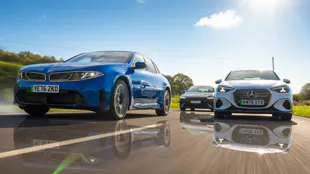
Sales of new cars plummeted in Germany in August, official data showed Wednesday, dragged down by a record fall in demand for electric vehicles in Europe's biggest auto market.
A total of 197,322 new cars were registered in Germany last month, the KBA federal transport authority said, a 27.8-percent drop on a year earlier.
The fall was led by a "historic decline" in sales of in battery-powered electric vehicles (EVs), the VDIK car importers' federation said, which plunged by 68.8 percent to just over 27,000 units.
The electric slump was partly down to a comparison effect with August 2023, when drivers rushed to buy EVs before certain government subsidies ran out.
But German EV sales have been on a downward path all year in the wake of the phaseout of purchase incentives, adding to the headwinds for carmakers as they face stricter climate targets in coming years and stiffer competition from abroad.
Electric mobility "has gone into reverse gear in Germany," said EY analyst Constantin Gall, adding that he saw little improvement ahead.
"Customers currently prefer combustion engines -- if they decide to buy a new car at all," he said, predicting that EV sales this year would be "significantly" lower than in 2022 and 2023.
The weakening EV demand has fuelled concerns about the wider car industry, with auto giant Volkswagen making the shock announcement this week that it was considering closing plants in Germany for the first time.
Volkswagen's Audi subsidiary in July already announced the possible closure of its Brussels plant for making electric vehicles.
German Labour Minister Hubertus Heil on Wednesday pledged new government incentives to purchase EVs.
R.Flueckiger--VB