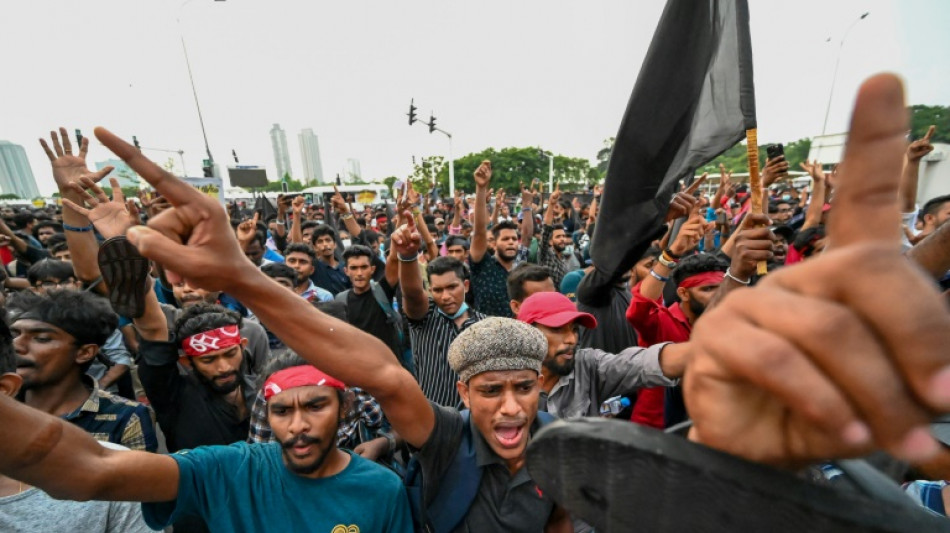
National strike in Sri Lanka to demand govt step down / Photo: © AFP

 Khan Welcomes Milburn’s Youth Employment Reforms Amid High NEET Rates

 Shinde Clarifies Torn Photo Controversy Amid Sonia Gandhi Book Protest

 BMW i3 vs Mercedes C-Class Electric vs Hyundai Ioniq 6: The Ultimate Premium EV Showdown

 BING X: 22,624.66 SNC have disappeared at BingX – how safe are tokens on BingX? Will BingX’s MiCAR licence be suspended?

 Urban Company Raises Rs 2,500 Crore via QIP to Expand InstaHelp
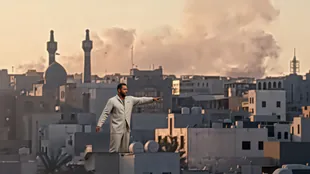
Sri Lanka's bus and train networks ground to a halt while offices and factories were empty Friday in a nationwide strike demanding the government's resignation over the island's worsening economic crisis.
Months of blackouts and acute shortages of food, fuel and pharmaceuticals have seen widespread suffering across the South Asian island nation.
Public anger has sparked sustained protests demanding the government step down over its mismanagement of the crisis, Sri Lanka's worst since independence in 1948.
Millions of workers stayed off the job on Friday in a strike organised by the country's trade union movement, with all but one scheduled train service cancelled.
Privately owned buses were off the roads while industrial workers demonstrated outside their factories and black flags were hung across the country in an expression of anger against the government.
"We can pinpoint the policy blunders of the president that led to this very sorry state of our economy," said trade union leader Ravi Kumudesh.
"He must go."
President Gotabaya Rajapaksa has insisted he will not step down despite escalating demonstrations across the island, including a protest that has been camped outside his seafront office for nearly a month.
Police fired tear gas on thousands of students attempting to storm the national parliament on Thursday evening after the assembly had adjourned for the day.
Sri Lanka's economic crisis took hold after the coronavirus pandemic hammered income from tourism and remittances.
Unable to pay for fuel imports, utilities have imposed daily blackouts to ration electricity, while long lines of people snake around service stations for petrol and kerosene.
Hospitals are short of vital medicines and the government has appealed to citizens abroad for donations.
Last month Sri Lanka announced it was defaulting on its $51 billion foreign debt, and finance minister Ali Sabry warned this week that the country will have to endure its unprecedented economic hardships for at least two more years.
J.Horn--BTB
