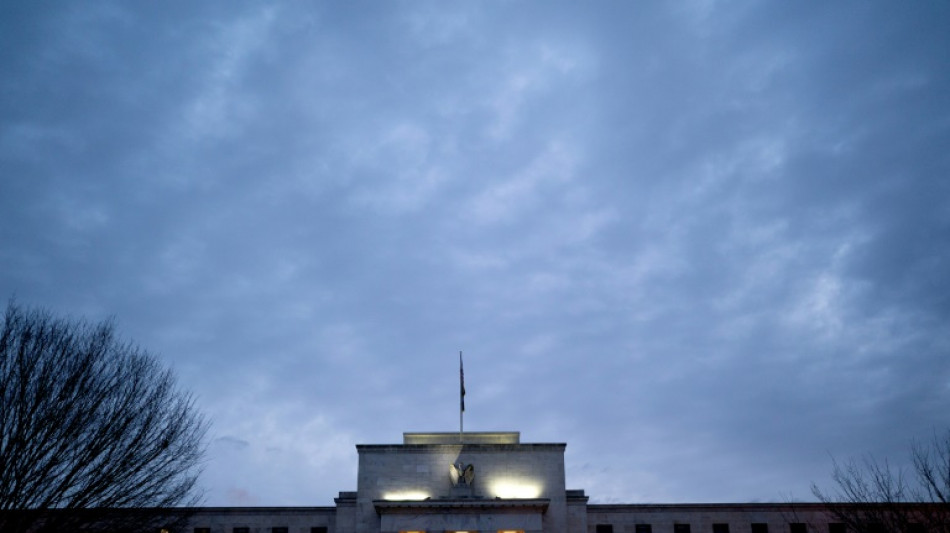
From recession to inflation, how the US Fed has dealt with crises / Photo: © AFP/File

 'New one' Klopp promises fresh approach as Germany reign begins
 Milne returns to New Zealand squad for India T20 series

 US-led Americas coalition backs sanctions against crime groups

 'Star Wars' fans and art lovers line up for new Lucas museum
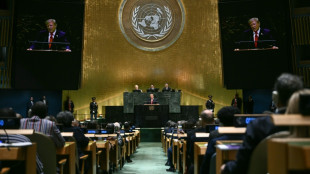 Trump renames AI 'super intelligence' as leaders jostle over dangers

 Oil prices retreat as markets welcome US-Iran talks
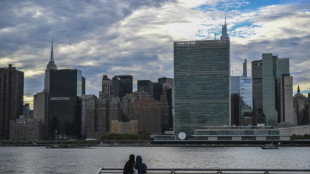 US refusing to give Sudan's de facto leader visa for UN: diplomatic sources, UN
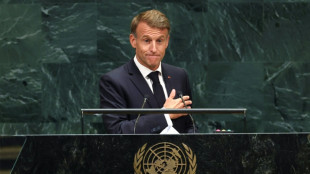 Macron urges world to choose UN over 'law of the jungle'
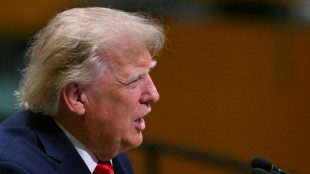
 All-rounder Jacks stars as England beat Sri Lanka in 1st ODI

 Man City peg back Bayern to start Women's Champions League

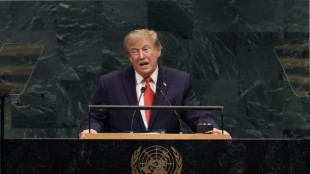 Trump beats 'America first' drum at UN as allies tread carefully

 Snedeker backs Spaun for Ryder Cup after Presidents snub

 French prosecutors probe secret filming of women with smart glasses

 Trump renames AI "super intelligence," rejects international oversight

 Trump rejects international regulation of AI

 How is the EU approaching record fuel prices?
 Sri Lanka's Colombage strikes on debut as England dismissed for 265 in first ODI
 Hurricane Polo strengthens to top category 5 off Mexico

 11 hurt as teen opens fire outside school in western Turkey

 UN chief says 'Big Oil' treats atmosphere as open sewer

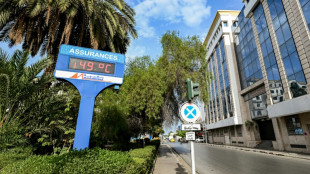 Tunisia says 2026 summer hottest on record

 England's Rashid out of Sri Lanka ODIs with hand injury

 Houthis accuse Saudi Arabia of deadly strikes as thousands flee

 Stocks climb as oil slides, AI buzz returns

 India cricketers win in style as Afghan savours 'special' Games silver

The US Federal Reserve has strongly signaled it will raise interest rates by half a percentage point this week to rein in soaring inflation, and likely continue hiking throughout this year.
The Fed has long played a decisive role when the world's largest economy faces tough times. Here are some of its major actions since the 2008 global financial crisis:
- The financial crisis and recovery -
November 2008: The Fed began injecting liquidity into financial markets following the collapse of Lehman Brothers investment bank. The central bank launched three such programs before ending asset purchases in June 2014.
December 2008: The central bank cut its lending rate to zero amid the crisis, where it remained until December 2015.
October 2017: The Fed began reducing the holdings on its balance sheet, which had ballooned from less than $900 billion before the crisis to $4.5 trillion.
- Trade war slows growth -
December 2018 to August 2019: Interest rates peaked in the range of 2.25 percent to 2.5 percent.
Fall 2019: The Fed cut rates several times to the 1.5-1.75 percent range as the trade war launched by then-president Donald Trump slowed growth. The Republican leader had criticized the bank for its high rates.
- Support during the pandemic -
March 3, 2020: The Fed cut its lending rate by 50 basis points to between one and 1.25 percent.
March 16, 2020: As Covid-19 spread across the country and the economy shut down, the Fed slashed its lending rate by 100 basis points to zero and resumed its asset purchase policy, which eventually reached $120 billion per month in Treasury bonds and mortgage-backed securities.
- Economy recovers, inflation arrives -
November 3, 2021: The Fed announced it will begin slowing the pace of its asset purchases, with a view towards ending them entirely by the following June, which would set the stage for rate hikes to fight inflation.
December 15, 2021: Recognizing that inflation will not be "transitory," as top officials had believed, the central bank accelerated the end of its asset purchases to March.
March 16, 2022: The central bank raised interest rates for the first time since 2018 to the 0.25-0.50 percent range.
April 6, 2022: The minutes from the Fed's March policy meeting are released, showing that many participants see one or more 50-basis point rate hikes as necessary if inflation pressure continues.
April 29, 2022: The Fed's preferred inflation gauge, the personal consumption expenditures price index, rises 6.6 percent year-on-year and 0.9 percent month-on-month in March, both faster paces than the month prior.
S.Keller--BTB