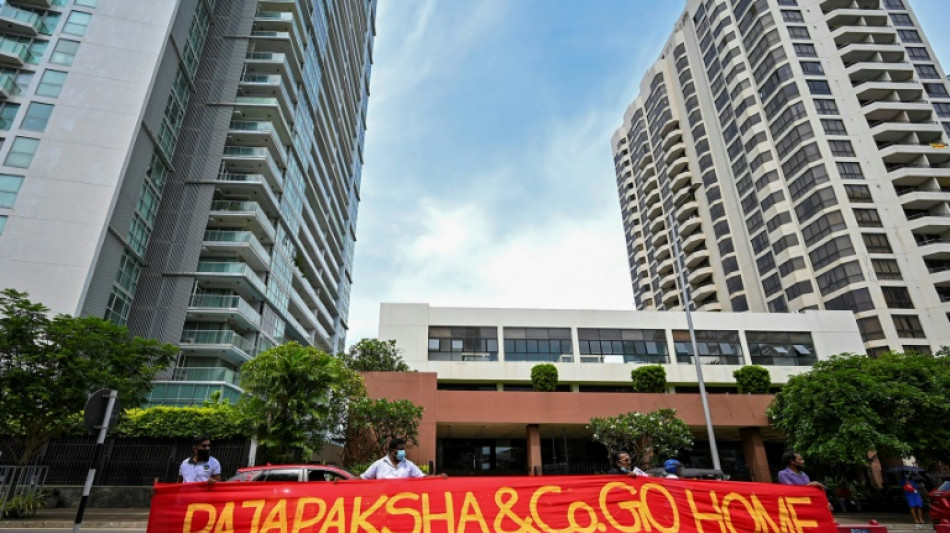
Cash-strapped Sri Lanka to sell 'golden' visas / Photo: © AFP

 Khan Welcomes Milburn’s Youth Employment Reforms Amid High NEET Rates

 Shinde Clarifies Torn Photo Controversy Amid Sonia Gandhi Book Protest

 BMW i3 vs Mercedes C-Class Electric vs Hyundai Ioniq 6: The Ultimate Premium EV Showdown

 BING X: 22,624.66 SNC have disappeared at BingX – how safe are tokens on BingX? Will BingX’s MiCAR licence be suspended?

 Urban Company Raises Rs 2,500 Crore via QIP to Expand InstaHelp
Cash-strapped Sri Lanka announced Tuesday it would sell long-term visas to attract desperately needed foreign currency after the island nation ran out of dollars to pay for food and fuel.
Foreigners who deposit a minimum of $100,000 locally will be granted permission to live and work in Sri Lanka for 10 years under the "Golden Paradise Visa Program," the government said.
The money should be locked in a local bank account for the duration of the stay, the government said in a statement.
"This scheme will help Sri Lanka at a time when we are facing the worst financial crisis since our independence," media minister Nalaka Godahewa told reporters in Colombo.
The government also approved the granting of five-year visas to any foreigner spending a minimum of $75,000 to buy an apartment on the island.
Acute shortages of food, fuel and medicines have triggered widespread protests, with thousands of people camped outside President Gotabaya Rajapaksa's seafront office to demand his resignation.
The government has signalled a willingness to consider constitutional reforms that could pare back the authority of the president, who gave himself sweeping powers to appoint and sack ministers, judges and public servants after his 2019 election.
His government also rolled back democratic reforms that gave statutory independence to the police, civil service, election commission and the judiciary.
Sri Lanka's economic collapse began to be felt after the coronavirus pandemic torpedoed vital revenue from tourism and remittances.
Utilities unable to pay for fuel imports have imposed lengthy daily blackouts to ration power, while long lines snake around service stations as people queue for petrol and kerosene.
Hospitals are short of vital medicines, the government has appealed to citizens abroad for donations and record inflation has added to everyday hardships.
Sri Lankan officials arrived in Washington last week to negotiate a bailout with the International Monetary Fund.
W.Lapointe--BTB
