
Billion youth risk hearing loss from headphones, venues: study / Photo: © AFP/File

 Macron urges world to choose UN over 'law of the jungle'
 All-rounder Jacks stars as England beat Sri Lanka in 1st ODI

 Man City peg back Bayern to start Women's Champions League

 Trump beats 'America first' drum at UN as allies tread carefully
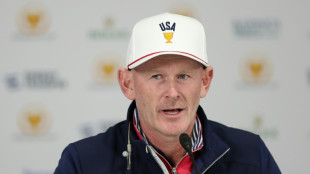 Snedeker backs Spaun for Ryder Cup after Presidents snub

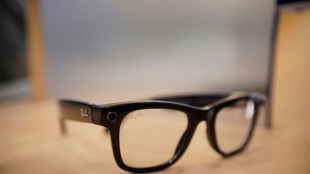 French prosecutors probe secret filming of women with smart glasses

 Trump renames AI "super intelligence," rejects international oversight

 Trump rejects international regulation of AI
 How is the EU approaching record fuel prices?

 Sri Lanka's Colombage strikes on debut as England dismissed for 265 in first ODI
 Hurricane Polo strengthens to top category 5 off Mexico

 11 hurt as teen opens fire outside school in western Turkey

 UN chief says 'Big Oil' treats atmosphere as open sewer

 Tunisia says 2026 summer hottest on record

 England's Rashid out of Sri Lanka ODIs with hand injury

 Houthis accuse Saudi Arabia of deadly strikes as thousands flee

 Stocks climb as oil slides, AI buzz returns

 India cricketers win in style as Afghan savours 'special' Games silver

 La Liga president hits out at Real Madrid refereeing 'conspiracy' claims

 MEXC Launches “Real Stocks, Real Friends” with Rewards for Bringing Friends to Wall Street

 Mbappe continues media push for Ballon d'Or recognition

 Stocks rise on AI buzz, oil prices cool

 India narrowly survive huge scare against minnows Japan

 Missing F-35 fighter parts 'not sensitive', says Australia minister

 Cambodia showcases scams crackdown with global conference
Around one billion young people worldwide could be at risk of hearing loss from listening to headphones or attending loud music venues, a large review of the available research estimated on Wednesday.
The World Health Organization-led study called on young people to be more careful about their listening habits, and urged governments and manufacturers to do more to protect future hearing.
The analysis published in the journal BMJ Global Health looked at data from 33 studies published in English, Spanish, French and Russian over the last two decades covering more than 19,000 participants aged between 12-34.
It found that 24 percent of the young people had unsafe listening practices while using headphones with devices such as smartphones.
And 48 percent were found to have been exposed to unsafe noise levels at entertainment venues such as concerts or nightclubs.
Combining these findings, the study estimated that between 670,000 to 1.35 billion young people could be at risk of hearing loss.
The wide range is partly because some young people are probably at risk from both factors, said Lauren Dillard, an audiologist at the Medical University of South Carolina and the study's first author.
Dillard told AFP the best way for people to lessen their risk of hearing loss from headphones is to turn down the volume and listen for shorter periods.
"Unfortunately, people do really like very loud music," she admitted.
- 'Big impact' over lifetime -
Headphone users should use settings. or apps on smartphones to monitor sound levels, Dillard advised.
In loud environments, noise-cancelling headphones can help avoid "cranking up your music to try to drown out all that background noise", she added.
Earplugs should be worn at loud events like concerts or nightclubs, she said, adding, "Maybe it's fun to be in the front by the speakers, but it's not a good idea for your long-term health.
"All of these behaviours, these exposures can compound over the course of your entire life, and then when you're 67 years old, it can have a pretty big impact," she said.
Dillard called on governments to comply with WHO guidelines on safe listening, including making sure venues monitor and limit music levels.
She also urged companies that make devices like phones to warn listeners when the volume is too loud, and to include parental locks to restrict children's exposure.
Limitations of the research included the varying methodologies across different studies and that none came from low-income countries.
Stephen Stansfeld, an expert on noise and health at Queen Mary University of London who was not involved in the research, said it showed "the potential for serious population-wide hearing loss is very large".
More than 430 million people -- over five percent of the world's population -- currently have disabling hearing loss, according to the WHO, which estimates the number will rise to 700 million by 2050.
T.Bondarenko--BTB