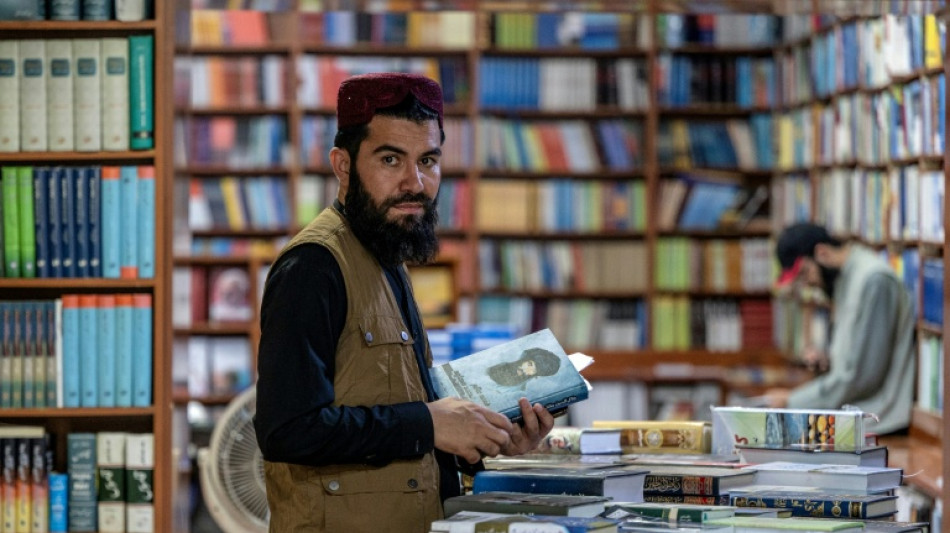
Taliban hang up Kalashnikovs to pen memoirs of Afghan war / Photo: © AFP

 Cambodia no 'safe haven' for cyberscams, PM says
 North Korea weightlifter sets three world records for Asian Games gold
 A Full Moon for Every Child: STARTRADER's STARCARES Brings Support to SOS Children's Village Ho Chi Minh City

 Meta leans into AI, smart glasses amid privacy pushback
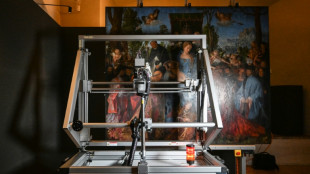 Battered Duerer masterpiece up for five-year revamp
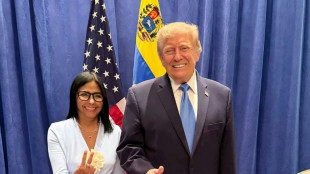 Trump met with Venezuela's interim leader at UN

 Malaysia furore after Najib wins conditional house arrest

 Italy hope for new dawn under Mancini

 Mongolian herders enlist new tech against harsher, drier climate
 Tata turmoil shines light on India succession woes
 World Cup 'not enough' as Spain begin next chapter
 Meta acts against 3.7 mn scammers' accounts with Singapore police help
 Australia PM says draft social media rules about taking back control

 Voting opens in Alaska's annual Fat Bear Week
 MLS coach axed for telling female ref 'It's a man's game'
 US refuses to give Sudan's de facto leader visa for UN
 Man City hold Bayern to start Women's Champions League, Arsenal win late
 Trump threatens Iran with 'hell' but reveals fresh talks
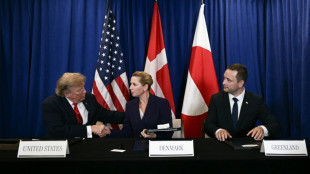 Trump signs security deal with Greenland, Denmark at UN
 Trump threatens Iran with 'hell' but unveils fresh talks
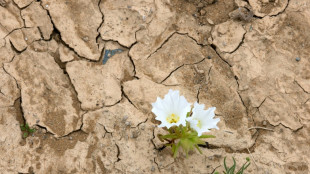 Chile's Atacama Desert blossoms with life after El Nino rains

 Sri Lanka hands 220-year jail terms to 15 convicted of Easter bombings
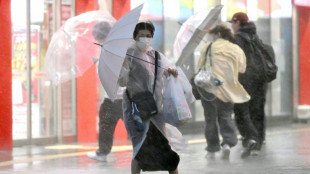 Typhoon Dujuan leaves 7 dead in Japan from landslides, flooding: media

 Ganna and Borghini lead Italy to mixed relay gold at cycling worlds

 Drug cocktail killed former child star Hayden Panettiere: coroner
Since trading the battlefield for Afghanistan's halls of power, some Taliban members have also swapped their weapons for pens to tell their version of the 20-year conflict with Western forces, who they accuse of distorting "reality".
A flood of books has been written, mostly from a Western perspective, about the war between the US-led forces that invaded Afghanistan in the wake of the September 11 attacks until the Taliban's return to power in 2021.
But in the years since, a proliferation of writings by Taliban figures -- praising their exploits and the achievements of the "Islamic Emirate" -- is now the reigning narrative in Afghanistan.
"No matter what foreigners have written... they have largely ignored the reality of what happened to us and why we were forced to fight," author Khalid Zadran told AFP.
A member of the Haqqani network -- long viewed as one of the most dangerous militant factions in Afghanistan -- he now serves as the spokesman for the capital's police force.
In his 600-page tome in Pashto published in April, he recounts US incursions in his home province of Khost, his childhood steeped in stories of soldiers' "atrocities", and his desire to join the Taliban in the name of his country's "freedom".
"I witnessed horrific stories every day -- mangled bodies on the roadside," he writes in "15 Minutes", a title inspired by a US drone strike he narrowly escaped.
Muhajer Farahi, now a deputy information and culture minister, penned his "Memories of Jihad: 20 Years in Occupation" to "state the facts", he said.
"America, contrary to its claims, has committed cruel and barbaric acts, destroyed our country with bombs, destroyed infrastructure, and has sown discord and cynicism between nations and tribes," he told AFP from his office in central Kabul.
Little attention is paid in either book to the thousands of civilians killed in Taliban attacks -- many of them suicide bombings that entrenched fear across the country for nearly two decades.
Farahi insists the Taliban "were cautious in saving civilians and innocent" lives, while criticising fellow Afghans who collaborated with the pro-Western police as a "stain" on the country.
Rights groups accuse the current Taliban authorities of widespread abuses -- particularly against women and girls, who the United Nations say are victims of what amounts to "gender apartheid".
In his book published in 2023, Farahi claims the Taliban attempted to negotiate -- in vain, he insists -- with the United States over the fate of Osama bin Laden, whose capture or death Washington demanded after his plane hijackers killed around 3,000 people in the September 11, 2001 attacks.
Bin Laden, the leader of Al-Qaeda, who had been based in Afghanistan, was killed by US forces in Pakistan in 2011.
- American 'bloodthirsty dragon' -
"It was clear... that the Americans had already planned the occupation of Afghanistan," writes Farahi in the English version of his book, which has been translated into five languages.
In the wake of the September 11 attacks, Afghans thought it would "have nothing to do with our country", he continues, but soon realised that Afghanistan would face "punishment".
For 20 years, the war pitted Taliban militants against a US-led coalition of 38 countries supporting the Afghan Republic and its forces.
Tens of thousands of Afghans died in the fighting and in Taliban attacks, as did nearly 6,000 foreign soldiers, including 2,400 Americans.
For Farahi, the war reflects the West's desire to "impose its culture and ideology on other nations".
His disjointed journal mixes battlefield memories with polemical chapters railing against the American "bloodthirsty dragon".
The book "reveals the truths that were not told before because the media, especially the Western media, presented a different picture of the war", he said.
According to him, the "mujahideen", or holy warriors, despite being far less equipped, were able to rely on their unity and God's aid to achieve victory.
- New front -
Only a few of the new wave of Taliban books have been autobiographies, which appeal to an audience seeking to understand the war "from the inside", according to Zadran.
His book, initially 2,000 copies in Pashto, sold out quickly and another 1,000 are in the works -- along with a Dari-language version, he said.
Many chapters mention Bowe Bergdahl, the US soldier held hostage for five years by the Haqqani network.
He recounts treks through the mountains along the Afghanistan-Pakistan border to move him between hideouts, efforts to convert him to Islam and conversations about his girlfriend back in the United States.
Both accounts end in 2021, before the transformation of the fighters who moved from remote mountain hideouts to the carpeted offices of the capital.
There, their battle has turned diplomatic: the Taliban are now fighting for international recognition of their government.
"The war is over now," Farahi said, "and we want good relations with everyone" -- even with the "bloodthirsty dragon".
E.Gasser--VB