'Diplomacy of fear': Russia pressures exiled critics / Photo: © AFP

 Dominican Republic calls for Haiti force to be strengthened
 Dolly Parton's nephew ordered to stay away from estate staff, properties

 Early exit for Philippine darling Eala at Singapore Open
 Hurricane Polo triggers huge waves in coastal Mexican city
 What happens if the US bans diesel exports
 Macklemore hits back with 'Free Palestine Tour' after Sheeran split
 Met Opera to give New Yorkers free tickets in affordability push
 Top ECB official to resign to take up IMF role
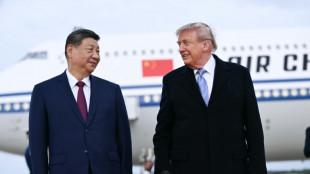
 Xi and Trump call for peace in lavish White House state visit
 Five up-and-coming players looking to make mark in Nations League

 CNN, MS NOW, Politico request court hearing after White House access denied
 Eviction of pensioner puts Spain housing crisis in spotlight
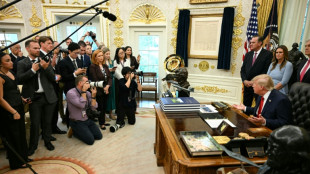 CNN, MS NOW, Politico say reporters still barred from White House
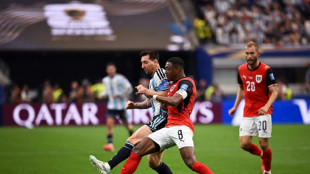 Udinese sign ex-Real Madrid defender Alaba on free transfer
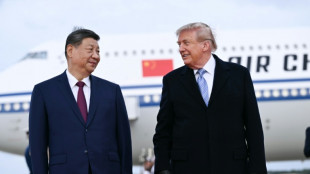 Trump welcomes Xi to Washington with lavish praise
 Kane relishing chance to become England's most-capped player
 Average EU diesel price hits record 2.23 euros a litre: AFP analysis

 Whitetip Investments Marks 10 Years of Regulation, Transparency & Responsible Trading

 Pakistan blocks roads around capital ahead of planned pro-Khan protest
 Stocks fall, oil prices rise as global bonds under pressure
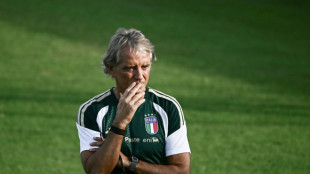 Mancini's Italy facing battle to 'win back' dispirited fans
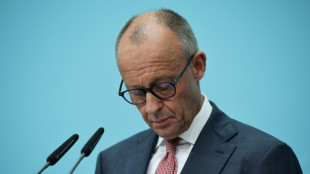 German think tanks urge Merz to stick with reforms after election defeats
 Alcaraz wants end to late-night matches at Grand Slams
 EU battle over how to define 'Made in Europe'
 Eight killed in wave of Russian strikes on Ukraine
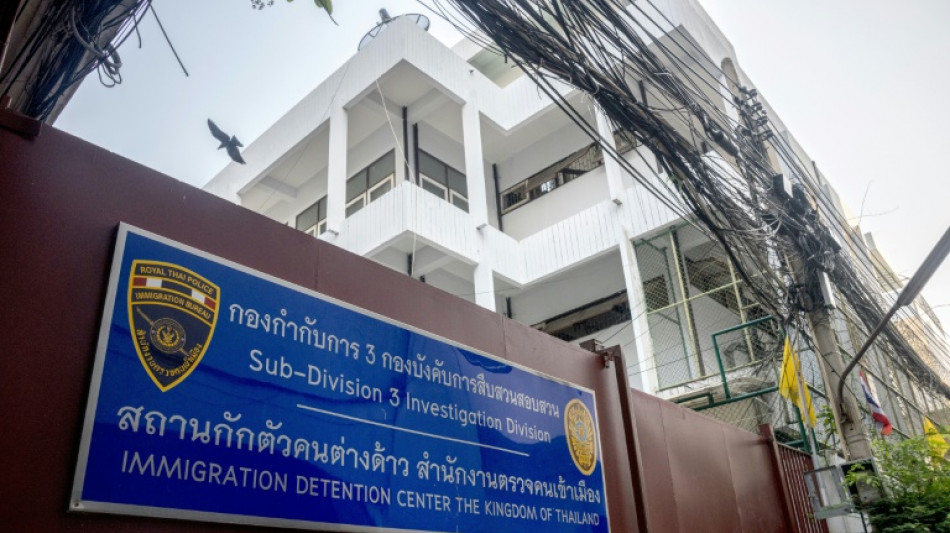
The holding in detention by Thai authorities of an anti-war Russian rock band has exposed how criticising President Vladimir Putin can be fraught with danger even outside the country.
The seven members of the band Bi-2 had been detained by Thailand on immigration charges, raising fears they risked deportation to Russia and even a show trial, although all its members had by Thursday been allowed to leave for Israel after a week-long ordeal.
Last year, its lead singer Egor Bortnik, who is better known by his stage name Lyova, on social media accused Putin of "destroying" the country, adding: "I will not return to Russia."
The band was detained on January 24 after it played a gig on Phuket, a southern island popular with Russian holidaymakers.
The band members were accused of performing without the proper papers and transferred to an immigration detention centre in Bangkok.
Bortnik had already left Thailand to fly to Israel earlier this week, with the rest of the band following to Tel-Aviv on Thursday.
Human Rights Watch said that the rockers risked being victims of "transnational repression", with the Russian authorities pressuring Bangkok to send them home.
- 'Very strong pressure' -
After Putin sent troops to Ukraine nearly two years ago, hundreds of thousands of Russians including many top cultural figures left the country.
Tatiana Stanovaya, founder of the political analysis firm R.Politik, said Moscow authorities wanted to demonstrate that an anti-Kremlin stance of Russian cultural figures will have serious consequences.
"In the eyes of the Russian state, people who have left are not only traitors and enemies. They create risks for political stability inside Russia," Stanovaya told AFP. "This is a matter of national security."
Self-exiled opposition politician Dmitry Gudkov, who has spearheaded efforts to win Bi-2's release, said Russian diplomats had put pressure on Thai authorities, demanding that the rockers be deported to Russia.
"The pressure has been very strong, we're surprised," Gudkov told AFP. He suggested that Moscow was concerned that anti-war performers had thousands of fans inside Russia and were seen as a potential threat, especially in the run-up to a March presidential election expected to extend Putin's grip on power.
Gudkov said US, German, Israeli and Australian diplomats had been involved in the talks with the Thai government for their release, although this could not immediately be confirmed.
Nationalist Russian lawmaker Andrei Lugovoi, wanted in Britain for the murder of former Russian agent Alexander Litvinenko, said on social media that the musicians would go to prison if they got deported to Russia and should "get ready" to "tap dance in front of fellow inmates."
- 'Manic persecution' -
The pressure on the band is far from an isolated case.
Popular comedian Maxim Galkin said last week he had been denied entry into Indonesia for a planned concert in the island of Bali. Galkin, the husband of Russian pop legend Alla Pugacheva, said on Instagram that Indonesian authorities had shown him a copy of a Russian government letter.
Last month Galkin's shows in Thailand were scrapped, also under pressure from Russia, he said, denouncing Moscow's "manic persecution of dissenting artists abroad."
Rapper Alisher Morgenshtern has said he had been denied entry into the United Arab Emirates where he set up base after leaving Russia under pressure from authorities. His lawyer said no official reason was given.
The Bi-2 singer, Galkin and Morgenshtern have all been declared "foreign agents" in Russia.
VPI Event, which organised the Bi-2 gigs in Thailand, said that a "campaign" against Russian performers in the Asian country had begun in December "under pressure" from Russian diplomats. The organisers said performances of another stand-up comedian, Ruslan Bely, were also cancelled.
- 'Omnipresent force' -
Russian foreign ministry spokeswoman Maria Zakharova said the difficulties of the anti-Kremlin figures abroad were not surprising, calling them "people who sponsor terrorism."
Moscow has made numerous efforts to muzzle self-exiled critics, including issuing Interpol notices against them. In December, renowned Russian writer Boris Akunin was declared a "terrorist" over his criticism of the war.
Pranksters with ties to Russian security services regularly target anti-war figures, including most recently acclaimed Russian novelist Lyudmila Ulitskaya.
On Wednesday, lower house of parliament approved a bill allowing authorities to confiscate property of anyone convicted of spreading criticism of the Russian army.
Lawyer Sergei Zhorin, who represents the interests of rapper Morgenshtern and other performers, told AFP that authorities were testing out new ways to find "pressure points" against critics abroad including limiting their freedom of movement and sources of income.
Political observer Sergei Medvedev said he expected Russia to continue to hunt down critics with a view to bringing them back and prosecuting in Russia, calling the strategy "a diplomacy of fear."
"Russia needs to look like a toxic omnipresent force that can get to its opponents all over the world."
R.Flueckiger--VB