
Trial begins for suspected mastermind of Malta journalist killing / Photo: © AFP/File

 French Senate weighs bill to make protesters pay for unrest damage
 'A very sad day': Arteta despair as Arsenal stunned by Fleetwood
 Charles tackles thorny legacy of slavery on Caribbean trip

 Former Grand Slam winner Wawrinka ends tennis career

 Brazil's Flavio Bolsonaro flees to US after election loss
 'Faerie' nights: 'ACOTAR' fans finally get their book
 American woman convicted of getting military training from Islamic State
 Israel opposition holds narrow edge over Netanyahu in first projections

 Floriani hits maiden goal as Lazio go top
 Trump set to drastically loosen oil and gas sector's methane rules

 Storied Paris department store seeks bankruptcy protection
 Xhaka, Embolo can return to Swiss squad after fake Covid docs affair
 Allegri suspended for two Serie A games after red card
 Flight data, satellite images reveal growing US role at Ecuador base
 McInnes feels 'guilt' ahead of Hearts return with Rangers
 Brazil's Lula turns 81, vows to work '24 hours a day'
 Boeing releases cautious growth plan as shares fall sharply
 Exiled Russian dissident Navalnaya warns dictators becoming 'more cunning'
 Bayern 'risk' reaps huge reward for Ballon d'Or winner Kane
 Record turnout as Israeli voters deliver verdict on Netanyahu
 Iraola says Isak 'feels the trust' after Liverpool scoring streak

 French media protest manhandling of journalists at far-right party rally

 EU seeks deportation powers for beefed up border agency
 Two charged with UK security offences over airbase plot: police
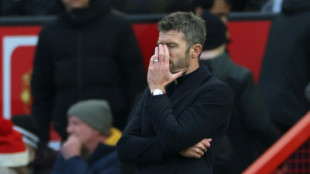
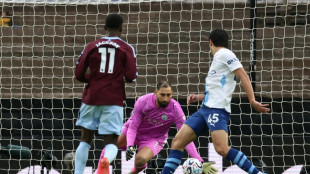 Maresca defends Donnarumma, Guehi after Man City defeat
A Maltese tycoon went on trial on Wednesday accused of ordering the murder of a hard-hitting investigative journalist that rocked the island nation, brought down a government and drew global condemnation.
Suspect Yorgen Fenech is charged with orchestrating the assassination of Daphne Caruana Galizia, 53, a prominent public figure and vocal critic who was killed by a bomb placed in her car near her home.
"Nine years after my mother's murder, the man accused of commissioning it stands trial," the journalist's son, Paul Caruana Galizia, wrote on social media.
A lawyer for the family, Jason Azzopardi, confirmed to AFP that the trial had begun and that Fenech was in court.
Caruana Galizia had exposed corruption at the highest level in the country, shining a spotlight on murky links between Malta's business and political elites.
The death of the popular journalist and blogger described as a "one-woman WikiLeaks" sparked outrage around the world and put Malta, the European Union's smallest member state, in the spotlight over its apparent rule-of-law failings.
Her killing also led to a political crisis, and the resignation of then-premier Joseph Muscat in January 2020 after widespread anger and mass protests over his perceived efforts to protect friends and allies from the investigation.
A two-year public inquiry published in July 2021 concluded that the state should "shoulder responsibility" for the murder due to the "atmosphere of impunity" the government had created.
Fenech, a tycoon whose business interests spanned the energy and tourism sectors, was arrested on his yacht in 2019 as he tried to sail out of Malta after a middleman in the murder was offered a pardon to identify those involved.
Five people have been convicted so far in relation to the murder for supplying the explosives and carrying out the killing.
- Justice served? -
Press freedom watchdog Reporters Without Borders, which had a representative in court, wrote on social media that the trial "revives hope that justice will finally be served for a crime perpetrated nearly nine years ago".
Last September, a court rejected a bid by Fenech to void the statements he gave to police directly after his 2019 arrest. Fenech had argued he had made them under the influence of cocaine.
According to the prosecutors' indictment of Fenech cited by the Times of Malta, the businessman had ordered the journalist to be killed because she was on the brink of publishing a compromising article about his uncle.
In June 2025, Robert Agius and Jamie Vella were convicted of supplying the bomb that killed Caruana Galizia and sentenced to life in prison.
The three men who carried out the murder -- brothers George and Alfred Degiorgio together with Vince Muscat -- are serving prison sentences after being found guilty of their role.
The 437-page report written by a panel of three judges in 2021 found that the state had shirked its duty to protect Caruana Galizia and subjected her to personal attacks and verbal abuse from politicians.
The atmosphere created a "favourable climate" for her assassination, and there was "convincing evidence" that her killers knew they would be protected by "persons in the highest state positions".
G.Schmid--VB