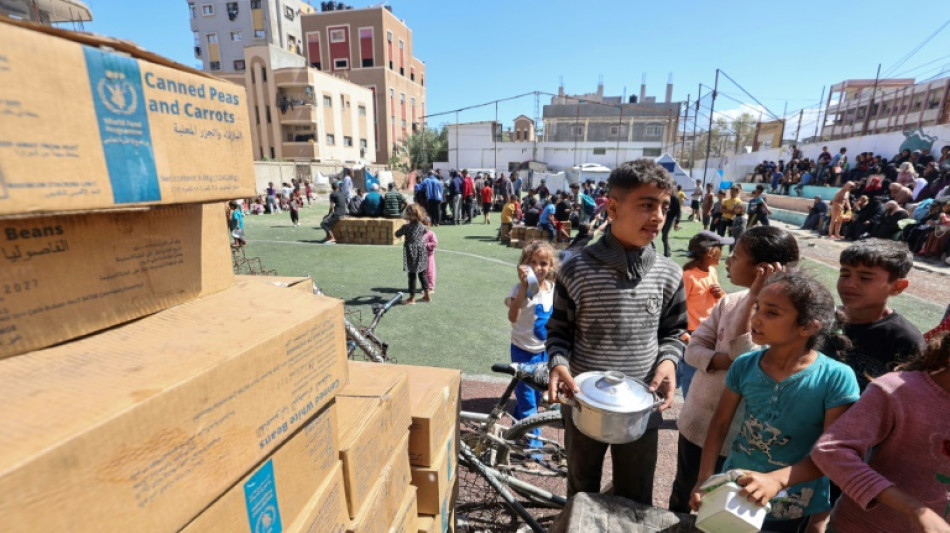
UN food, refugee agencies warn of huge cuts after funding losses / Photo: © AFP

 Iran president says time to end war while in position of strength

 Antonelli fastest in sole Dutch GP practice session

 2,500 dead and rising -- UN says DR Congo Ebola outbreak 'growing exponentially'

 England all out for 409, lead Pakistan by 238 runs in 1st Test

 Premier League returns with Arsenal eyeing title dynasty

 Bayern knew about Musiala's condition 'a long time ago' says Kompany
 Ex-Pakistan PM Khan taken back to jail after hospital checks

 Real Madrid star players are compatible: Mourinho

 Drovix Launches In-House Multi-Asset Liquidity and Execution Stack for Sub-Millisecond Fills, Tighter Spreads

 'So bad it's good': rough animated film becomes surprise Chinese hit
 'I'll adapt': First pregnant candidate navigates French presidential race
 Hong Kong convicts Tiananmen vigil activists of inciting subversion

 The Hong Kong Tiananmen vigil activists convicted in national security trial

 Eel-powered Japan whizz-kid, 11, chases Asian Games history
 Asian markets extend rally as traders assess US Treasuries pledge

 Barcelona enter new era as Flick targets La Liga hat-trick

 Pogacar favourite for Vuelta with Grand Tour treble in sight

 Bangladesh coach Simmons wary of Australia backlash in second Test

 Hong Kong Tiananmen activists to receive national security verdict
 Who are the candidates vying to lead the UN?

 Swiatek into Cincinnati semis after Rybakina injury

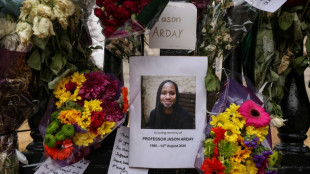 University suspends academic behind Jason Arday plagiarism charges

 Key European leaders demand Israel halt West Bank settlement project

 McIlroy bounces back to share BMW Championship lead

 Cobolli fueled by candy in sweet defeat of Paul

The UN's food and refugee agencies have warned of dire cuts to their services as funding plummets, especially from key donor the United States under President Donald Trump.
The UN World Food Programme (WFP) will cut staff by 25 to 30 percent as contributions to the global aid agency have dropped, according to an internal email seen Monday by AFP.
The head of the UN refugee agency (UNHCR) warned Monday that reduced contributions could force a one-third reduction in its activities, despite worldwide conflicts that continue to strain its resources.
Trump has moved to slash US contributions to the UN and its agencies since returning to the White House, causing funding chaos as Washington was previously the largest contributor to many budgets.
So far his administration has scrapped 83 percent of humanitarian programs funded by the US Agency for International Development (USAID).
The agency had an annual budget of $42.8 billion, representing 42 percent of total global humanitarian aid, including major contributions to UN agencies.
Other countries have also cut funding to UN agencies this year, but the United States' contributions dwarfed most others in the humanitarian aid sector.
- 'Less with less' -
The WFP is the world's largest humanitarian organization, charged with preventing famine and serious hunger globally, playing a vital role in getting food to crises like the war in Sudan and disaster zones.
"WFP must reduce its worldwide workforce by 25-30 percent, which could impact up to 6,000 roles," the email said.
"This structural shift -- necessary to preserve resources in support of vital operations -- will impact all geographies, divisions and levels in the organization."
Before the cuts, WFP, which was founded in 1961, had 23,000 staff and a presence in 120 countries, according to its website.
"The scale of the workforce reductions needed is difficult news to say and even more difficult to hear. Yet it is the necessary and responsible decision given our tenuous funding outlook," said the memo.
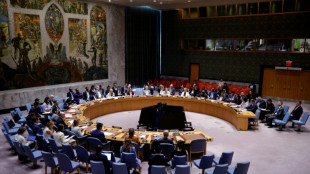
At UNHCR, High Commissioner Filippo Grandi told the Security Council that funding cuts "may conclude with the retrenchment of my organization to up to one-third of its capacity."
The United States has traditionally been UNHCR's top donor, making up more than 40 percent of total contributions received, amounting to approximately $2 billion per year, he noted.
But for 2025, the UNHCR has so far received around $350 million from Washington and is trying to convince the US administration to release an additional $700 million, which has been frozen.
"I cannot emphasize more how dramatic the situation is in this very moment," Grandi said.
"If this trend continues, we will not be able to do more with less. But as I have said many times, we will do less with less. We are already doing less with less," he added.
UNHCR employs more than 18,000 staff across 136 countries, with approximately 90 percent of those employees working in the field, according to its website.
Many UN agencies and departments are already feeling the impact of drastic cuts in donor contributions, forcing them to scale back vital operations for millions of people around the world.
The United States has defended its aid cuts, calling on other countries to do more.
"Every member state needs to better share the burden of humanitarian response to conflict," said acting US ambassador to the UN Dorothy Shea. "The United States has disproportionately shouldered this burden for decades."
F.Wagner--VB