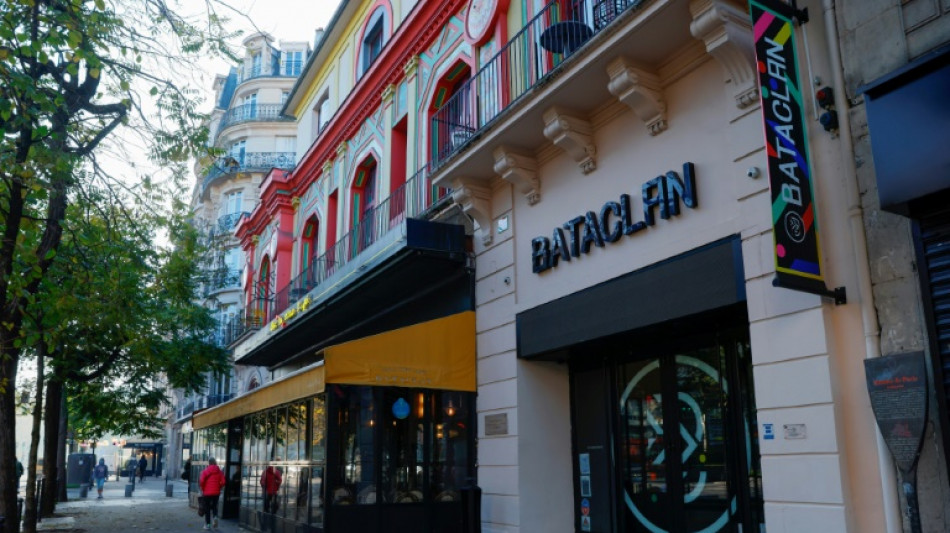
Prosecutors request life sentence for main Paris attack suspect / Photo: © AFP

 Hong Kong's Robert Wun: the bold Millennial conquering Haute Couture
 IMF cuts 2026 world growth forecast, flags risks from new Mideast fighting
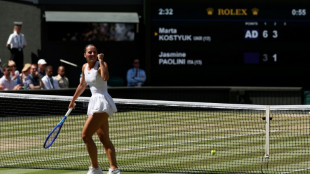
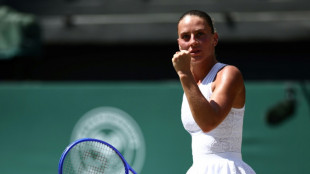 Kostyuk sets up Wimbledon semi-final against Noskova
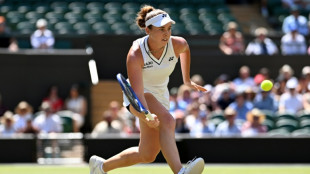 Noskova reaches first Wimbledon semi-final
 Air Canada taps new CEO to replace chief who couldn't speak French
 Istanbul mayor ejected from court in corruption case
 Landslide kills eight at refugee school in Bangladesh
 Cleary leads NSW past Queensland to regain State of Origin crown
 MEXC Adds Nine Ondo Tokenized Stock and ETF Trading Pairs Tied to AI Infrastructure Demand
 Oil prices surge, stocks slide as Trump says Iran ceasefire over

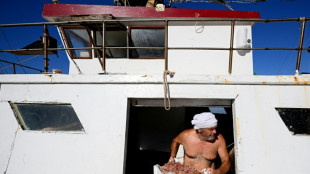 Sunken wrecks, hot seas threaten fishermen on Italian isle

 Rescuers search for survivors of China storms as super typhoon nears
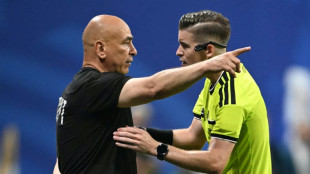 Egypt file complaint against referee after controversial World Cup exit

 Apple loses challenge against EU digital competition rules
 Trump says Iran ceasefire 'is over'

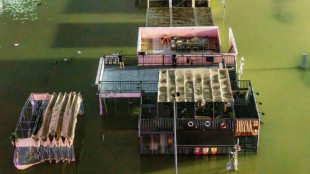 Rescuers search for missing in China storms after 100,000 flee

 OpenAI to launch new model after US freeze
 UK museums at 'sharp end' of climate change challenge
 In Mauritania, Imraguen people's desert-ocean paradise under threat
 Iraq's holy cities host funeral processions for Khamenei
 Rescuers search for missing in China storms after 100,000 evacuated
 Ex-Australia cricketer MacGill loses appeal against cocaine conviction

 Oil prices extend rally as US strikes on Iran revive geopolitical fears
 Iraq's holy cities to host funeral processions for Khamenei
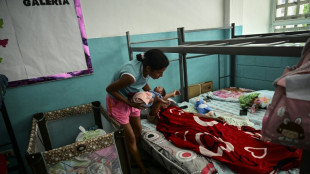 In Venezuela's quake ruins, a baby is born

Prosecutors in the Paris attacks trial on Friday demanded a life sentence without parole for the main suspect in the November 2015 jihadist strike that killed 130 in France's worst-ever terror assault.
Salah Abdeslam, a 32-year-old Frenchman, is the only surviving member of the attackers who opened fire in the packed Bataclan concert hall and on cafe terraces in adjacent streets, and detonated suicide bombs at the Stade de France sports arena.
The request that Abdeslam should not have the possibility of parole is extremely rare in France, where prisoners serving life sentences are often released after 20 to 25 years.
Also on trial are 19 others accused of various degrees of assistance to the killers, from providing logistical support to planning the attacks or supplying weapons.
Prosecutors also requested standard life sentences for suspected Islamic State members, Swedish citizen Osama Krayem and Tunisian Sofien Ayari, and one for Mohamed Abrini, a Belgian accused of having provided weapons and logistical support.
Abrini, known as the "man in the hat" from video footage, would go on to take part in suicide bombings that struck Brussels in 2016, though he decided not to detonate his vest at the last minute.
Abdeslam has also claimed during the trial that he had a last-minute change of heart, which failed to convince the prosecution.
The length of the trial, its emotional charge and the number of plaintiffs -- 2,500 -- have made it the most impactful legal proceedings in French history.
The remainder of the trial will now be dedicated to closing statements by defence lawyers.
The verdict is due on June 29.
- 'Fury without limit' -
"Those who committed these heinous crimes are nothing more than lowlife terrorists and criminals," one prosecutor, Nicolas Le Bris, told the court on Friday at the end of three days of closing statements by the prosecution.
"The bloodthirsty fury of these criminals was without limit," he said.
They wanted "a massacre and carnage" when they attacked the Bataclan "and sadly they succeeded," he said. "A balmy November evening turned into a nightmare."
On Wednesday, prosecutor Camille Hennetier had told the court that what would be remembered about the trial were the names of the victims being read out in court and the testimony of the survivors, but also "the cruelty of the terrorists who fired again and again and took pleasure in killing".
Even after years of painstaking investigation, "much remains in the dark" about how the attacks were planned and carried out, she said.
"Most of the accused know. They know everything and have never spoken, and probably will never answer," she said.
Abdeslam, who was arrested in Belgium after five months on the run, kept silent during the police investigation but started talking during the trial, explaining how he gave up plans to blow himself up, and apologised to victims.
But his tearful appeal for forgiveness had little impact on the prosecutors, who believe that his explosive belt simply malfunctioned.
Prosecutors also said that Abdeslam's claim that he was recruited by a jihadist cell only a few days before the attacks was "illogical".
A verdict of life in prison without parole has been handed down only four times since it was implemented in 1994, and all but rules out a later reduction of the sentence, and only after at least 30 years behind bars.
Prosecutors also requested standard life sentences for Mohamed Bakkali, accused of being the logistics coordinator of the attacks, as well as for five suspected Islamic State members believed to have been killed in Syria or Iraq.
For the remaining suspects, sentences of five to 16 years were requested.
G.Schulte--BTB