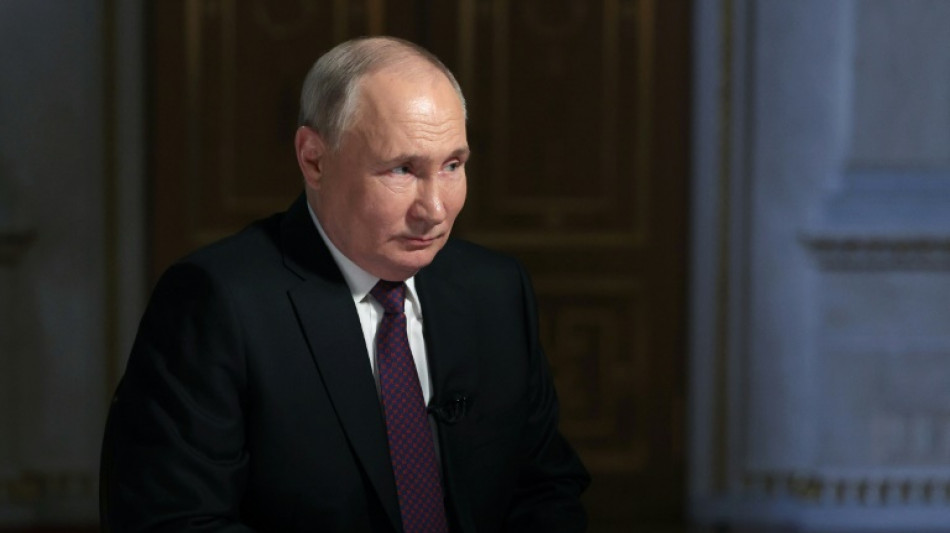
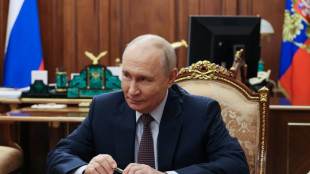
Putin: The autocrat eyeing a new world order / Photo: © POOL/AFP

 US judge orders Saudi engineer held in OpenAI case
 Maddison sparkles as Spurs end Premier League winless run
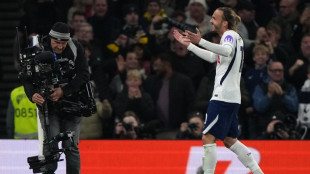 Maddison sparkles on Spurs return as win drought ends
 Trump says ready to meet with Putin and Xi in China
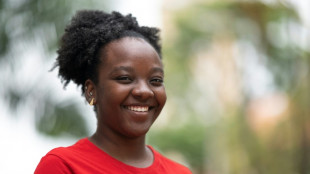 The young lawmaker making Brazil's Lula 'king of the selfie'
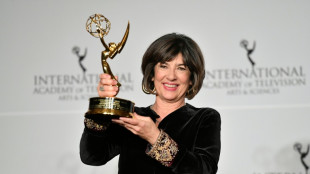 Christiane Amanpour to leave CNN after 43 years
 Ronaldo handed 30-day suspension after walking out on Portugal
 Netanyahu basks in Trump endorsement week before election
 Saudi airport closure disrupts life in kingdom's capital
 Ramaphosa tells South Africa to prepare for loss of US-Africa trade deal
 France presses resale platforms to remove 'stolen' goods after unrest
 Yamal v PSG: Ballon d'Or backdrop to Champions League showdown
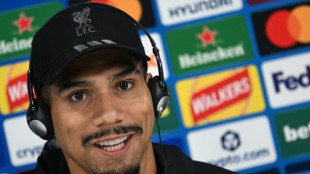 Araujo says too soon to talk about permanent Liverpool move
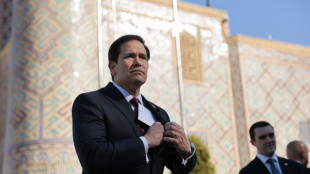 US wants to be 'strong partner' for central Asia: Rubio
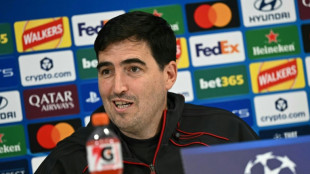 'Special' to face friend Perez in Champions League, says Liverpool's Iraola
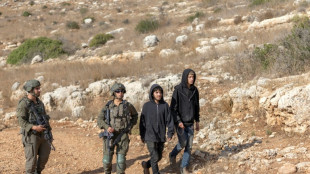
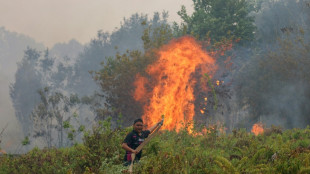 Monitor says Indonesia fires have burned nearly two million hectares
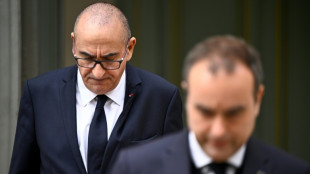 French PM says could declare state of emergency over unrest 'if needed'
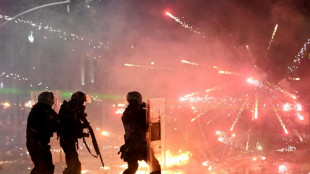 Albanian PM warns of 'red line' after days of unrest
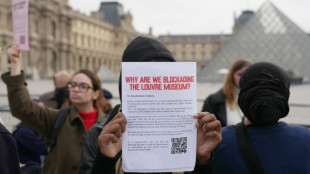
 Putin, Xi and Trump could meet at APEC summit: Kremlin
 Microsoft exits data centre deal in blow to UK AI ambitions
 European stocks retreat as France violence spreads
 North Korea warns 'grave situation' prevailing along border
 Raya proud of Arsenal's 'incredible' reaction after third straight win

 Indonesia fires have burned nearly two million hectares: monitor
 Australian lawmaker 'critically' hurt in attack, officials say
Russian President Vladimir Putin has over the past two decades built up a system of domestic repression and confrontation with the West that is almost certain to guarantee a fifth term in office on Sunday.
Ever since the previously little-known KGB agent became president on New Year's Eve 1999, he has consolidated power by bringing oligarchs to heel, banning any real opposition and turning Russia into an authoritarian state.
His most prolific critic, Alexei Navalny, died in an Arctic prison colony last month in mysterious circumstances. Other opponents are serving lengthy jail sentences or have fled into exile.
Abroad, 71-year-old Putin has spearheaded efforts to challenge the dominance of the West.
His grip on power tightened further after he invaded Ukraine in February 2022, with public dissent against the war effectively silenced through court proceedings and imprisonment.
His rule risks being defined by the war in Ukraine, which has cost many thousands of lives and sparked unprecedented Western sanctions that have created major tensions in the Russian economy.
There were large anti-war protests in the days after he ordered troops into Ukraine in the early hours of February 24, 2022. They were quickly quashed.
- Quashed mutiny -
But there were more demonstrations months later when the government was forced to announce a partial mobilisation, after Russia failed to topple Ukraine's government in the opening offensive of the war.
The most serious challenge to Putin's long rule came in June 2023, when Yevgeny Prigozhin, a long-time ally and head of the Wagner mercenary group, announced a mutiny to unseat Russia's military leadership.
The bloody uprising threatened to tarnish Putin's self-created image of a strategic genius -- uncomfortable for a ruler who likes to compare himself to Peter the Great, the reform-minded emperor who expanded Russia's borders.
But in recent months, Putin has demonstrated his lasting power.
Domestic opposition has been largely silent, the economy is growing again, the Russian military has gained ground in east Ukraine in recent weeks, and he has resumed foreign travel.
Putin started out as an intelligence officer before embarking on a political career in the mayor's office in his native Saint Petersburg in 1991, as the Soviet Union was falling apart.
Boris Yeltsin, Russia's first president, appointed him as head of the FSB security service in 1998 and as prime minister the following year.
- Early reform hopes -
It was a carefully planned strategy, culminating in his nomination as acting president when Yeltsin resigned.
Putin won his first presidential election in March 2000 and a second term in 2004.
His rise initially spurred hopes that Russia would reform and become a predictable, democratic partner to the West on the global stage.
Putin gained popularity by promising stability to a country still reeling from a decade of humiliation and economic chaos following the Soviet collapse.
After two stints as president, Putin switched back to being prime minister in 2008 to circumvent a constitutional ban on holding more than two consecutive terms as head of state.
But he kept the reins of power firmly in hand and returned to the presidency in 2012 despite pro-democracy protests in Moscow, winning a fourth term in 2018.
He jailed his loudest rival, Alexei Navalny, in 2021 and kept him in prison for three years until his death under opaque circumstances in February 2024.
The clampdown on opposition movements ramped up after the launch of hostilities in Ukraine.
Thousands of Russians were handed long prison sentences using newly reinforced censorship laws.
- 'New Iron Curtain' -
The West imposed sanctions that effectively cut off Russia from the global banking system, adding to the Russian leadership's siege mentality.
In October 2023, Putin accused Europe of creating a "new Iron Curtain" and said Russia was building "a new world" that would not be based on Western hegemony.
He has also increasingly pushed a domestic agenda of nationalism and social conservatism, including most recently laws against Russia's LGBTQ community.
Persona non grata among Western leaders after the invasion of Ukraine, the Russian strongman has sought to pivot east, wooing India and China with increased energy exports.
After shrinking in 2022, the Russian economy began to grow again last year despite high inflation, a weakening of the ruble and a drastic increase in defence spending.
The war failed in its initial aims to topple Ukraine's government and Russia was forced into a series of humiliating setbacks by the determined defence of the much smaller Ukrainian army.
- Growing confidence -
But, with the conflict now in its third year, Putin has been speaking with increased confidence about Russia's prospects on the battlefield -- a topic he avoided for many months.
Russian forces have successfully held off a much-hyped Ukrainian counter-offensive and there are increasing doubts about whether Kyiv can hold the front lines in the face of delays to much-needed Western military supplies.
Wrangling in Washington in recent months has held up $60 billion in military aid for Ukraine, prompting alarmed warnings from the US administration.
In February, Russian forces captured the former Ukrainian stronghold of Avdiivka, handing Moscow its first major territorial gain in more than a year of fighting for the town.
The Kremlin chief struck a defiant tone in his state of the nation address almost two weeks later, vowing his troops would fight until the end.
"They will not back down, will not fail and will not betray," Putin said.
R.Kloeti--VB