Disasters loom over South Asia with forecast of a hotter, wetter monsoon / Photo: © AFP

 Twitch sparks gamers' wrath with Amazon AI sharing deal

 Blaze forces families to abandon Turkish tour boat

 'If you can, move!' say Rome's viral dancing seniors

 Zambia voters weigh Hichilema's economic record

 SBCFX to Showcase Trading Innovation, Regional Growth Strategy, and Future Vision at iFX EXPO Asia 2026

 Hodgkinson sets up Werro showdown after Euro 800m drama

 'How many will die?': the mysterious ailment killing Kenyan elephants

 Arteta coy over Lewis-Skelly's Arsenal future after 'emotional' celebration

 Romania shuts down nuclear plant as Danube drops

 German steel giant Thyssenkrupp weighs options as Rhine drops

 US ambassador denounces settler siege as Israel dispatches troops

 Hasan takes 6-55 as Bangladesh claim opening day of Australia Test

 Taiwan says AI agents used in cyberattacks targeting island

 Japan protests Putin's first visit to disputed islands

 Kiss wants fit-again Wallabies playmaker Gordon to 'open up' Japan

 British eccentrics push humble garden shed to new heights

 Zambia votes with president's economic record on the line

 Germany's dry rivers spark battle on engineering vs restoration

 Senators demand inquiry into conditions aboard USS Abraham Lincoln

 All Blacks' Proctor out of South Africa series, Mo'unga called up

 Bangladesh quick Hasan reduces Australia to 74-4 at lunch

 Seoul tech leads Asian stock gains as traders cheer US inflation

 Farage and Count Binface go head-to-head in snap UK poll

 Afghan students divided over smartphone ban at universities

 Japan go back to school for second Australia Test

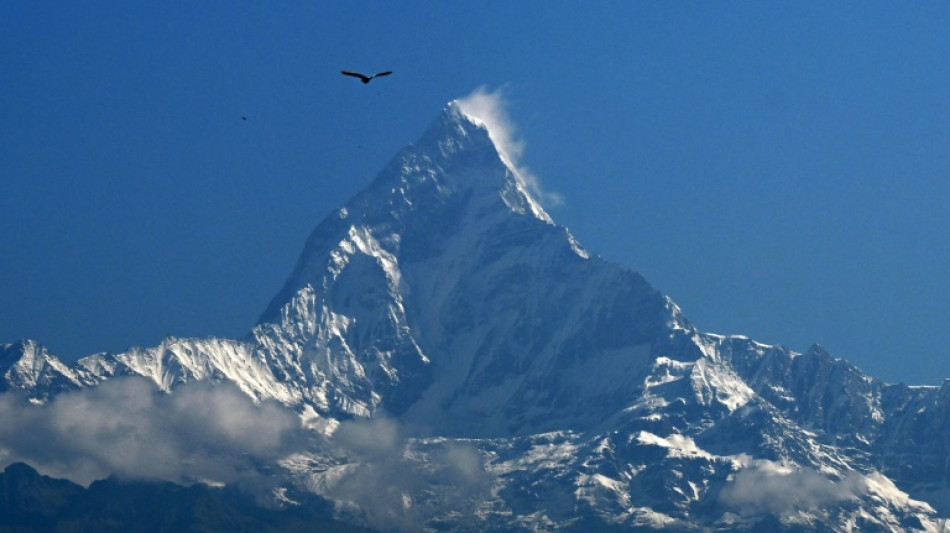
Communities across Asia's Himalayan Hindu Kush region face heightened disaster risks this monsoon season with temperatures and rainfall expected to exceed normal levels, experts warned on Thursday.
Temperatures are expected to be up to two degrees Celsius hotter than average across the region, with forecasts for above-average rains, according to a monsoon outlook released by Kathmandu-based International Centre for Integrated Mountain Development (ICIMOD) on Wednesday.
"Rising temperatures and more extreme rain raise the risk of water-induced disasters such as floods, landslides, and debris flows, and have longer-term impacts on glaciers, snow reserves, and permafrost," Arun Bhakta Shrestha, a senior adviser at ICIMOD, said in a statement.
The summer monsoon, which brings South Asia 70-80 percent of its annual rainfall, is vital for agriculture and therefore for the livelihoods of millions of farmers and for food security in a region that is home to around two billion people.
However, it also brings destruction through landslides and floods every year. Melting glaciers add to the volume of water, while unregulated construction in flood-prone areas exacerbates the damage.
"What we have seen over the years are also cascading disasters where, for example, heavy rainfall can lead to landslides, and landslides can actually block rivers. We need to be aware about such possibilities," Saswata Sanyal, manager of ICIMOD's Disaster Risk Reduction work, told AFP.
Last year's monsoon season brought devastating landslides and floods across South Asia and killed hundreds of people, including more than 300 in Nepal.
This year, Nepal has set up a monsoon response command post, led by its National Disaster Risk Reduction and Management Authority.
"We are coordinating to stay prepared and to share data and alerts up to the local level for early response. Our security forces are on standby for rescue efforts," said agency spokesman Ram Bahadur KC.
Weather-related disasters are common during the monsoon season from June to September but experts say climate change, coupled with urbanisation, is increasing their frequency and severity.
The UN's World Meteorological Organization said last year that increasingly intense floods and droughts are a "distress signal" of what is to come as climate change makes the planet's water cycle ever more unpredictable.
A.Ruegg--VB