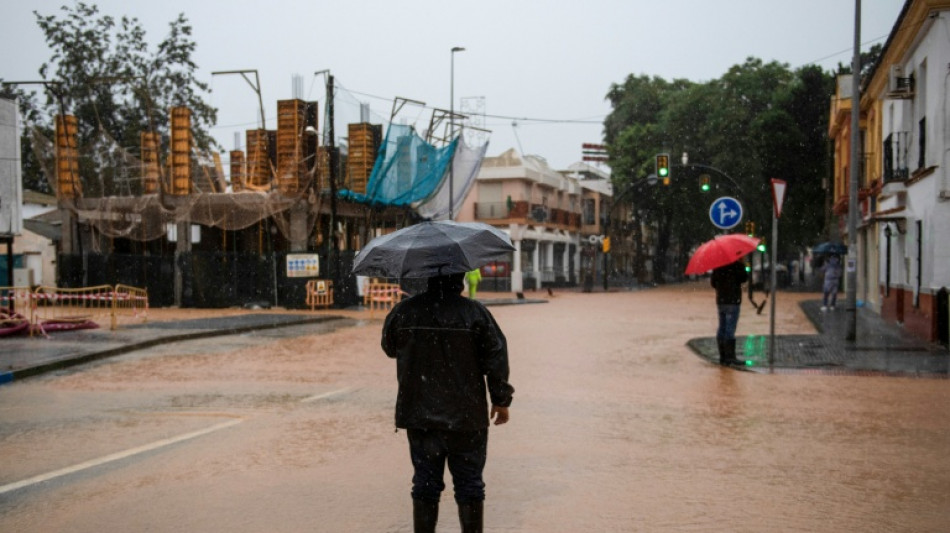
Spain flood epicentre braces for fresh deluge / Photo: © AFP

 I miss the adrenaline, but it's not my moment - Bolt

 Championship leader Antonelli to 'keep pushing' for title

 Yamal double helps Barca edge Levante thriller

 Brighton run rampant against 10-man Coventry

 Late Mbappe goal sends Lille top of Ligue 1

 Five-star Brighton crush 10-man Coventry

 Team Europe beat United States to reclaim Solheim Cup

 US House Speaker warns curbing AI too sharply could leave China ahead

 張國榮70歲誕辰音樂會西九舉行 唐鶴德錄音致意

 Iran's economic ties to Dubai hard to break despite war

 iPhone 18預購後出現可疑扣款 四間銀行調查未授權交易
 《浪花男女》辦特別謝票場 馮志強談票房與導演客串拍攝

 Former captain De Villiers hails 'fantastic' Springboks

 Galaxy Tab S12系列效果圖曝光 Ultra擬配雙鏡頭及瀏海螢幕

 فليك يضم حمزة عبد الكريم إلى قائمة برشلونة بعد أربعة أهداف في الإعداد

 بزشكيان يؤكد رفض الاستسلام وسلطات إيران تعلن مقتل شخص في استهداف سفينة

 Altman tells Fortune OpenAI will not go public in 2026

 China, Russia, India seek economic cooperation at BRICS
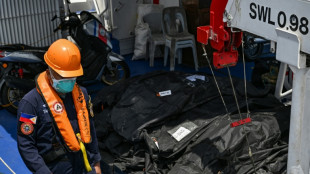
 ستاندرد آند بورز تثبت تصنيف السعودية عند A+
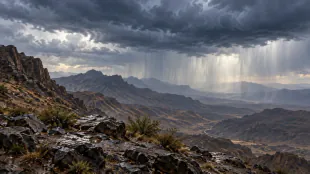 الأرصاد السعودية تتوقع سيولاً وأمطاراً رعدية في خمس مناطق

 One dead, 102 rescued from stricken ferry off Indonesia's Java
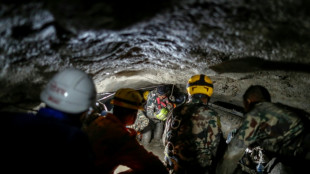
 Garcia keeps WBC welterweight title by stopping Benn
 Lights out in Laos as electricity exports surge

 'This is the test': All eyes on US Fed to tackle high inflation

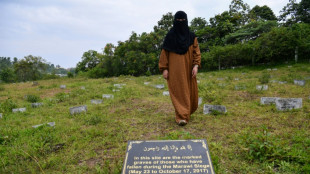 Scars of Marawi siege linger as Philippines poll nears

Spain's eastern Valencia region braced for more torrential rain on Wednesday, two weeks after the country's worst floods in generations killed more than 200 people there.
Other parts of Spain also on high alert evacuated thousands of residents and closed schools as another storm lashed the European nation.
National weather agency AEMET issued the highest red alert lasting until midday (1100 GMT) on Thursday for the Valencia coast, with up to 180 millimetres of rain predicted to fall in 12 hours.
Regional authorities in Valencia extended university and school closures, shut day centres and sports facilities and restricted road travel in the worst-affected municipalities to "essential vehicles".
Officials there have warned sewage systems already clogged with mud could struggle to cope with a fresh storm.
Many people in the destroyed town of Paiporta had barricaded their homes with planks or sandbags to try to protect them from fresh flooding, an AFP journalist saw.
A highly anticipated session of the local parliament where under-fire regional leader Carlos Mazon was due to explain his handling of the disaster was postponed from Thursday to Friday, a spokesman for the institution told AFP.
The October 29 catastrophe killed 223 people, almost all in the Valencia region, and caused enormous material damage expected to soar to tens of billions of euros.
AEMET also announced a red alert for part of the southern Andalusia region, where emergency services said more than 1,000 homes and almost 3,000 residents had been evacuated in and around the city of Malaga.
Footage on social media showed Malaga's normally bustling commercial centre deserted and cars ploughing through rising water that had submerged roads.
- Malaga 'paralysed' -
Ester Espinosa, a 47-year-old resident of Malaga's Campanillas suburb, told AFP residents were erecting a barricade to fend off the water.
"It hasn't been exaggerated at all," added Ida Maria Ledesma Martin, a 39-year-old social educator who said police had warned residents that morning.
School and university closures in Andalusia were extended in Malaga and other municipalities under severe weather warnings for rain on Thursday.
The high-speed lines connecting Madrid to Malaga and Valencia will be suspended until at least midday on Thursday due to the weather alerts, national railway company Renfe said.
Malaga airport cancelled one flight and diverted five others, operator Aena wrote on X, while the local metro was shut.
The start of the Billie Jean King Cup tennis finals between Spain and Poland in the city was also postponed.
"Malaga is paralysed... if there is intense rain in a short period of time, there are no capacities or infrastructure that can cope," said the Andalusia region's leader Juanma Moreno.
The storms hitting Spain have resulted from cold air moving over the warm waters of the Mediterranean Sea, which allows the hotter, moist air at the surface to rise quickly and produce intense rain clouds.
Scientists warn human-induced climate change is increasing the ferocity, frequency and length of such extreme weather events.
W.Huber--VB